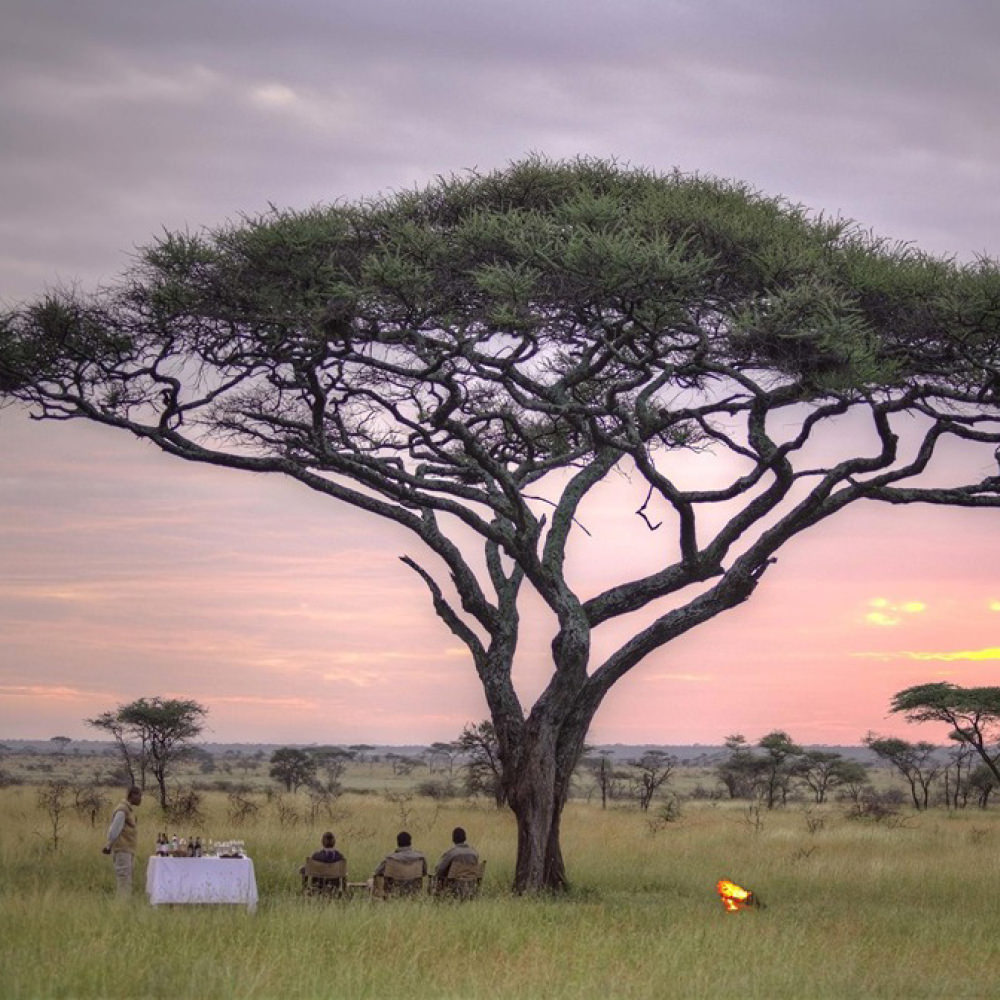


This is a country of extraordinary variety: vast savannahs, great wildlife migrations, vibrant cultures and colourful Indian Ocean islands all form part of the landscape. Whether sailing the waters of Zanzibar and Pemba or walking the plains alongside the great herds, our hope is that your own journey through Tanzania will spark the same spirit of exploration that continues to draw us back.

 Shifting Seasons
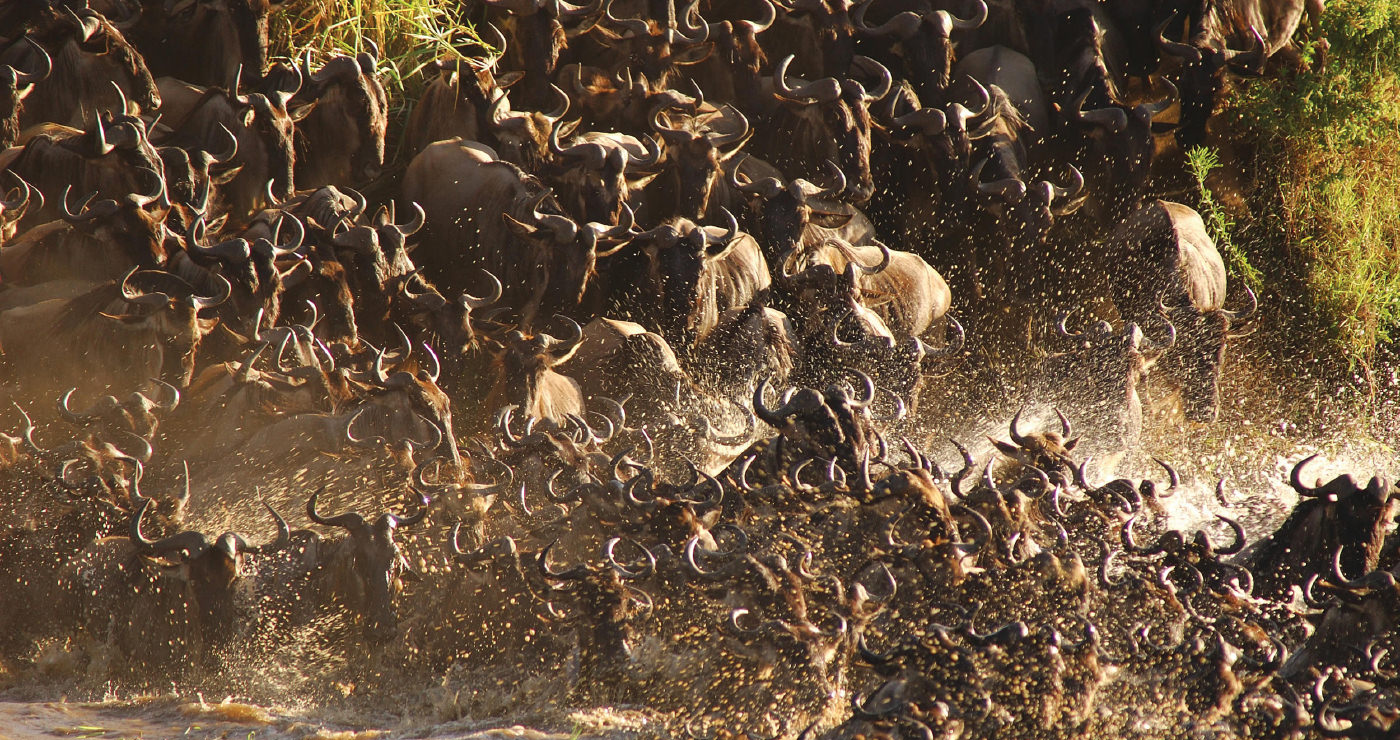
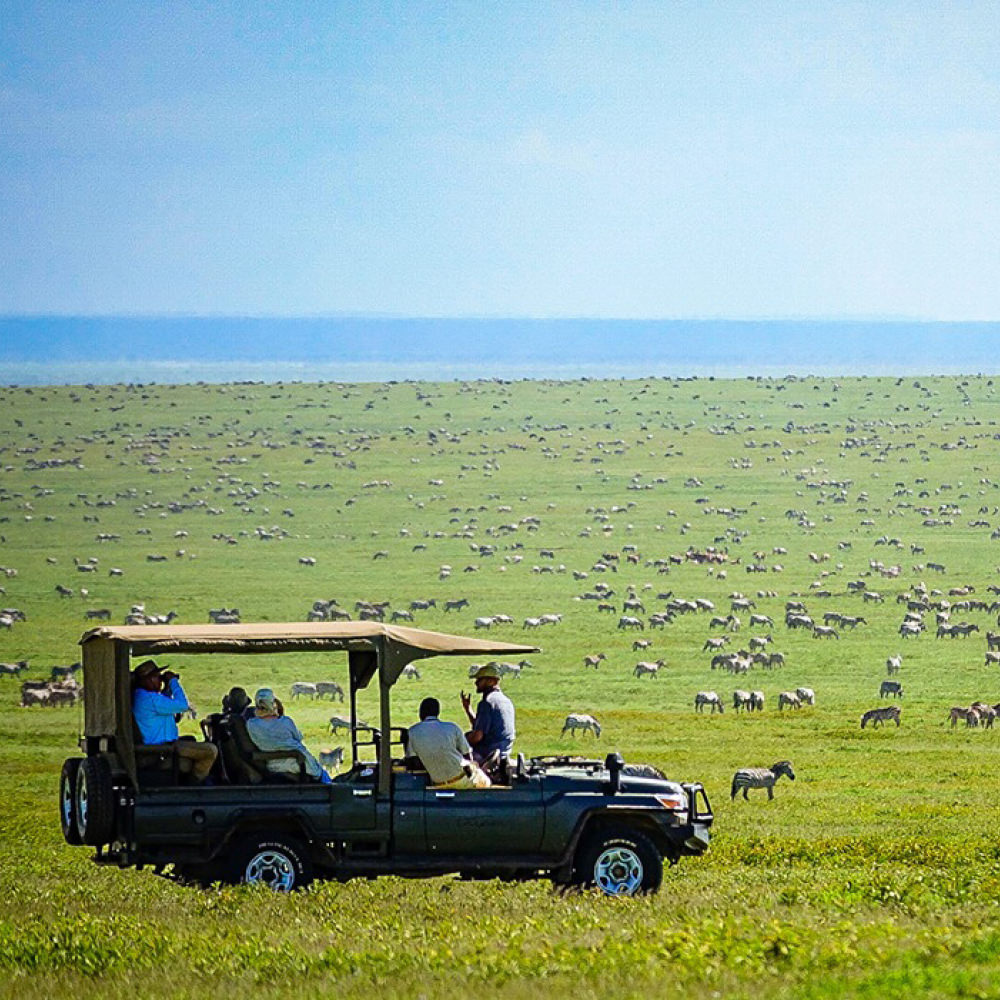
Tanzania is very much a seasonal destination, and the rhythm of the year shapes experiences across the country. Rainfall patterns and wildlife movements influence what you will encounter at various times of year, and each region is affected in its own way. Certain periods of the year coincide with specific stages of the Great Migration across the Serengeti ecosystem.
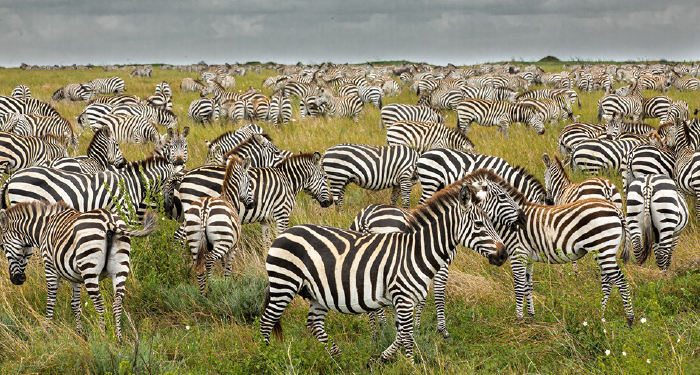
 Enduring Icons
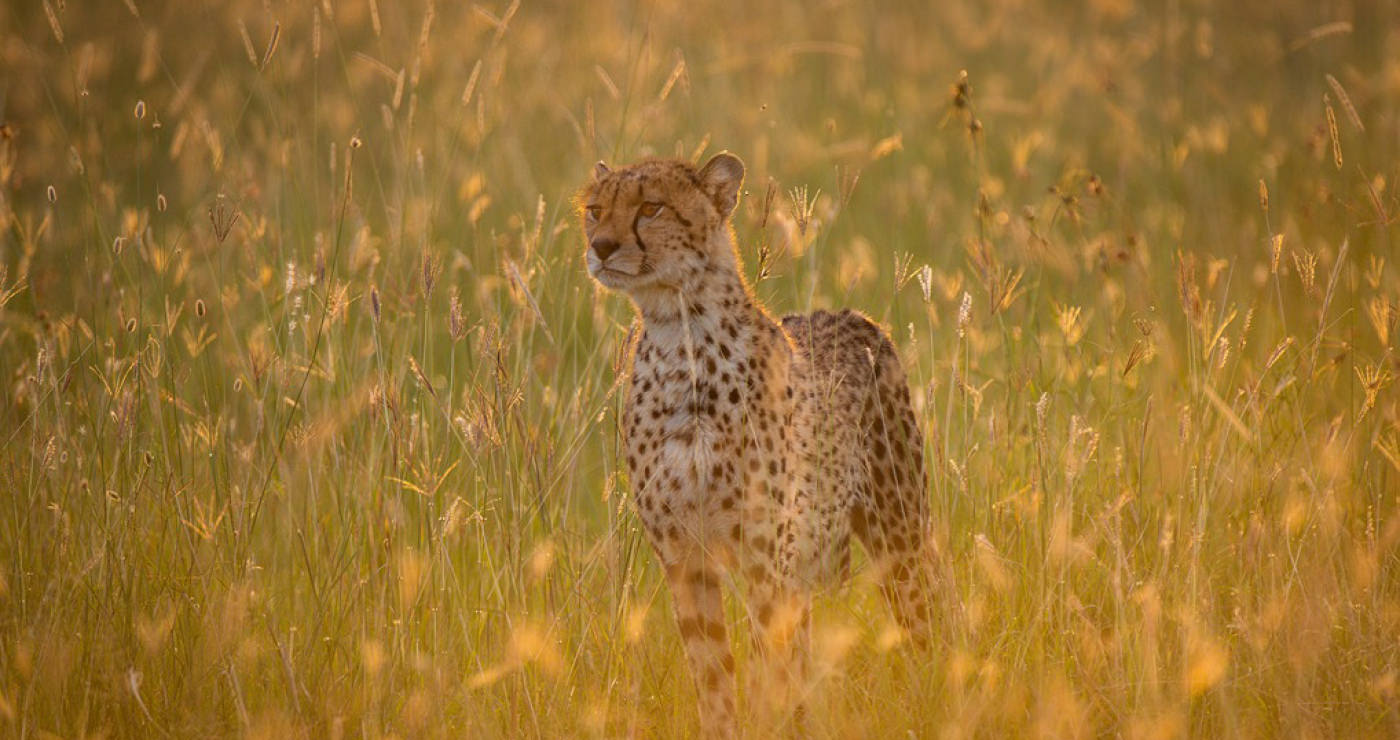
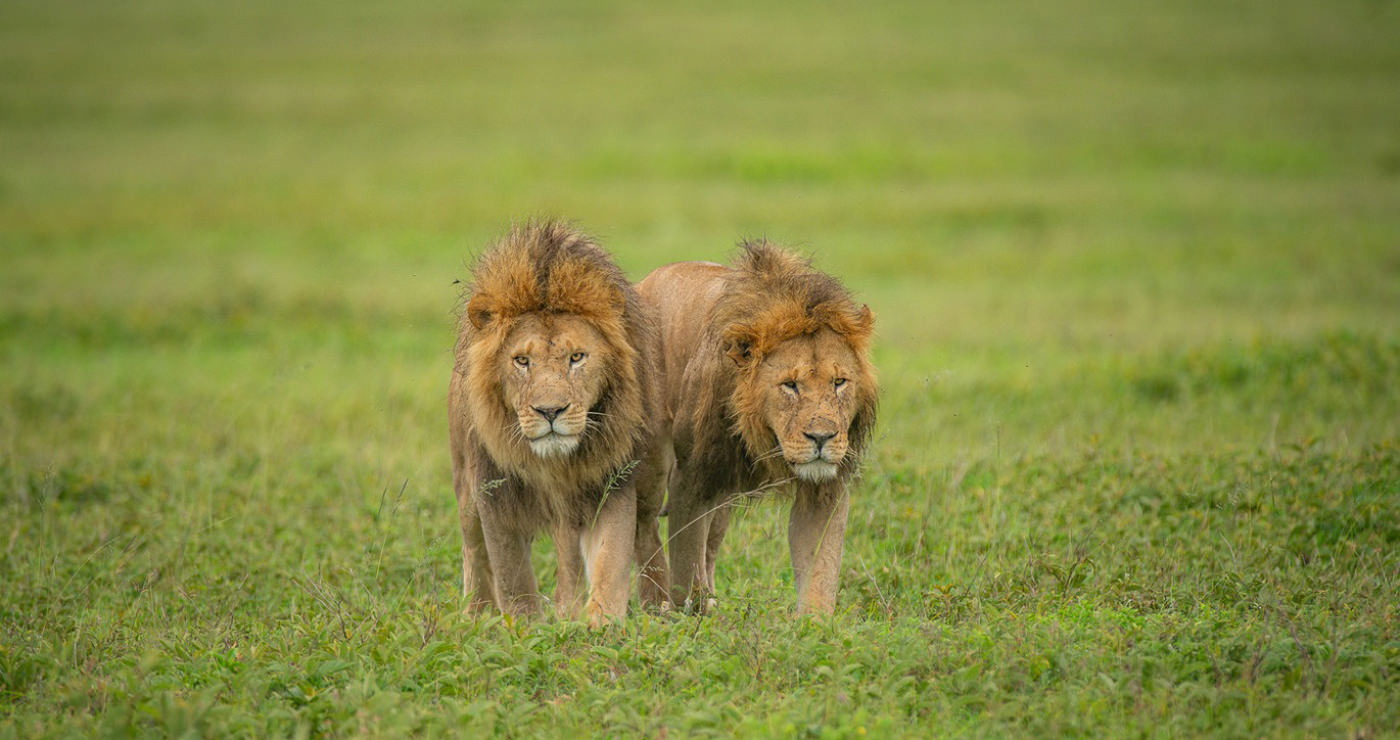
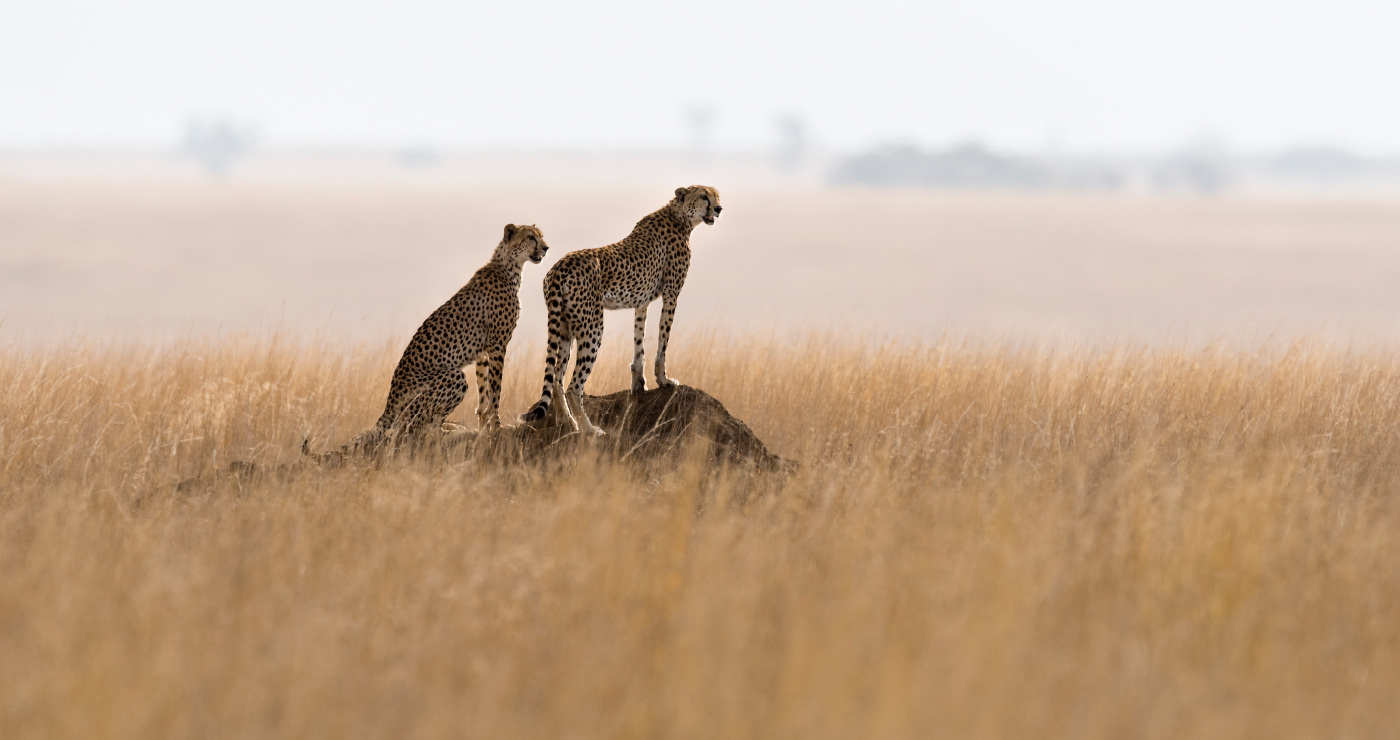
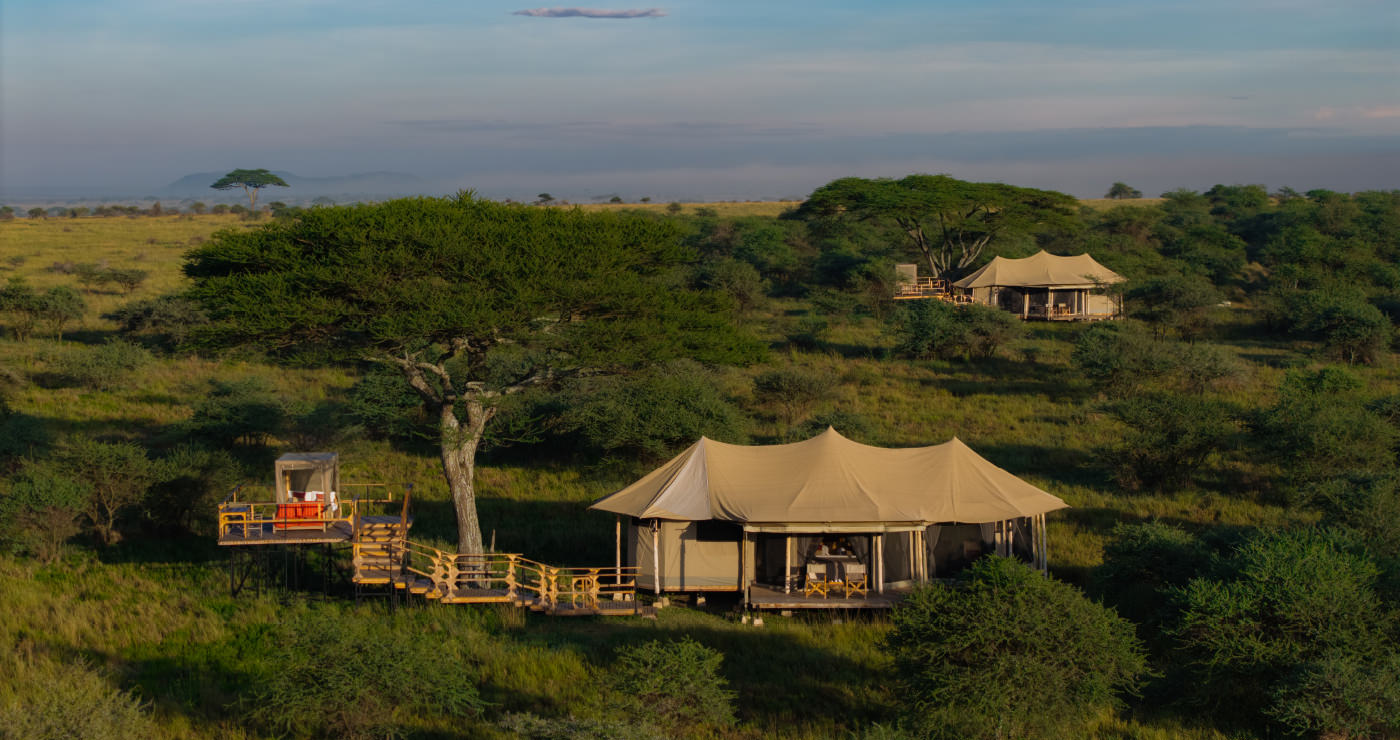
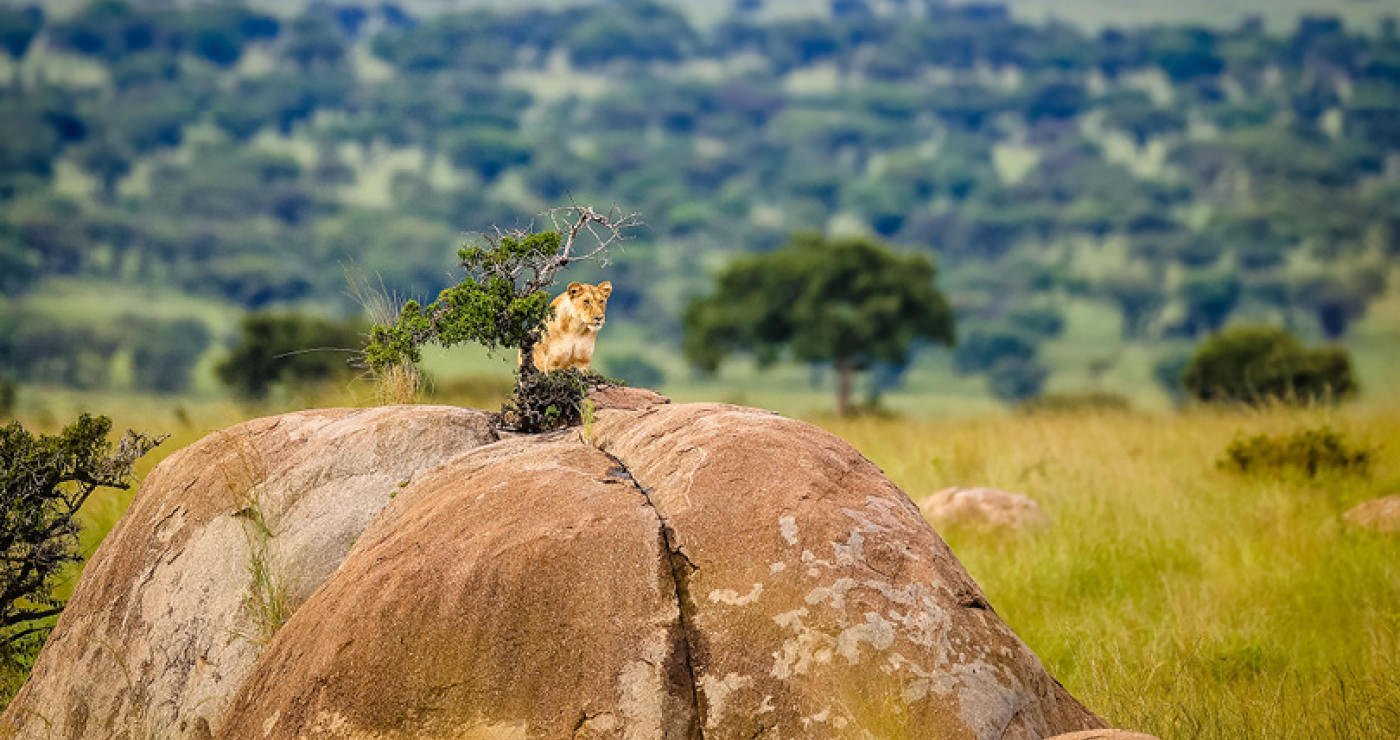
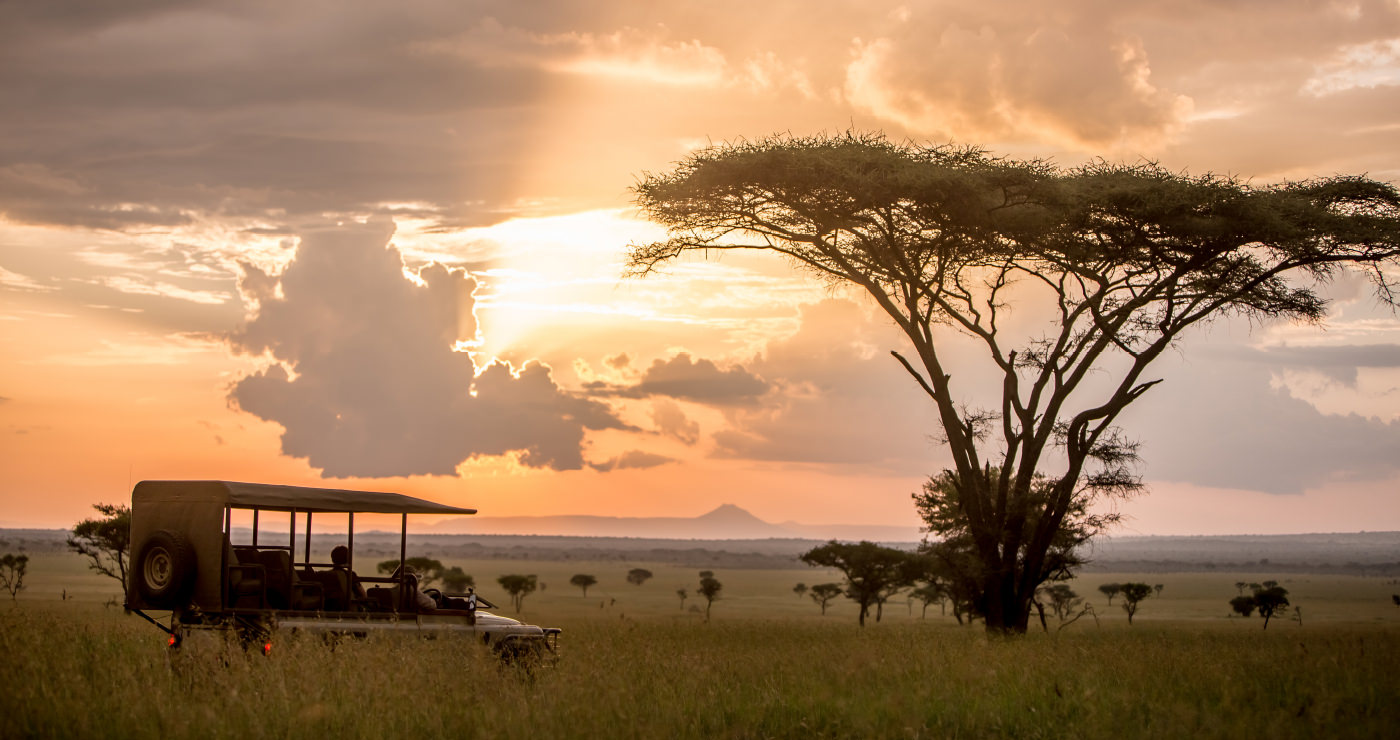
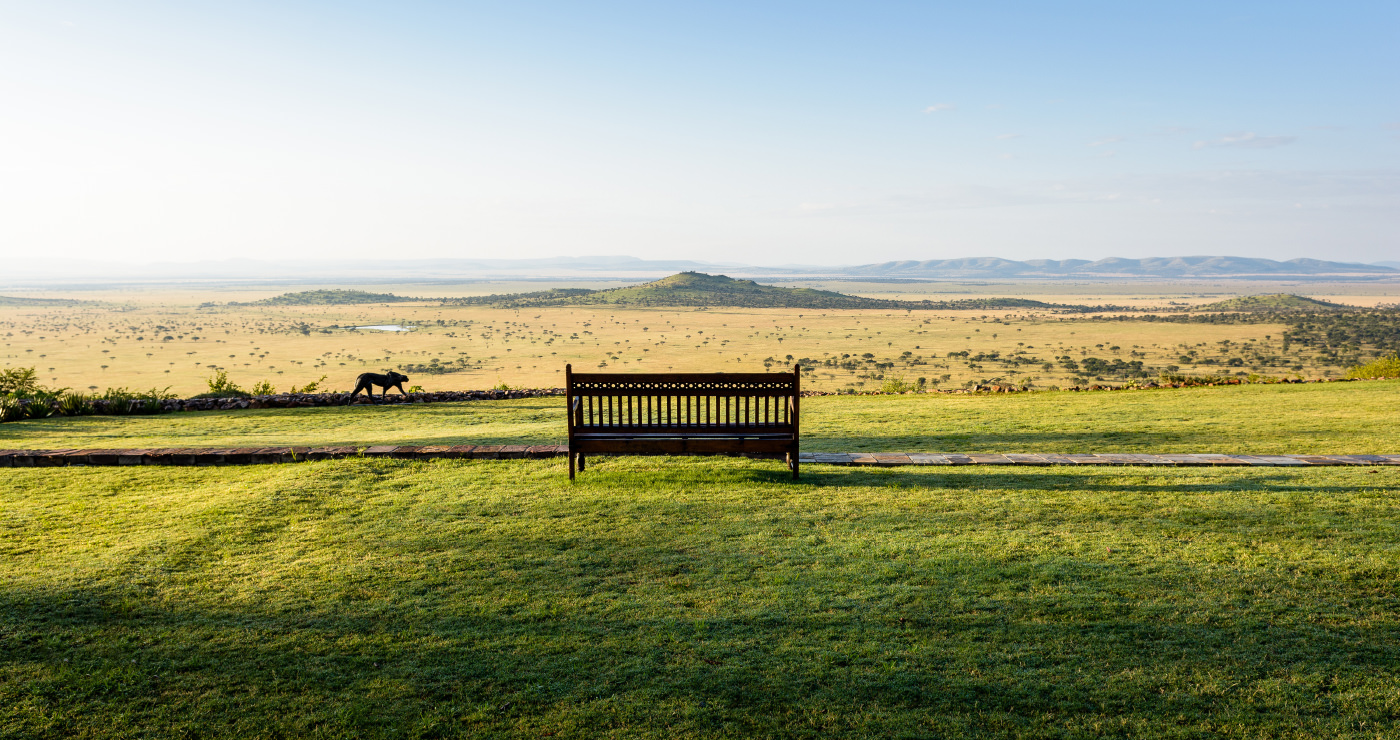
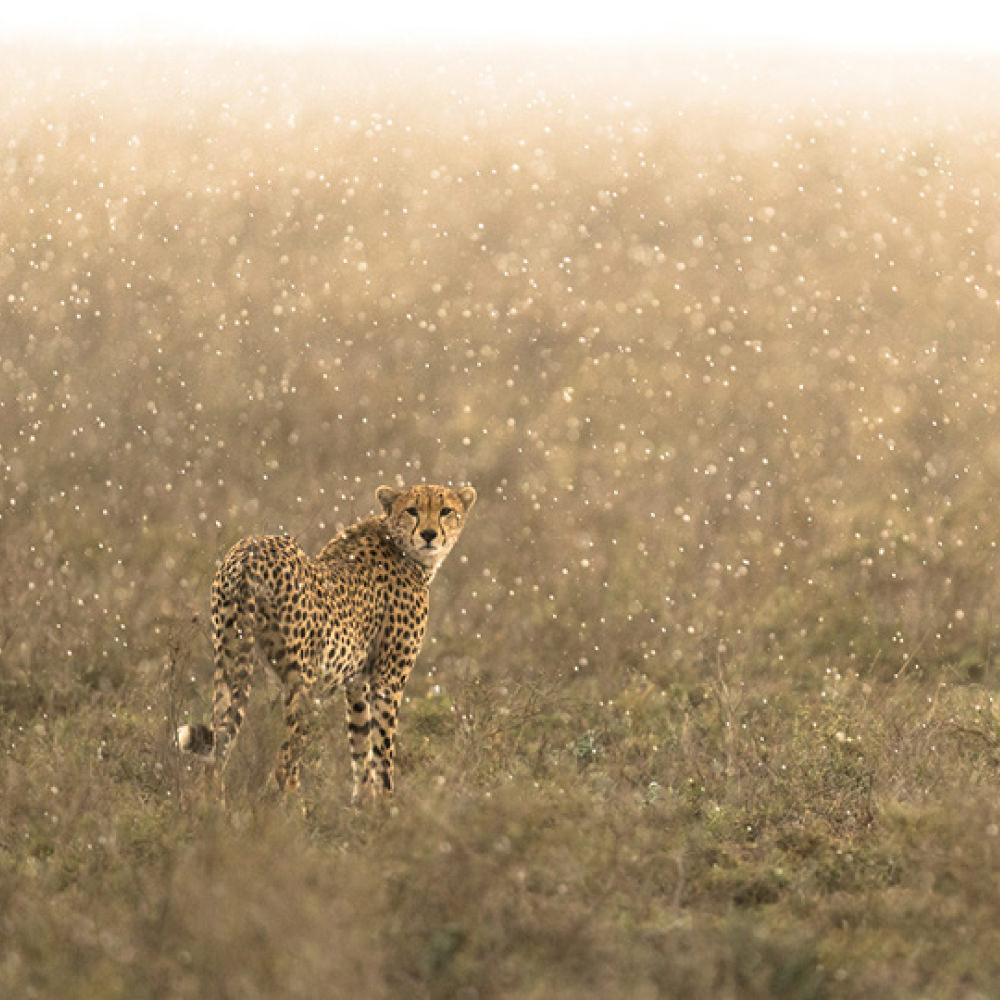
Serengeti ~ one of Africa’s most celebrated wildlife ecosystems, defined by vast open plains and abundant game. Here, the Great Migration unfolds as millions of wildebeest and zebra rove the landscape in search of fresh grazing. Beyond this spectacle, the Serengeti supports exceptional year-round wildlife viewing with strong populations of predators.
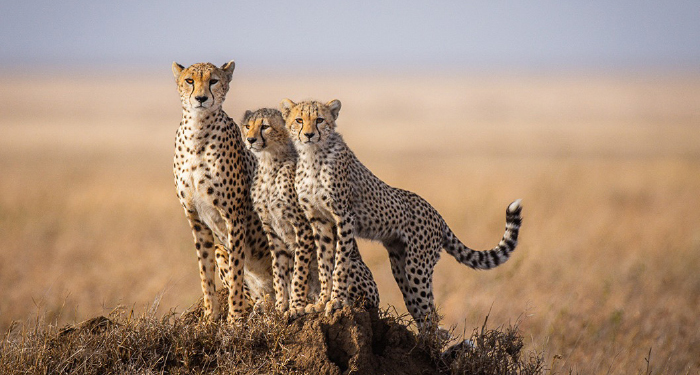
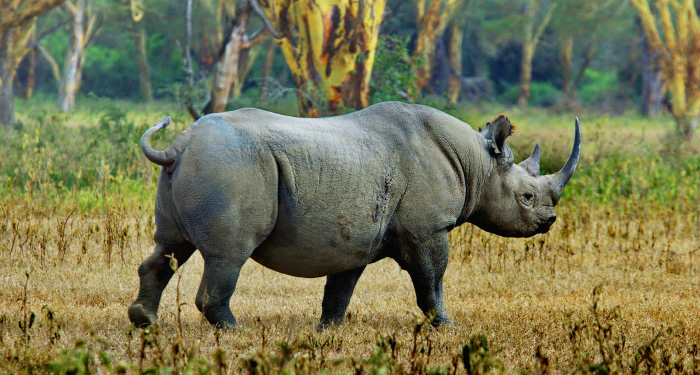
Ngorongoro Crater ~ the world’s largest intact volcanic caldera and forms a natural sanctuary for an impressive concentration of wildlife. Within this dramatic environment lie grasslands, wetlands and forest that sustain a wide variety of species; including lion, elephant and black rhino.
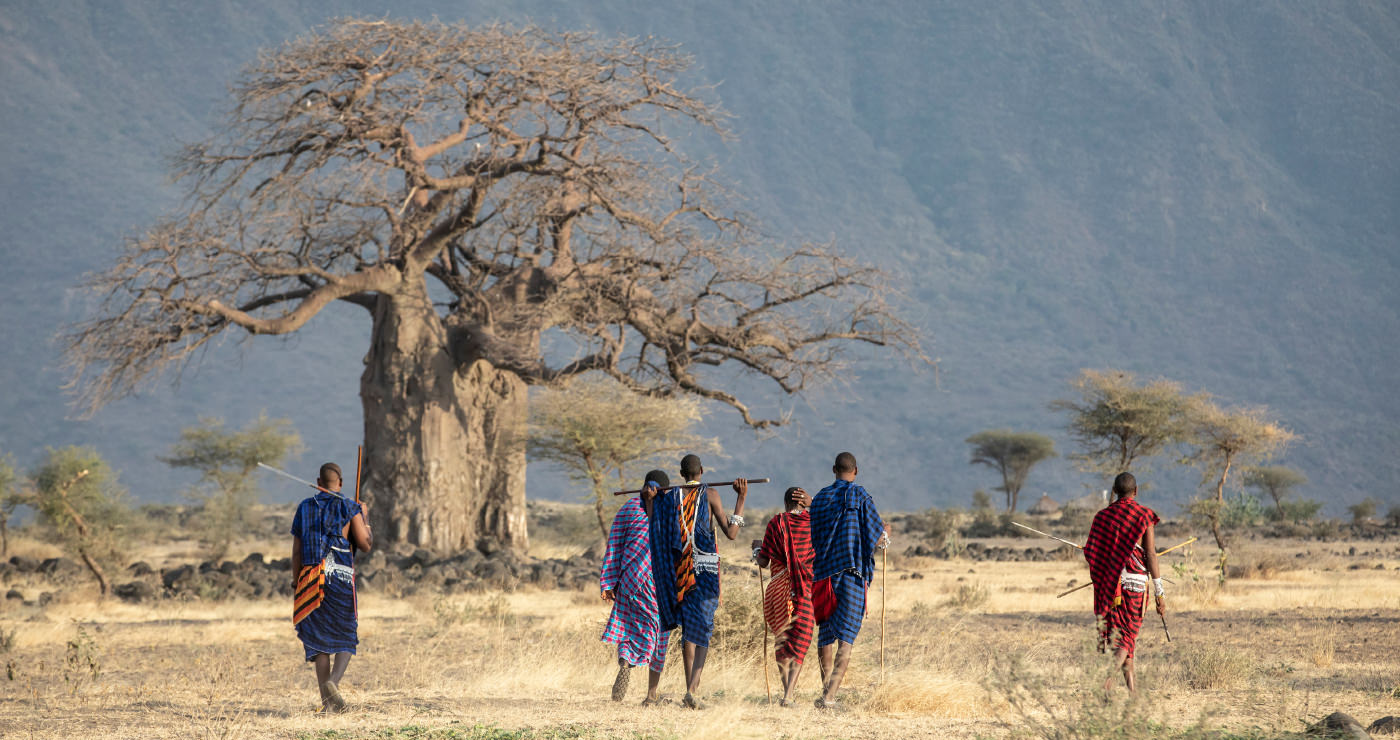
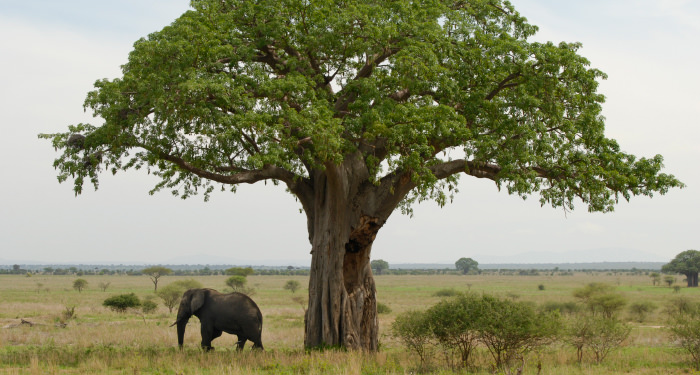
Tarangire ~ a National Park known for its ancient baobab trees, wide river valley, and particularly large elephant herds. During the dry season, the Tarangire River becomes an important lifeline for wildlife across the region, drawing a diversity of animals to its banks. The park is especially rewarding for those interested in elephants, birdlife and distinctive landscapes.
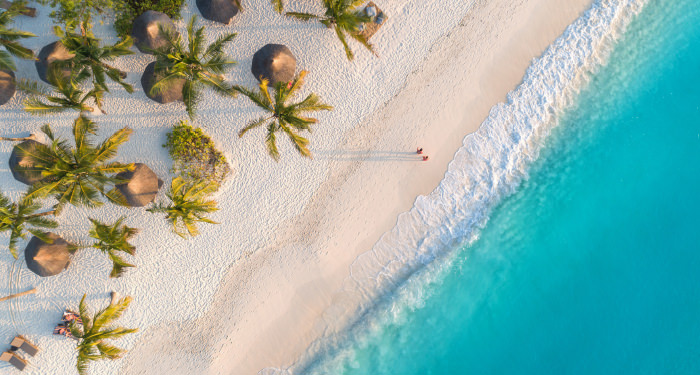
Zanzibar ~ shaped by a rich history of trade and human migration, with a coastal culture influenced by African, Arab and Persian heritage. The island offers a mix of larger resorts and small boutique hotels, while its beaches can become busy during peak months from July to October and over the December holidays. In Stone Town, narrow streets and historic buildings reflect its past as a busy trading centre.
 Quietly Exceptional
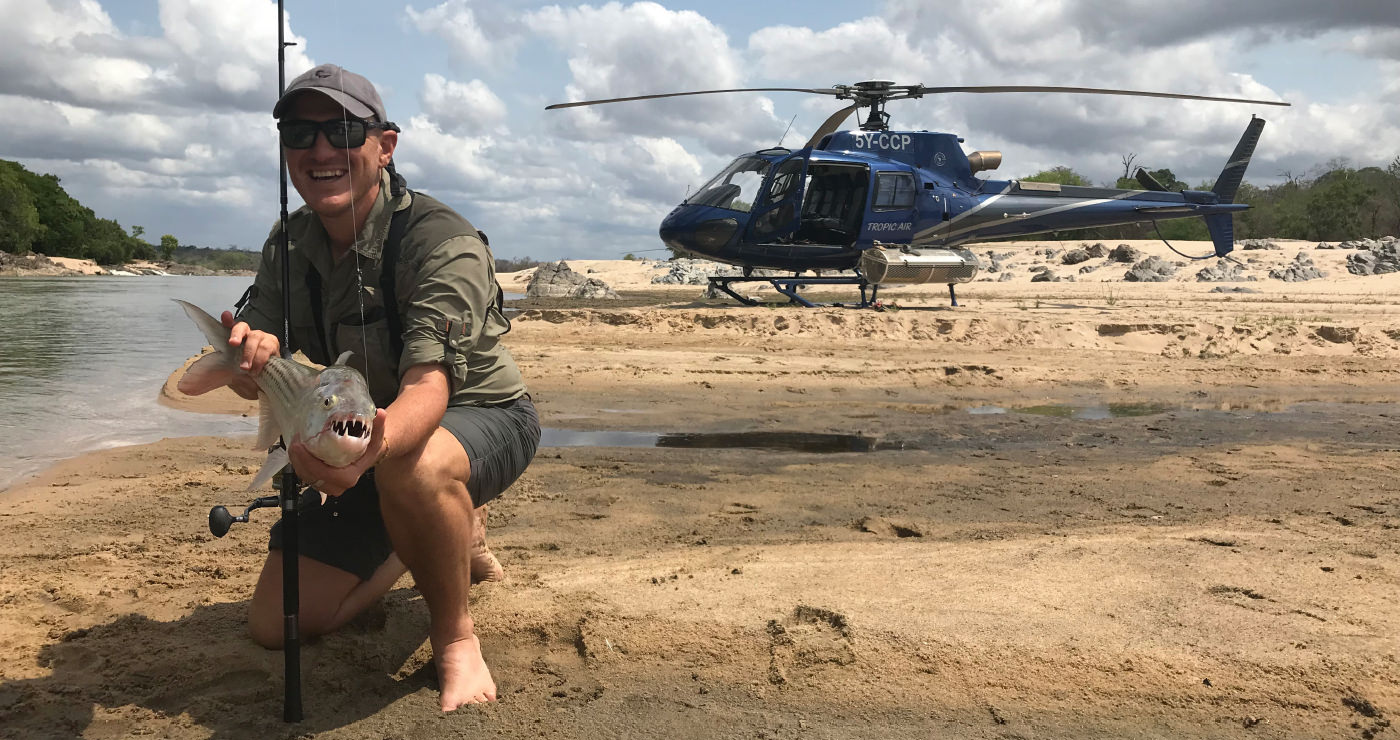
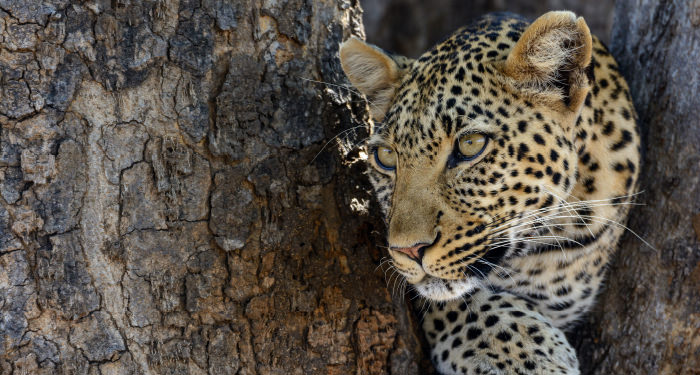
Southern Tanzania Safari Circuit ~ Nyerere National Park and Ruaha National Park form the core of southern Tanzania’s remote and rewarding safari experience. Nyerere is part of the greater Selous ecosystem, and is defined by the Rufiji River and its network of channels and floodplains – which offer diverse wildlife viewing, as well as boat safaris and guided walks. Further west, Ruaha’s rugged landscapes and the Great Ruaha River sustain large populations of elephant, buffalo and predators. Both parks remain lightly visited, creating a sense of space and a deeply immersive wilderness experience.
Western Tanzania Wilderness
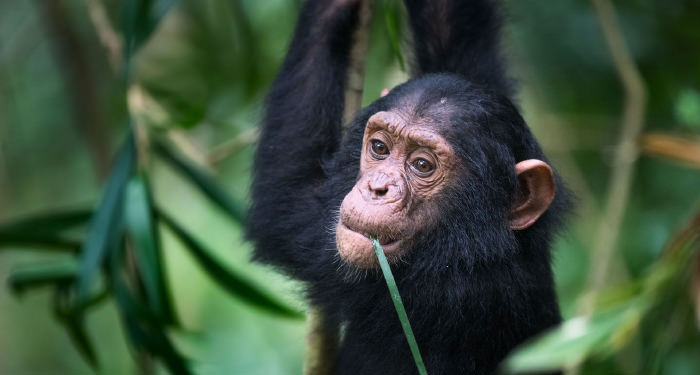
Katavi National Park and the Mahale Mountains represent some of Tanzania’s most remote and unspoilt safari regions. Katavi’s vast plains and seasonal water sources draw large concentrations of buffalo, elephant and hippo in the dry season, offering uncrowded wildlife encounters. To the west, the forested slopes of the Mahale Mountains rise above Lake Tanganyika, sheltering important populations of wild chimpanzees. Together, these parks offer a rare combination of raw safari experience and primate tracking in a setting defined by isolation and natural beauty.
Pemba Island ~ a quieter, more remote alternative within the Zanzibar archipelago, known for its excellent diving and snorkelling. With very few lodges and limited infrastructure, it is not a destination for glossy resorts, but rather for intimate and comfortable stays. Its appeal lies in its privacy and sense of seclusion, with very few visitors, delicious, fresh cuisine, and stretches of empty beaches.

When we first visited Tanzania with the intention of living there, we were astonished. Even with the glowing reports on the “bush telegraph” and careful research, nothing quite prepared us for the scale and diversity of this remarkable country. Having then lived here for many years and returning often, Deborah’s connection to Tanzania remains deeply personal.
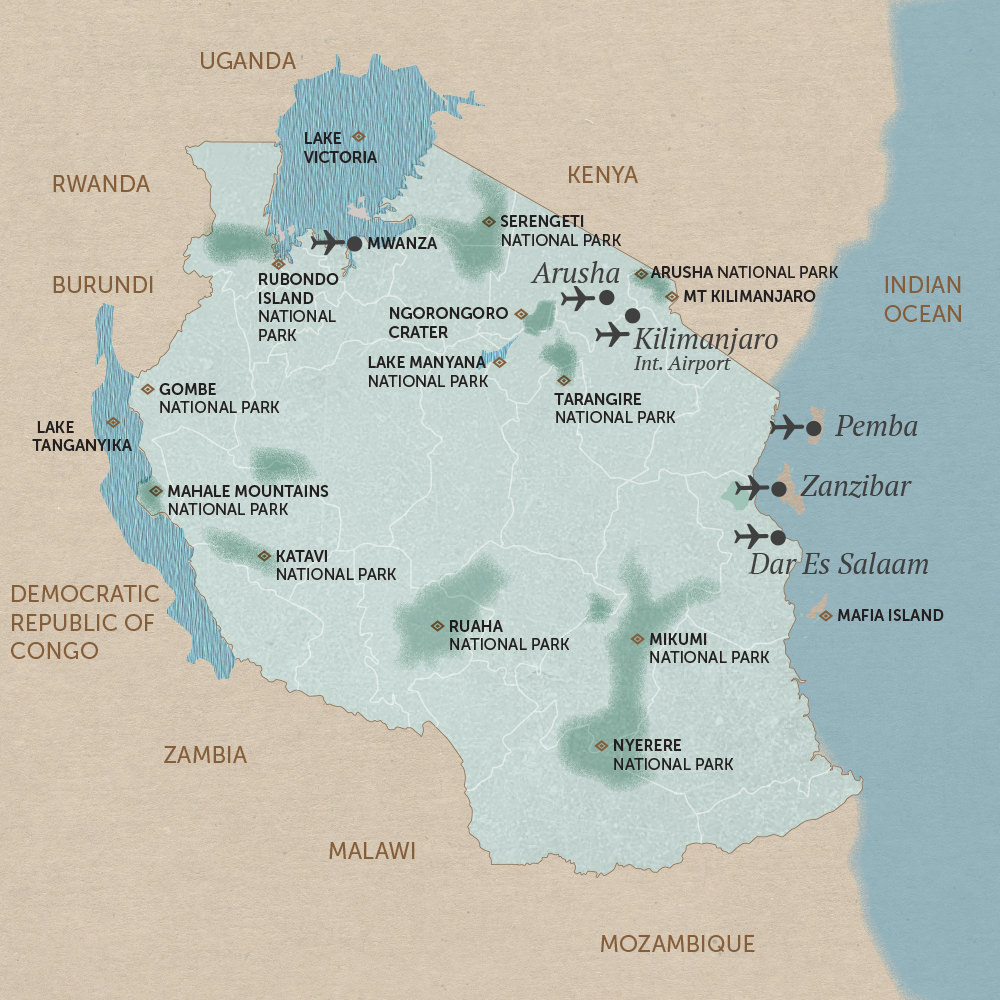
Most international journeys to Tanzania begin with flights into either Kilimanjaro International Airport (which serves the northern safari circuit); or Julius Nyerere International Airport in Dar es Salaam (for the southern parks and the Indian Ocean coast). Given the scale of the country, travel between safari regions is usually done by scheduled light aircraft or private charters, linking key airstrips at each destination. These scheduled safari flights allow you to move efficiently between remote areas while enjoying remarkable aerial views of Tanzania’s landscapes. Careful planning of logistics is an important part of designing a seamless journey – we work closely with trusted air operators, guides and camps to ensure that travel between regions is smooth and well considered.
Tanzania is not a destination that reveals itself in a single visit; rather, it is a country that rewards those who return, each journey offering a deeper understanding of its richness and complexity.When planning a safari to Tanzania, we begin with your priorities. The quality of guiding, access to exceptional wildlife areas and how best to shape the journey within your budget are always at the heart of our thinking.