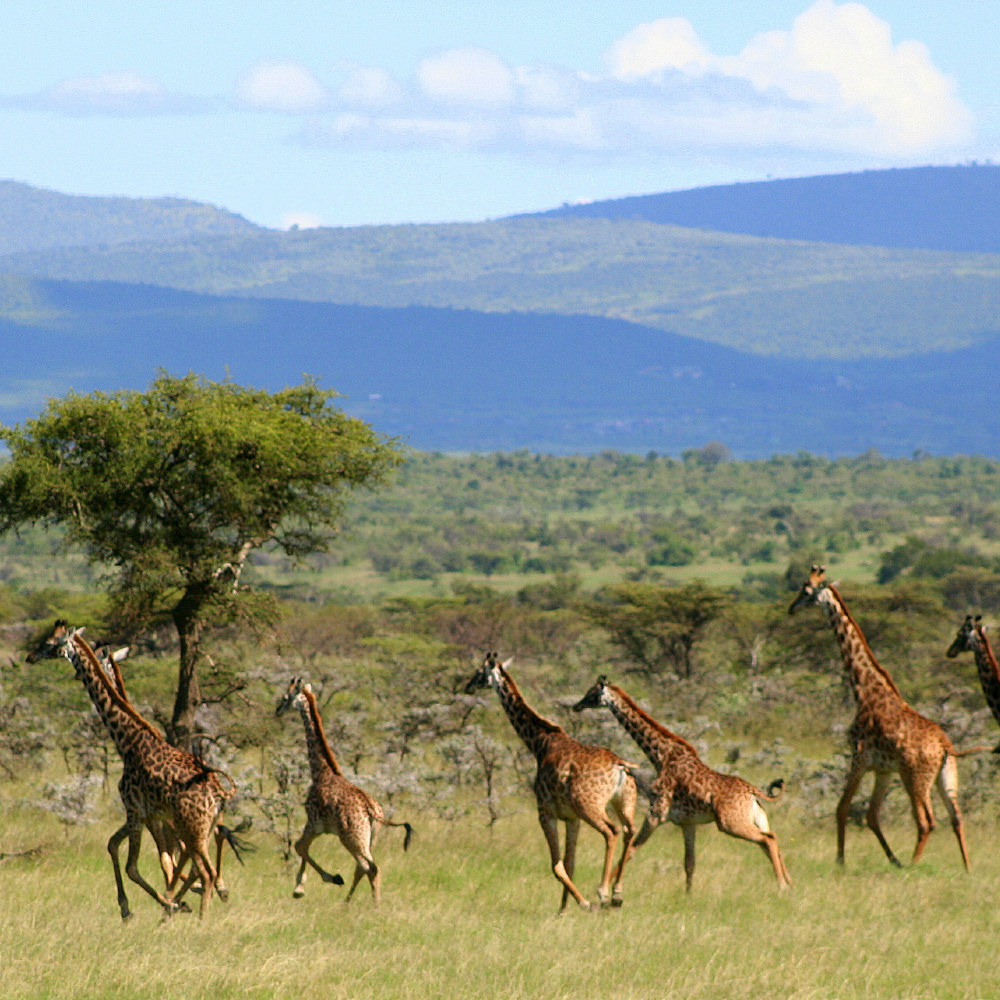


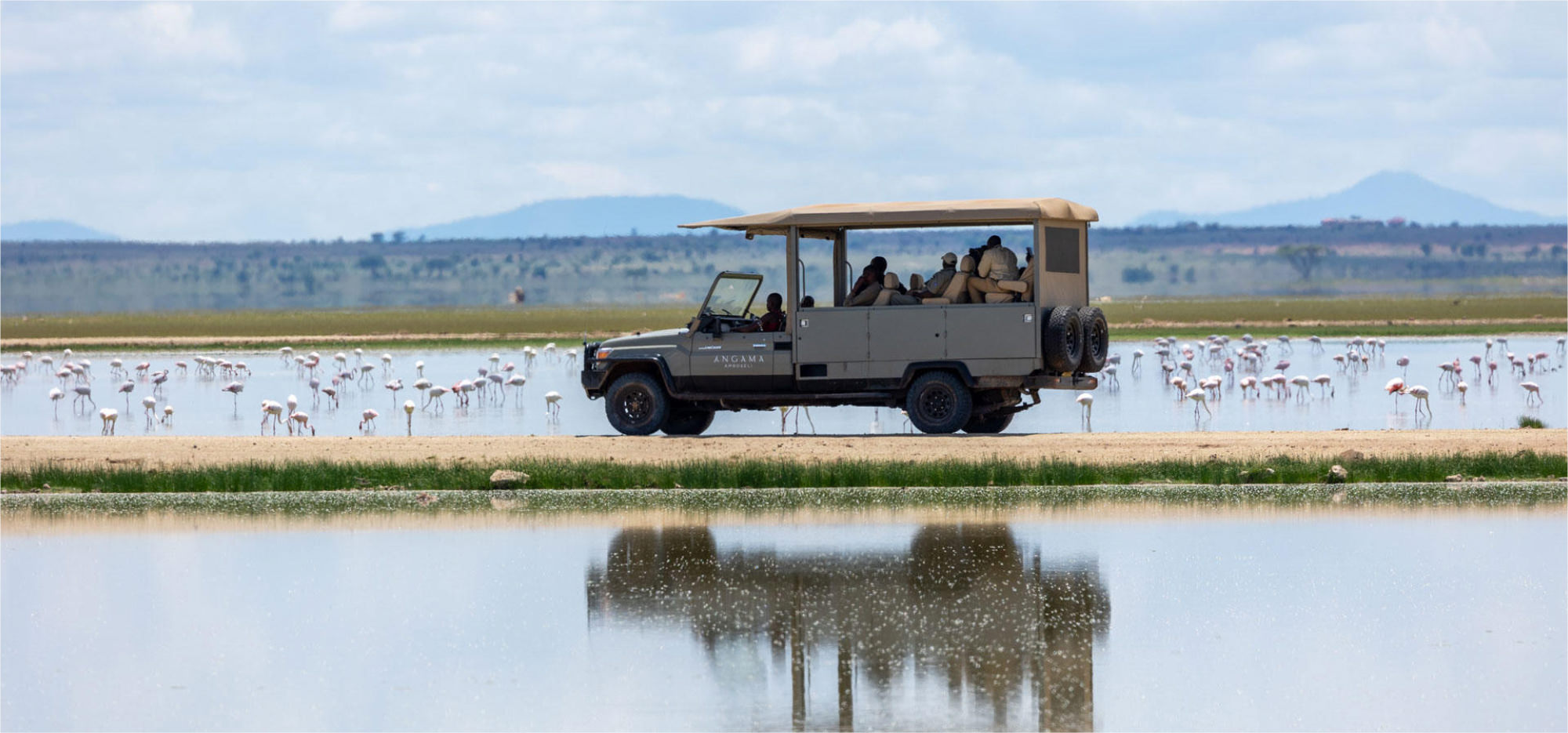
Kenya has long stood at the heart of Africa’s conservation story, with protected landscapes that offer some of the continent’s most rewarding wildlife experiences. From the open plains of the Maasai Mara to the elephant-rich Amboseli beneath Kilimanjaro, Kenya’s ecosystems are both varied and remarkably productive for wildlife viewing.

 Shifting Seasons
Kenya is a seasonal safari destination, with rainfall patterns shaping wildlife movements, landscapes and travel conditions throughout the year. As in much of East Africa, the country experiences two main dry seasons and two rainy periods, although the timing and intensity can vary between regions.
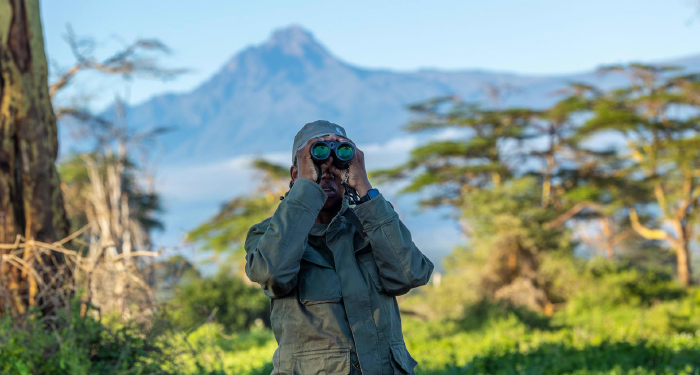
The dry seasons, broadly from January to March and again from June to October, tend to bring clear skies and superb wildlife viewing. These months also align with some of Kenya’s most celebrated natural spectacles, including the arrival of the Great Migration into the Maasai Mara from around July through October.
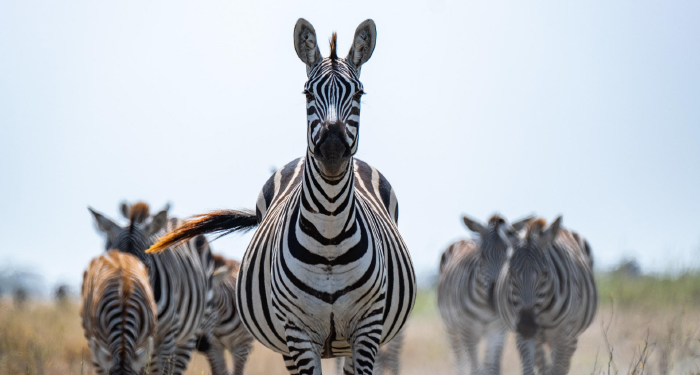
That said, the remainder of the year holds its own appeal. Each season presents distinct advantages, and the ideal time to travel ultimately depends on the experience you are seeking. When planning a safari to Kenya, we therefore begin with your priorities. Quality of guiding, access to exceptional wildlife areas, and shaping a journey to match your budget are at the heart of our thinking.
 Enduring Icons
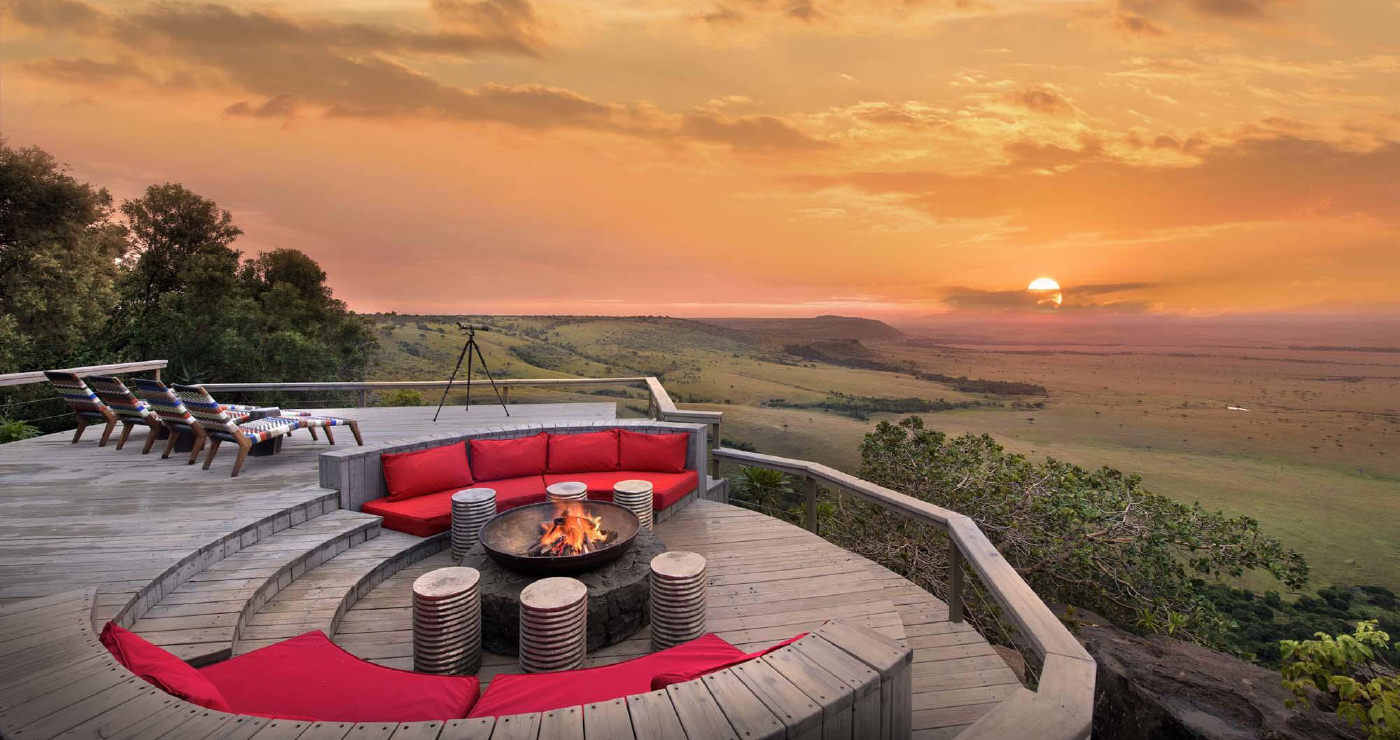
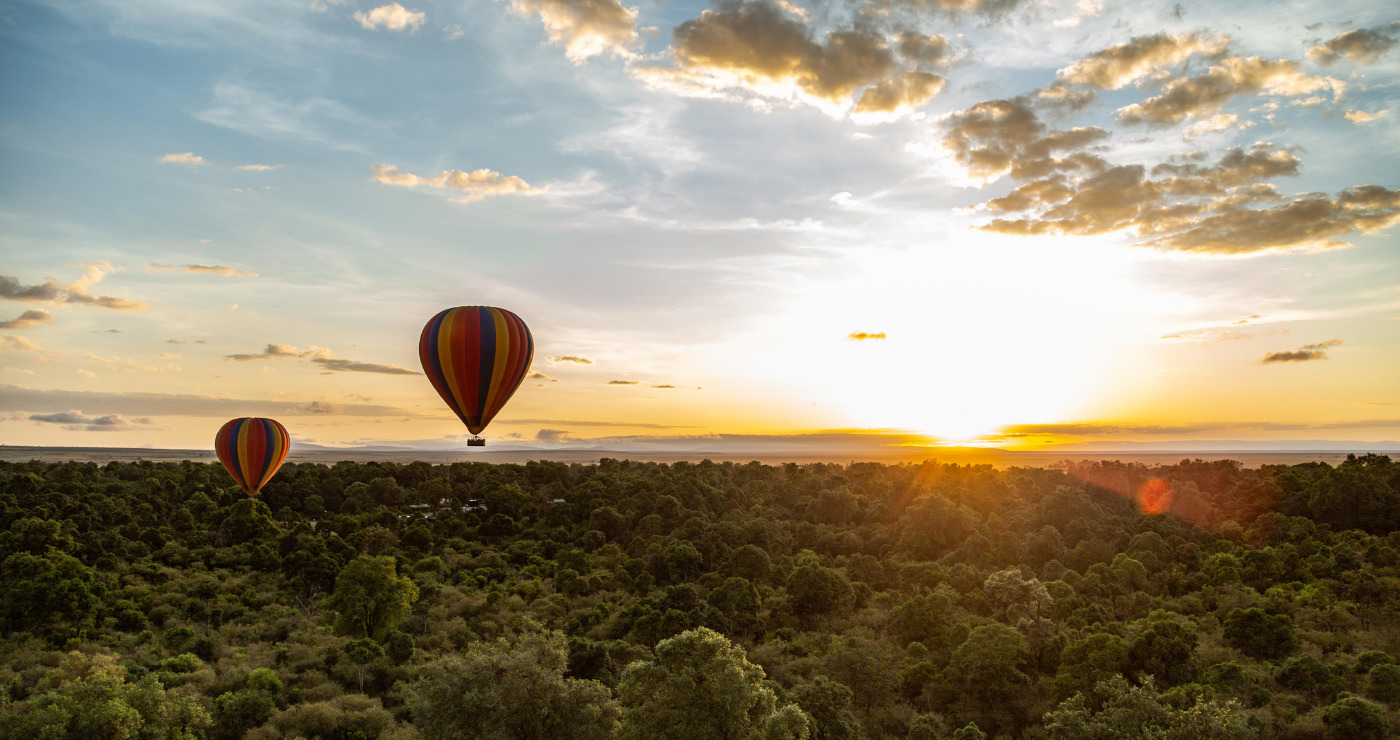
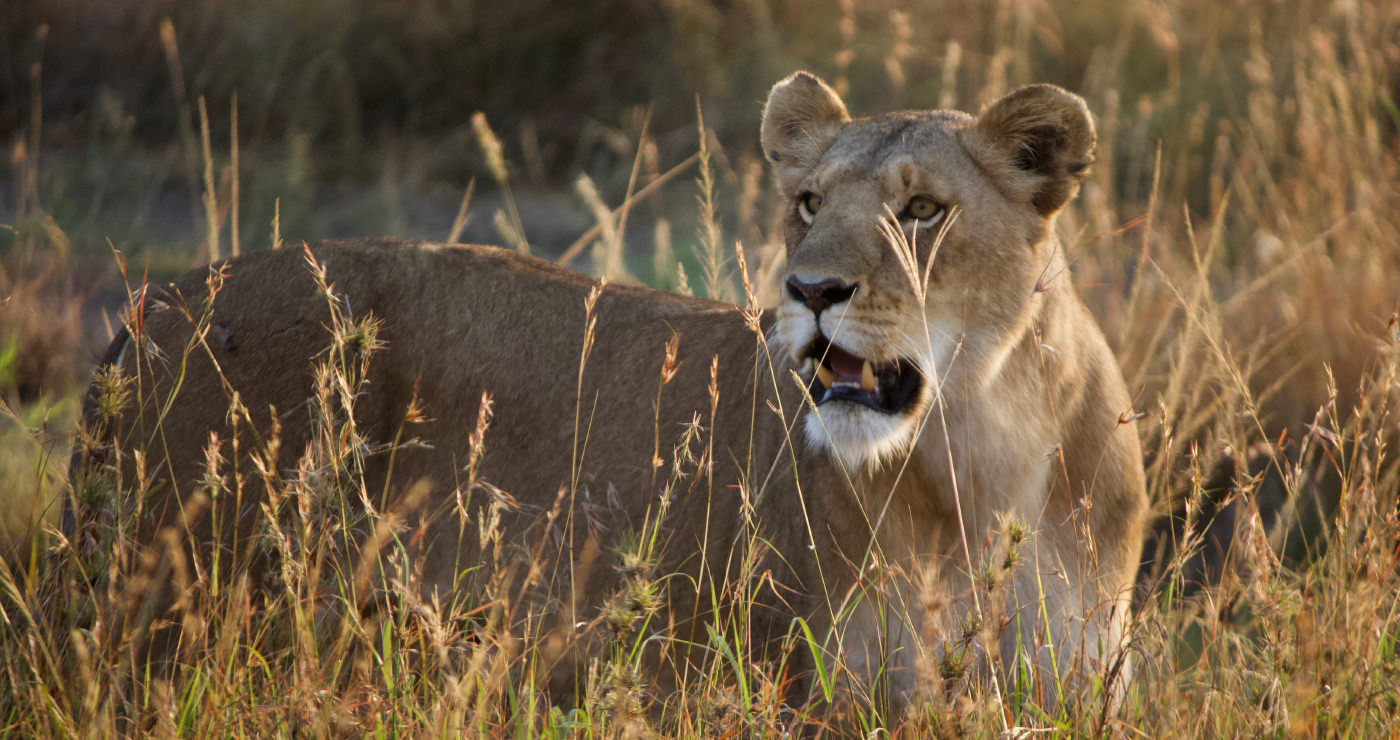
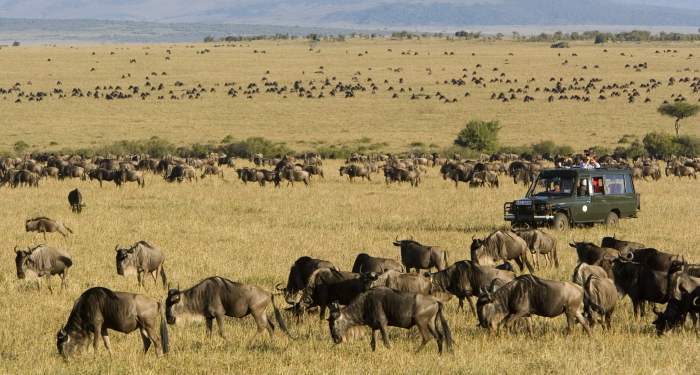
Maasai Mara ~ Kenya’s most celebrated wildlife destination, forming the northern extension of the greater Serengeti ecosystem. Wide open plains support an extraordinary abundance of wildlife year-round. Between July and October, the Great Migration moves through the region as vast herds of wildebeest and zebra cross the mighty Mara River.
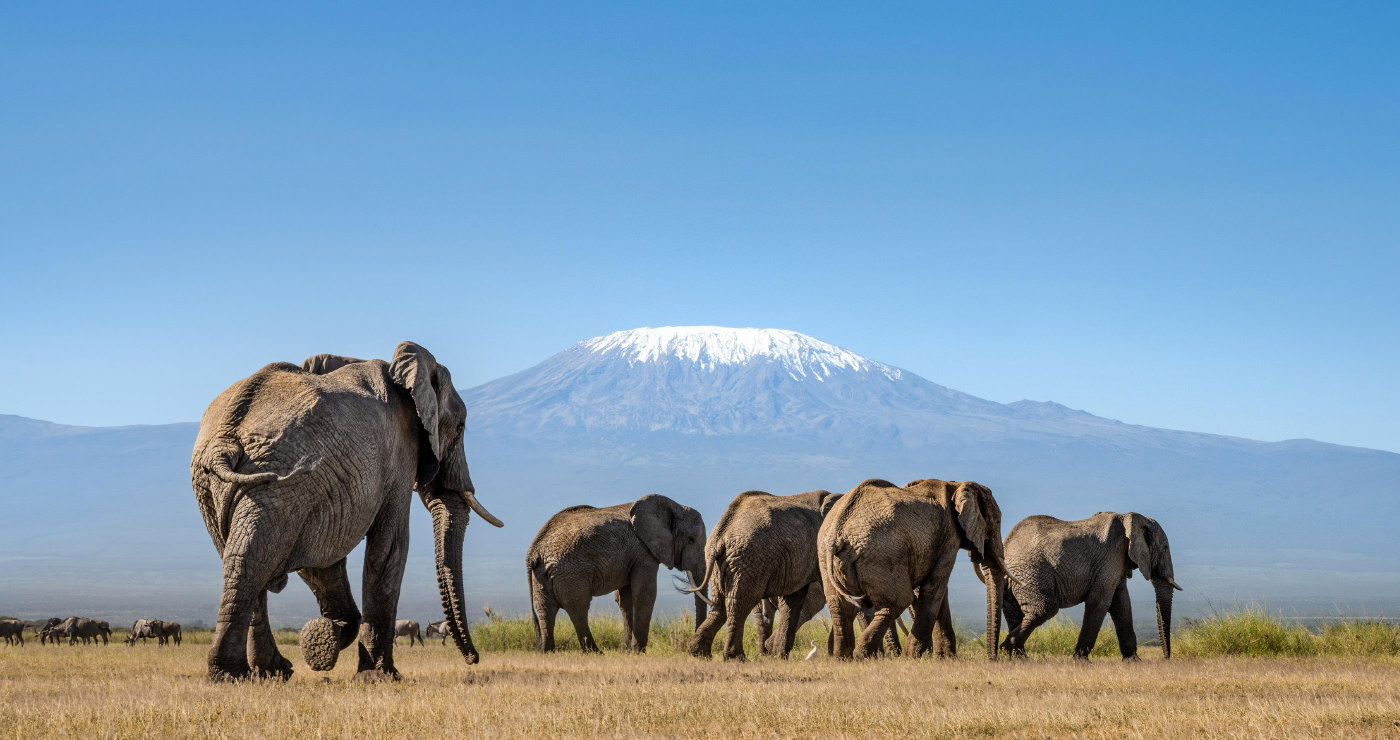
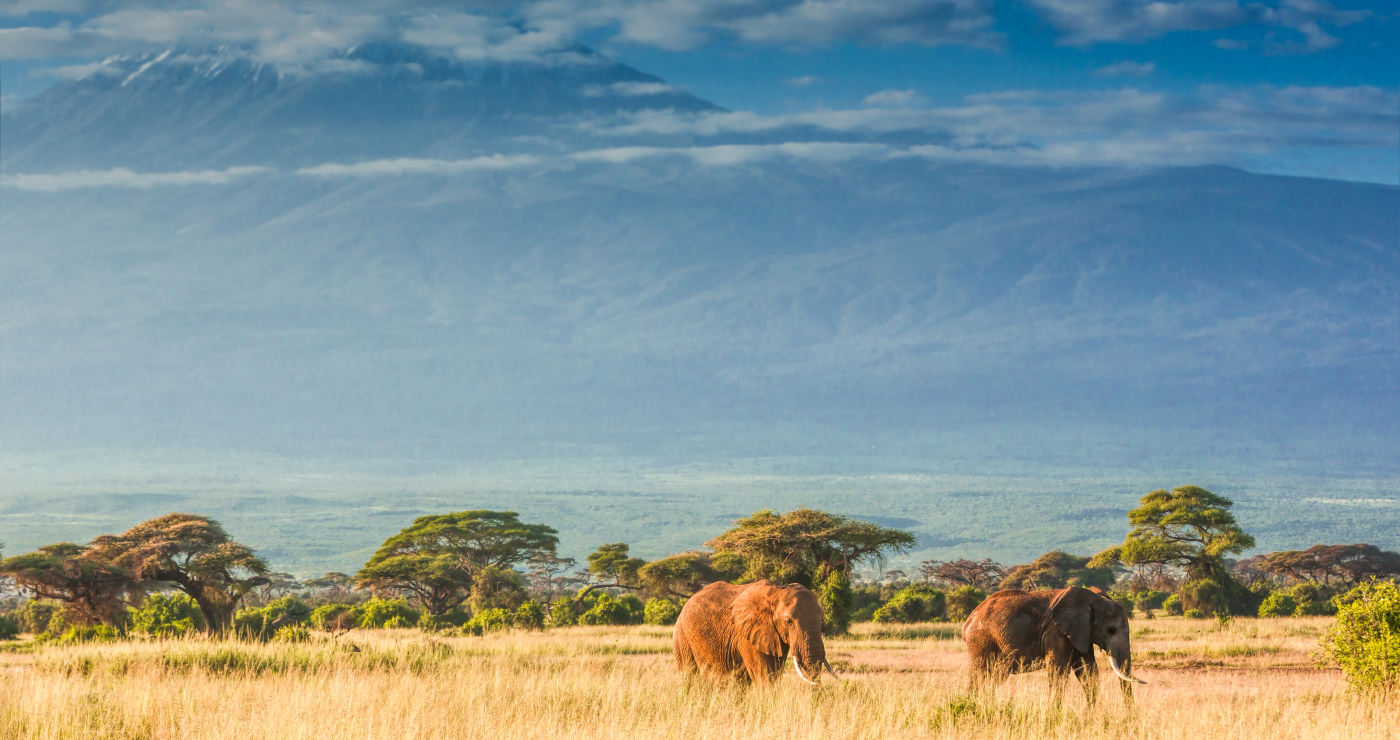
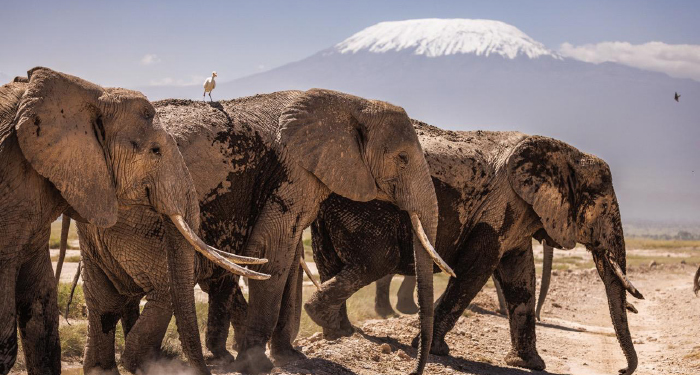
Amboseli ~ a National Park renowned for remarkable elephant sightings and a dramatic setting beneath the majestic vista of snow-capped Mount Kilimanjaro (highest mountain in Africa and one of the world’s 7 highest peaks). Open plains attract a wide variety of wildlife, while permanent water sources allow for reliable game viewing throughout much of the year.
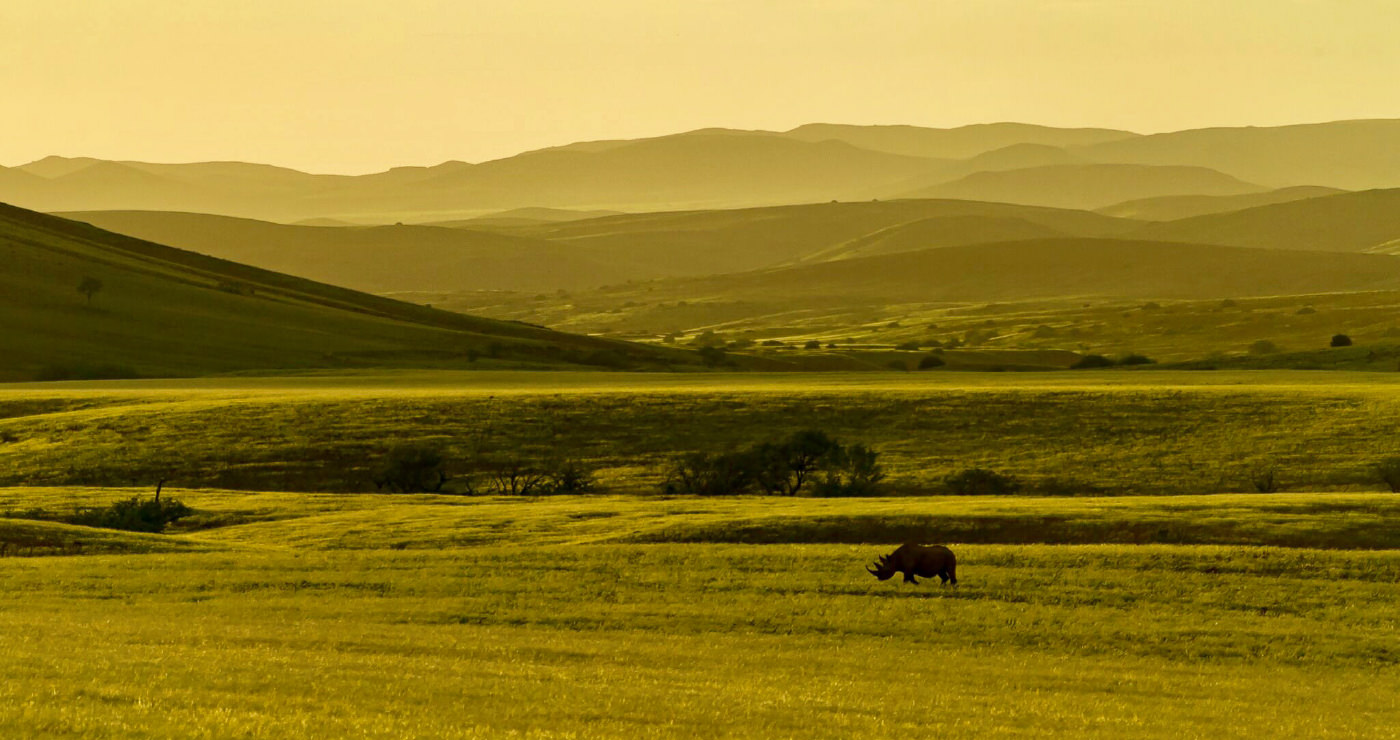
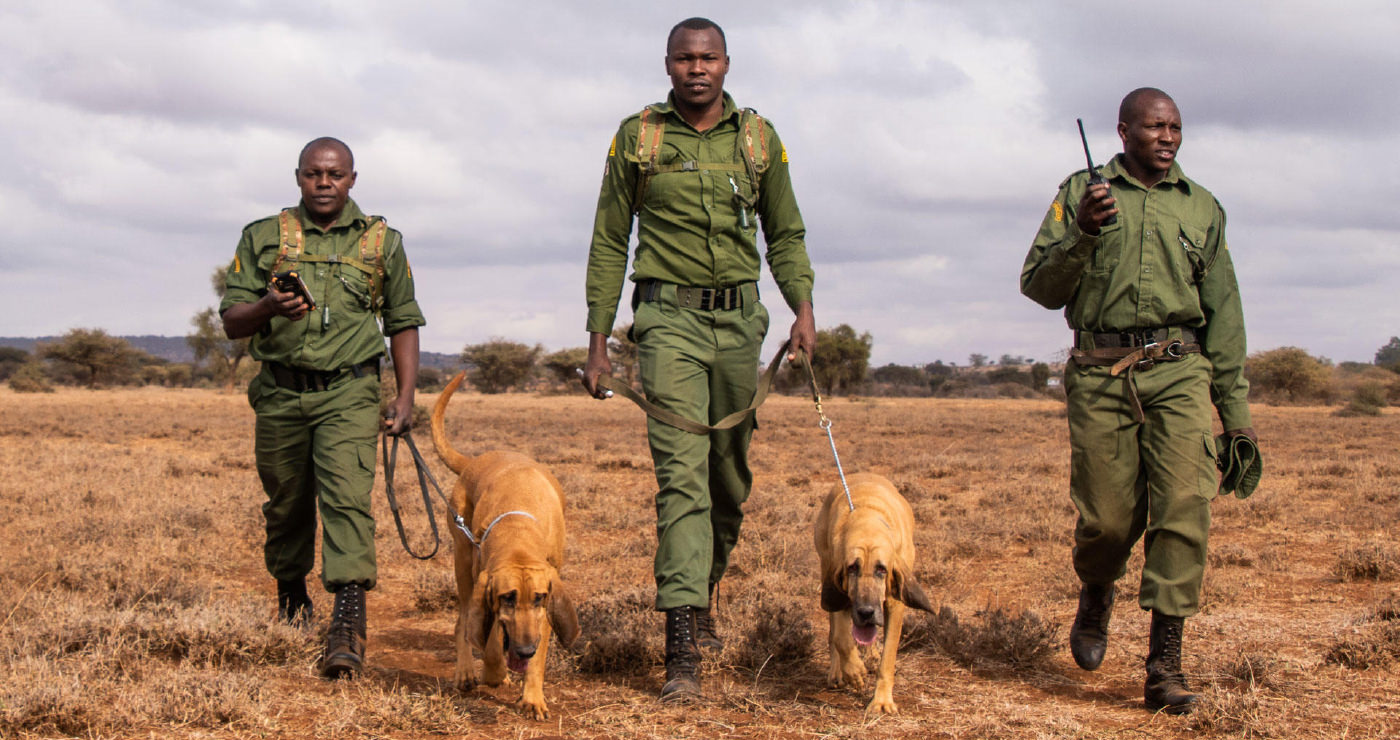
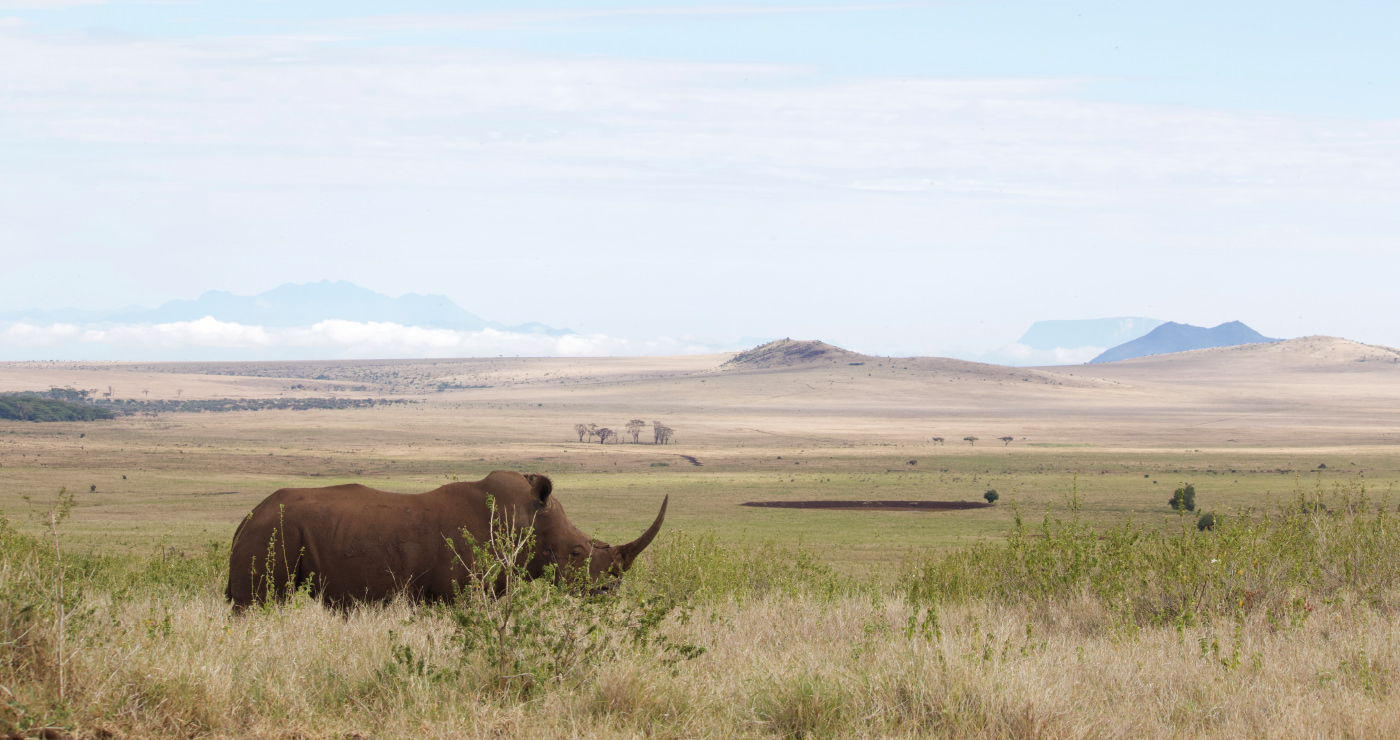
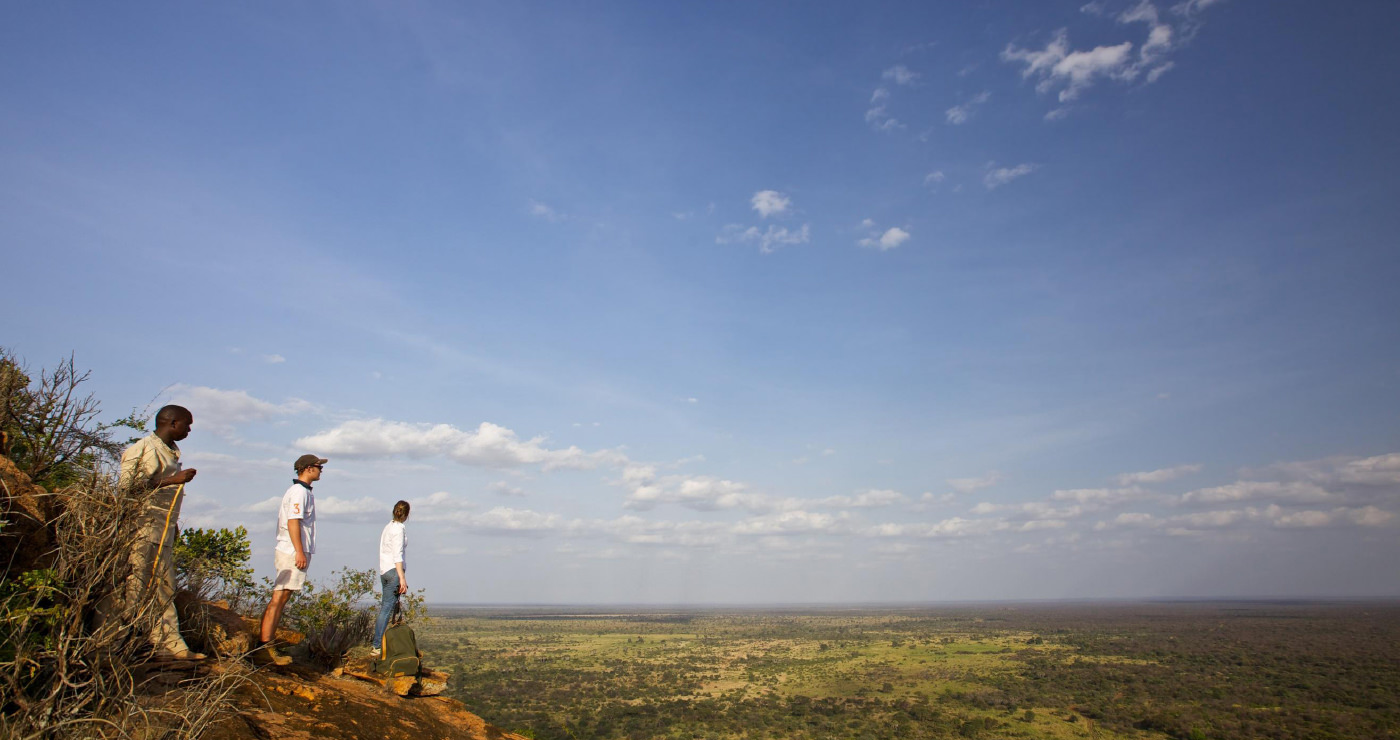
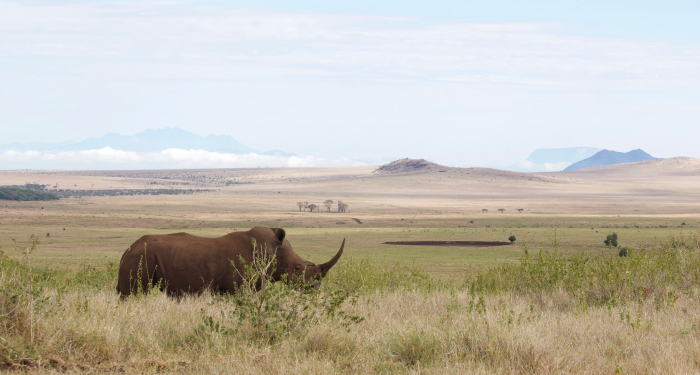
Laikipia and Lewa ~ one of Kenya’s most important conservation landscapes, where private conservancies work alongside local communities to protect wildlife and support sustainable land use. Within Laikipia, the Lewa Wildlife Conservancy is well known for its successful rhino conservation programmes and excellent guiding. Together, these areas offer varied safari experiences, often combining wildlife viewing with walking, riding or other activities.
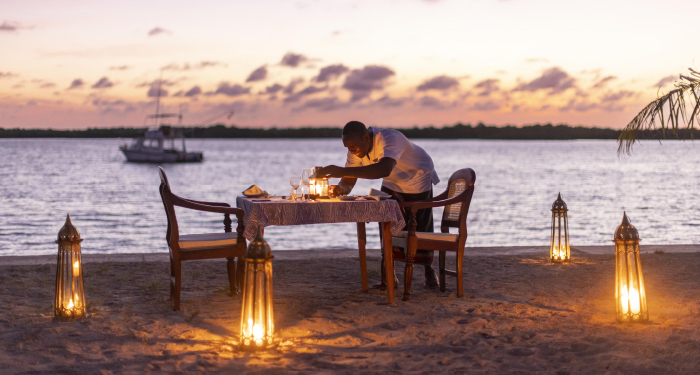
The Kenyan Coast ~ Kenya’s coastline stretches along the warm Indian Ocean, offering a relaxed and beautiful contrast to the country’s safari hotspots. Historic Swahili towns such as Lamu reveal a rich cultural heritage shaped by centuries of maritime trade, while the waters offshore offer excellent snorkelling, diving, kitesurfing and dhow sailing.
 Quietly Exceptional
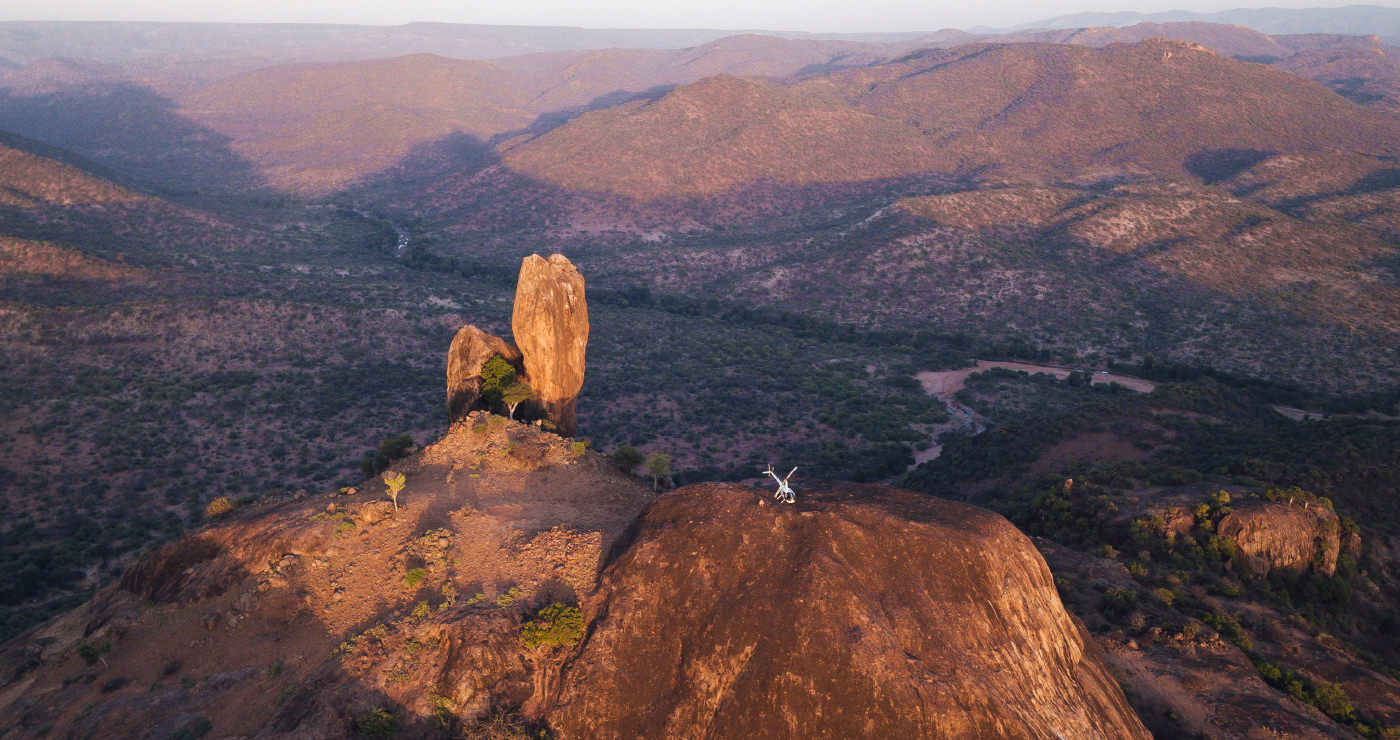
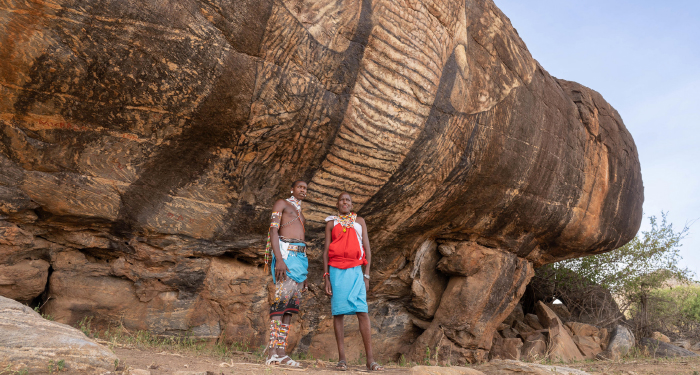
Samburuland ~ set in Kenya’s arid north, this is a landscape of rugged hills, and dry riverbeds, which support a distinctive range of unique wildlife adapted to these harsher conditions. A region closely connected to the traditions of the Samburu people, whose pastoral culture is deeply rooted in the landscape.
Lake Turkana ~ is often called the Jade Sea for its striking colour, and lies deep in Kenya’s remote northern frontier. It is the world’s largest desert lake and one of the most dramatic landscapes in East Africa. The surrounding region is rich in both cultural and geological significance, also with ancient archaeological sites and communities whose ways of life have changed little over generations.
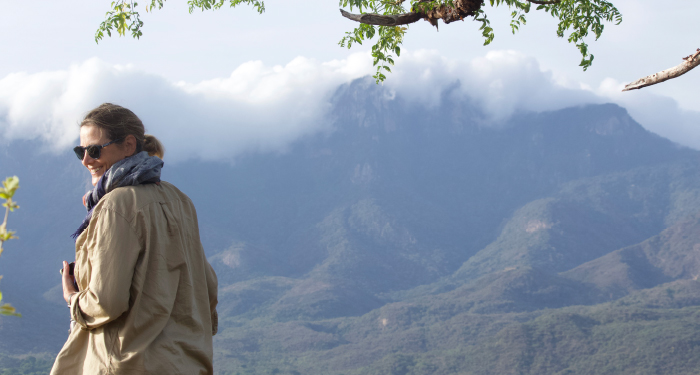
Meru National Park ~ to the east of Mount Kenya, this is one of the country’s most quietly rewarding wilderness areas. A strikingly diverse landscape, with open grasslands, riverine forests and numerous clear streams fed by the mountain’s catchments. Wildlife is plentiful with safari experiences defined by the vast and interesting variety of species, and relatively few visitors.
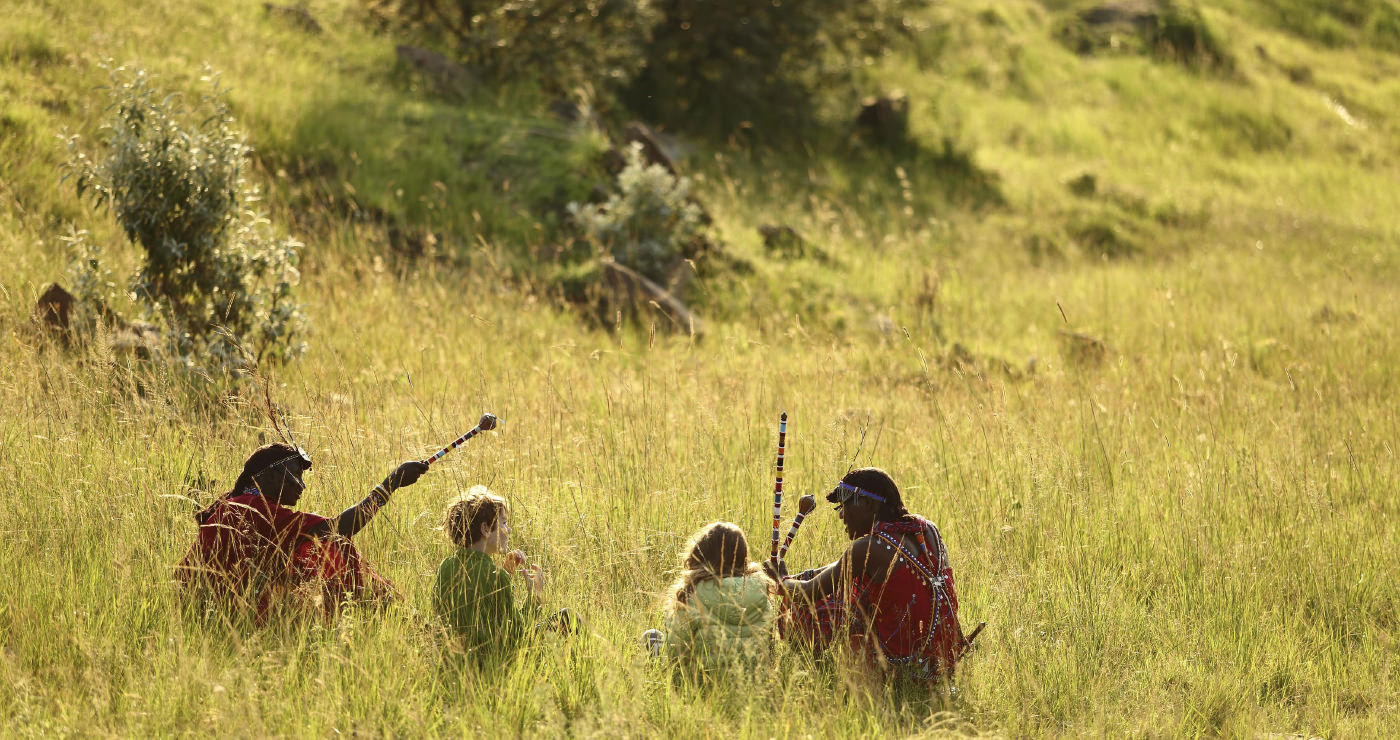
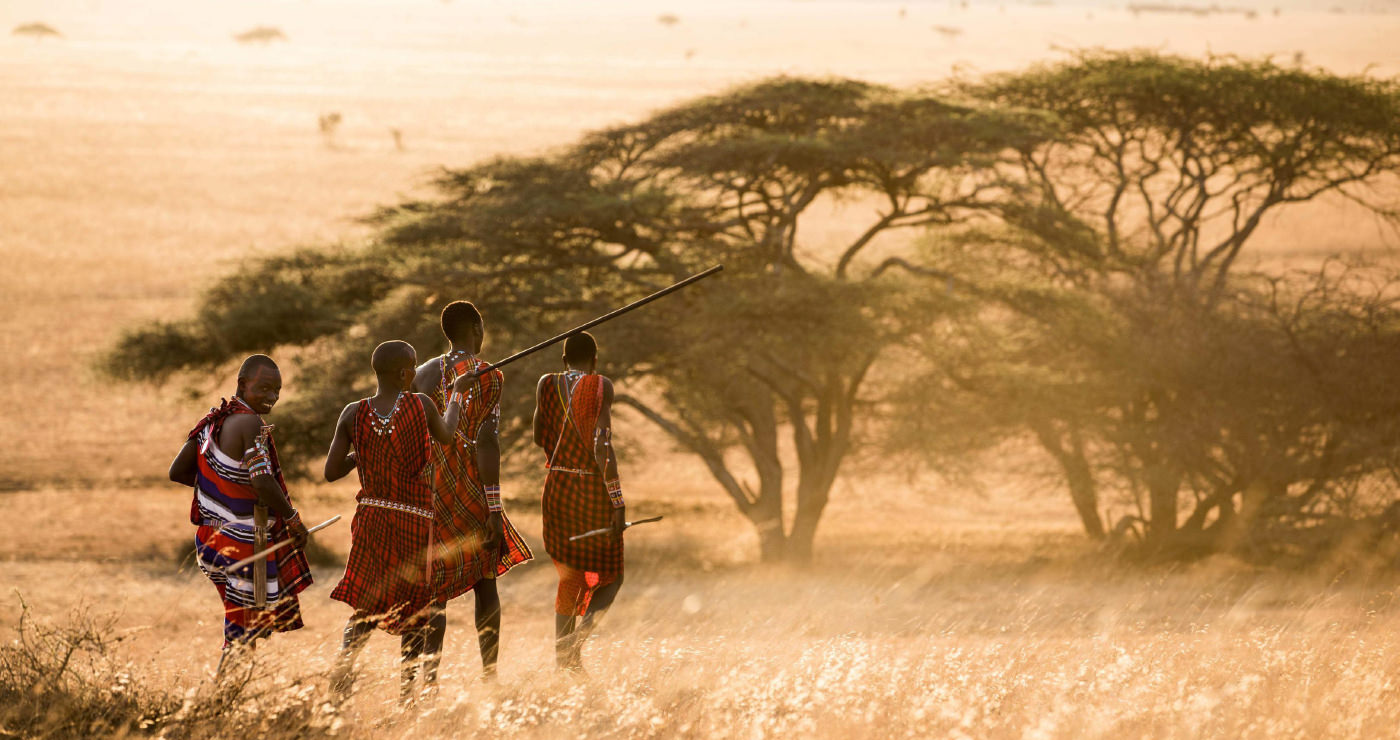
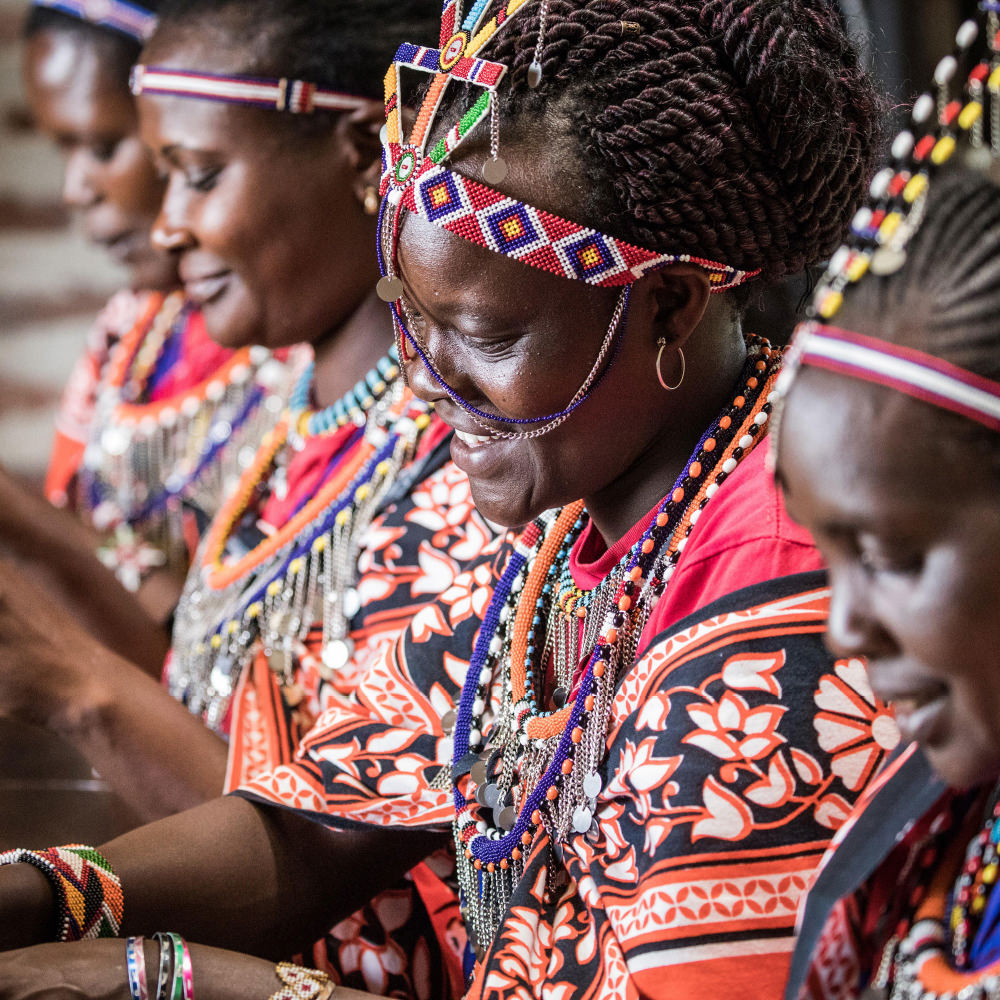
The Maasai and Samburu, along with the Turkana and Kikuyu have histories deeply intertwined with the landscapes and wildlife that surround them, adding an important human dimension to any journey here.
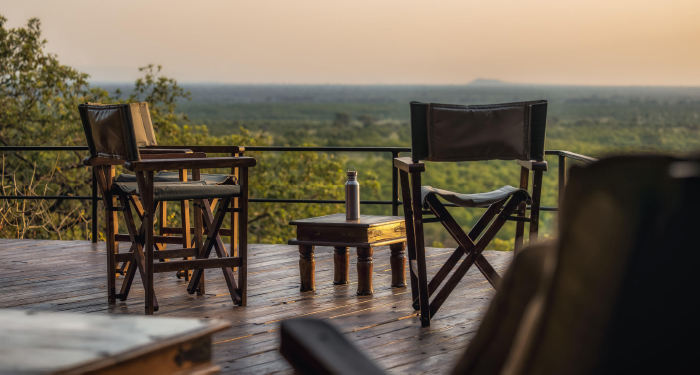
Our approach is to focus on exceptional wildlife areas, outstanding guiding and thoughtfully chosen camps, creating journeys that reveal the true character of the country while avoiding the more crowded corners of the safari circuit.
KENYA
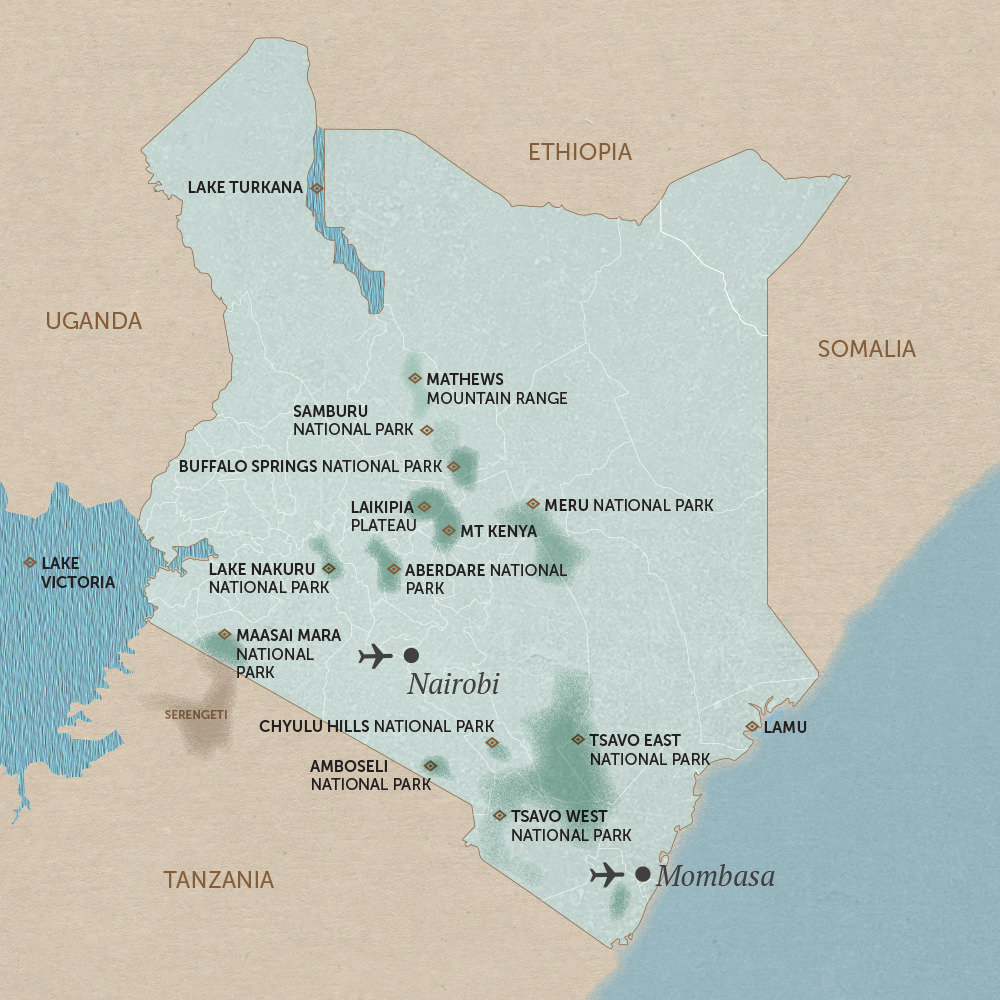
Most international journeys to Kenya begin with an arrival into Jomo Kenyatta International Airport in Nairobi. Given the scale of the country and the remoteness of many wildlife areas, travel between safari regions is often done by scheduled light aircraft or private charters, linking Nairobi’s Wilson Airport with airstrips in the Maasai Mara, Amboseli, Samburu, Laikipia and other parts of the country.
Whether you are drawn to classic safari landscape, the exclusivity of Kenya’s private conservancies, or combining wildlife experiences with time on the Indian Ocean coast, Kenya offers an extraordinary range of possibilities.