

IDYLLIC BEACHES AND QUIRKY LEMURS.
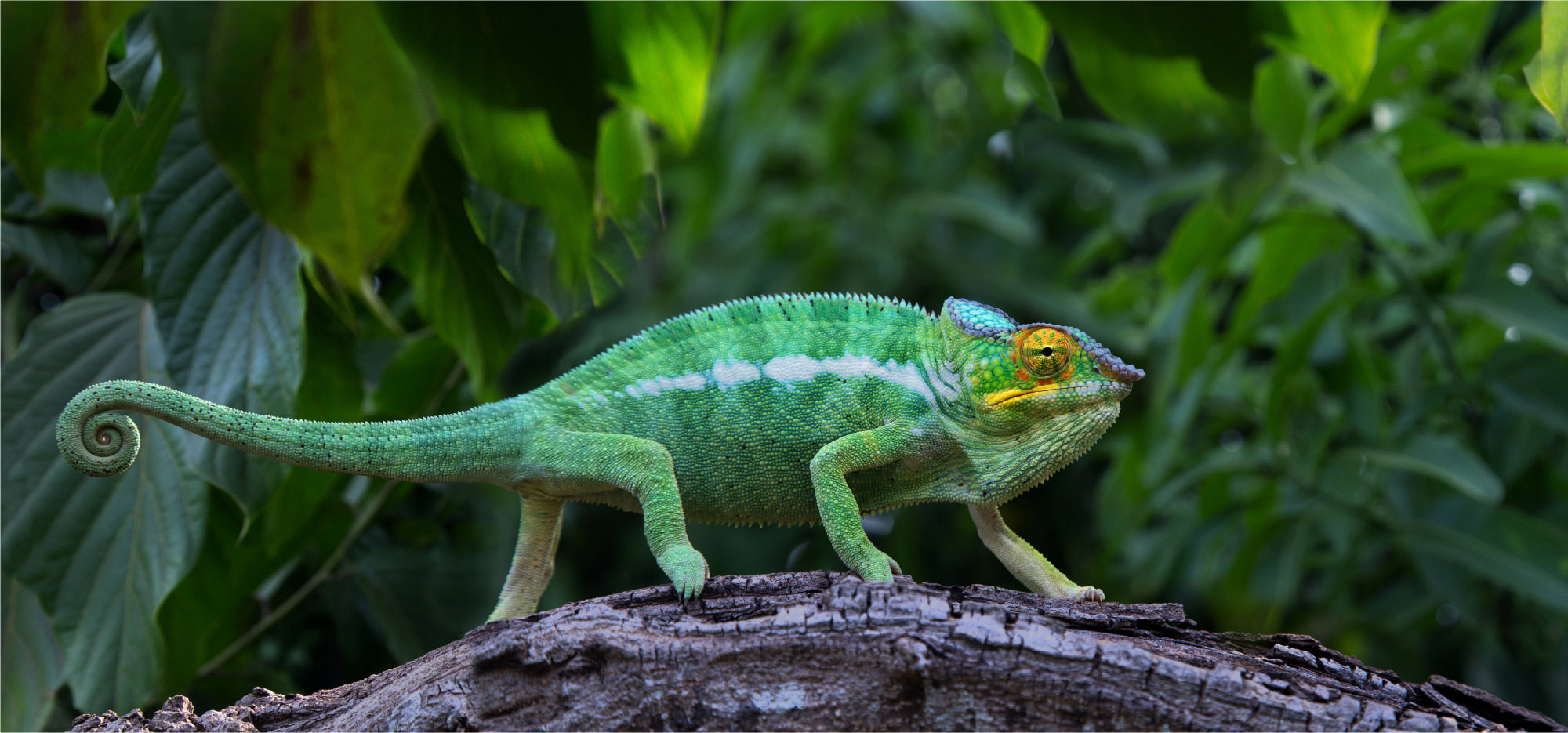
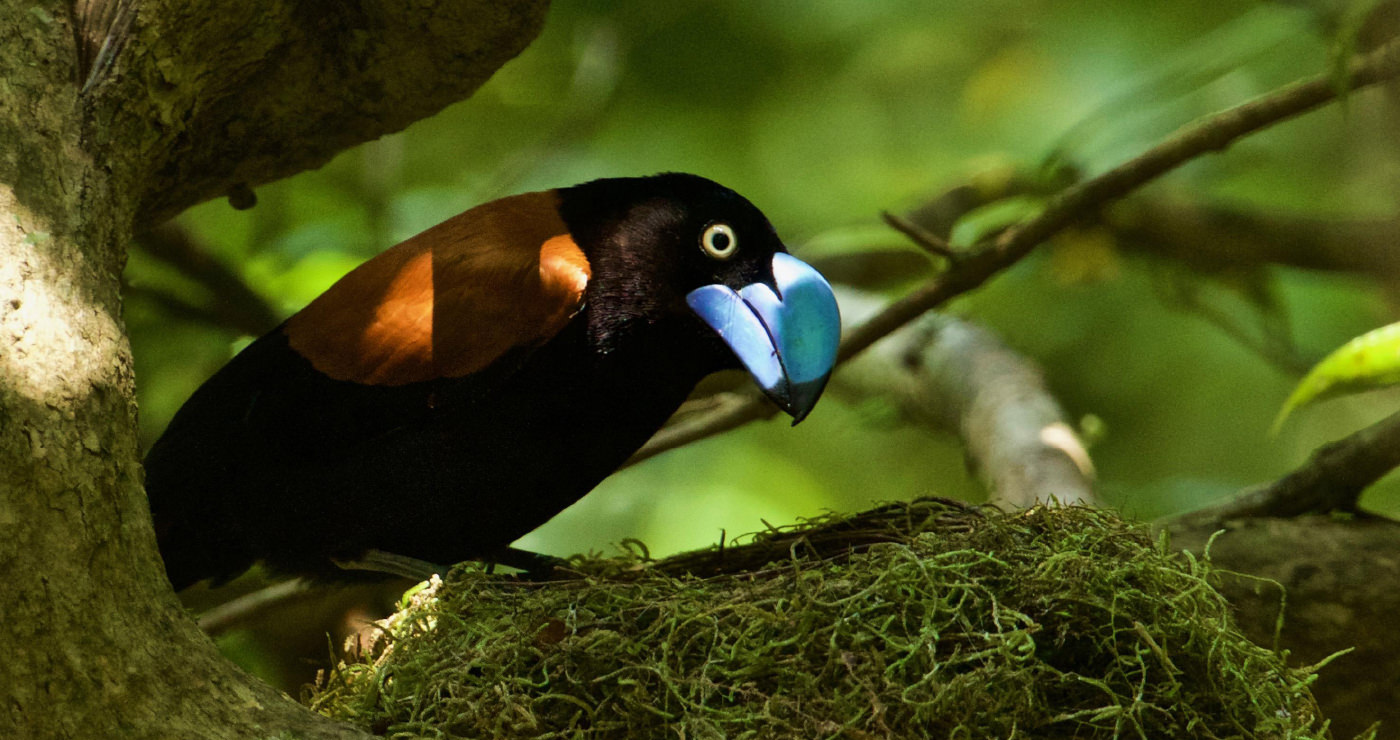
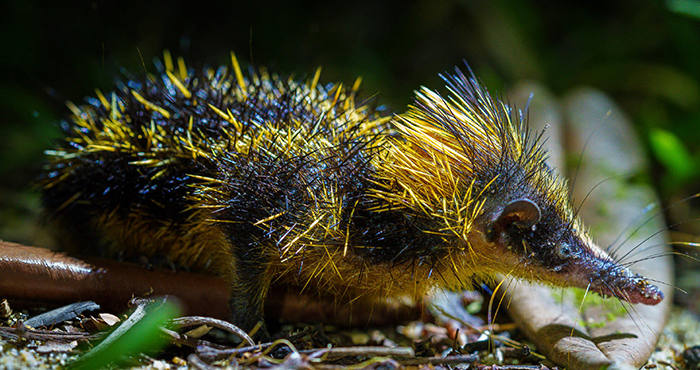
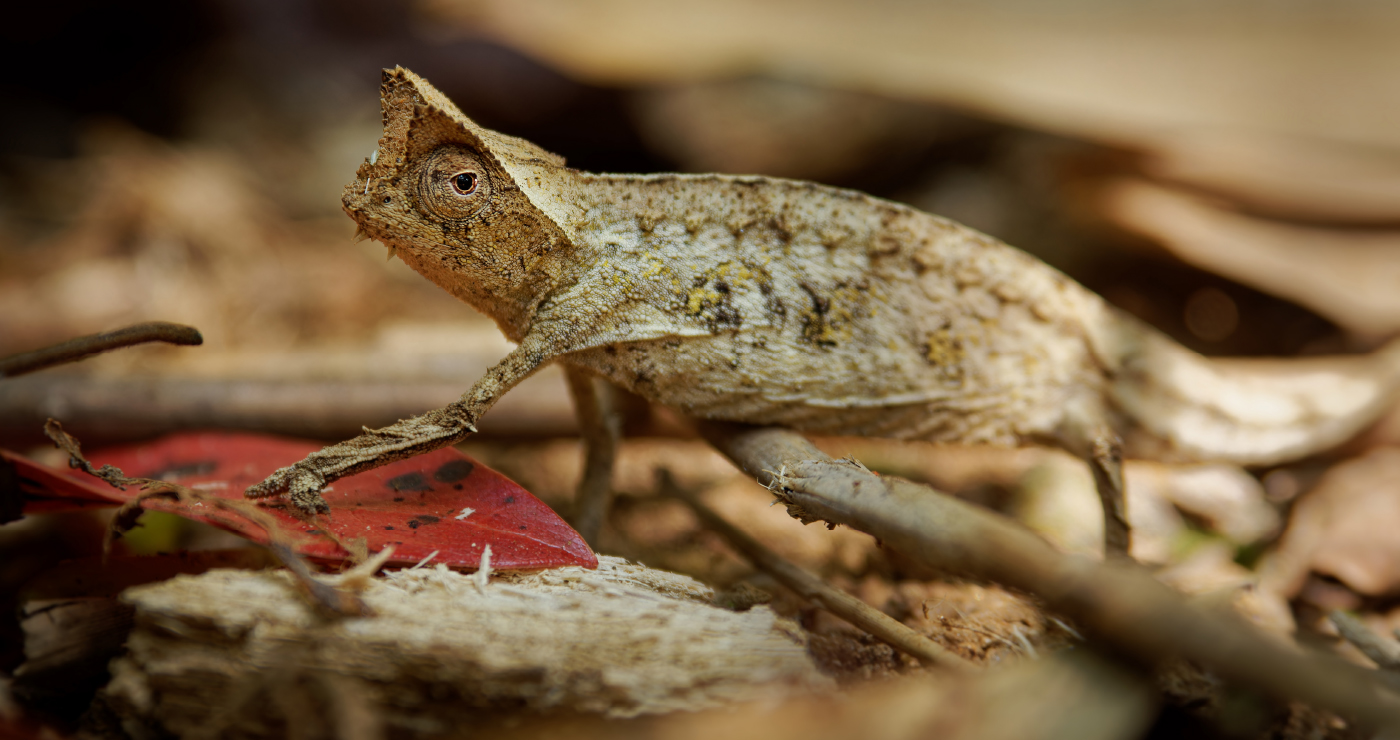
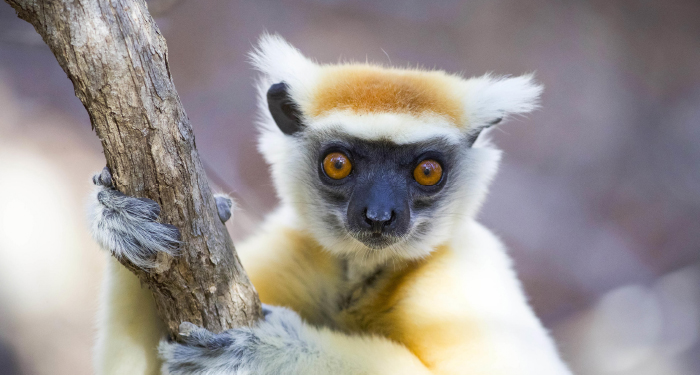
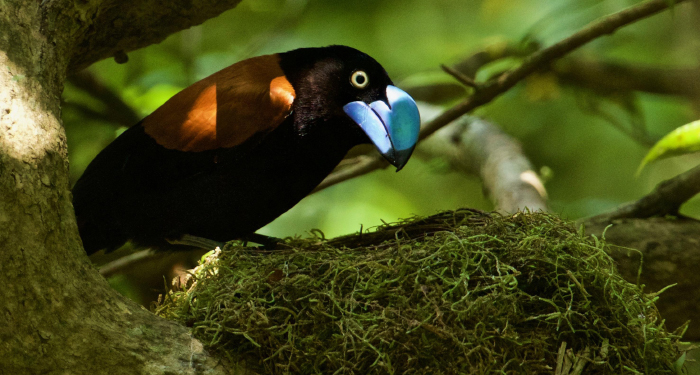
Madagascar is set apart by its profound biological uniqueness. Having evolved in isolation for millions of years, it is home to species found nowhere else on the planet, from lemurs and chameleons to an extraordinary diversity of plantlife.
 Shifting Seasons
Given Madagascar’s size and varied geography, there are important local considerations around climate and how it impacts travel. In general, May through October offers the most reliable and comfortable conditions for travel, with drier weather, cooler temperatures, and easier access to remote areas.
From November onwards, the green season brings heat, humidity, and heavier rains; which can make travel more complex. Forest trails can become muddy and more difficult underfoot, which may impact time spent on foot in search of lemurs, and photography can be more challenging with lower light and intermittent rain. That said, this is also when the island is at its most lush and vibrant.
 Enduring Icons
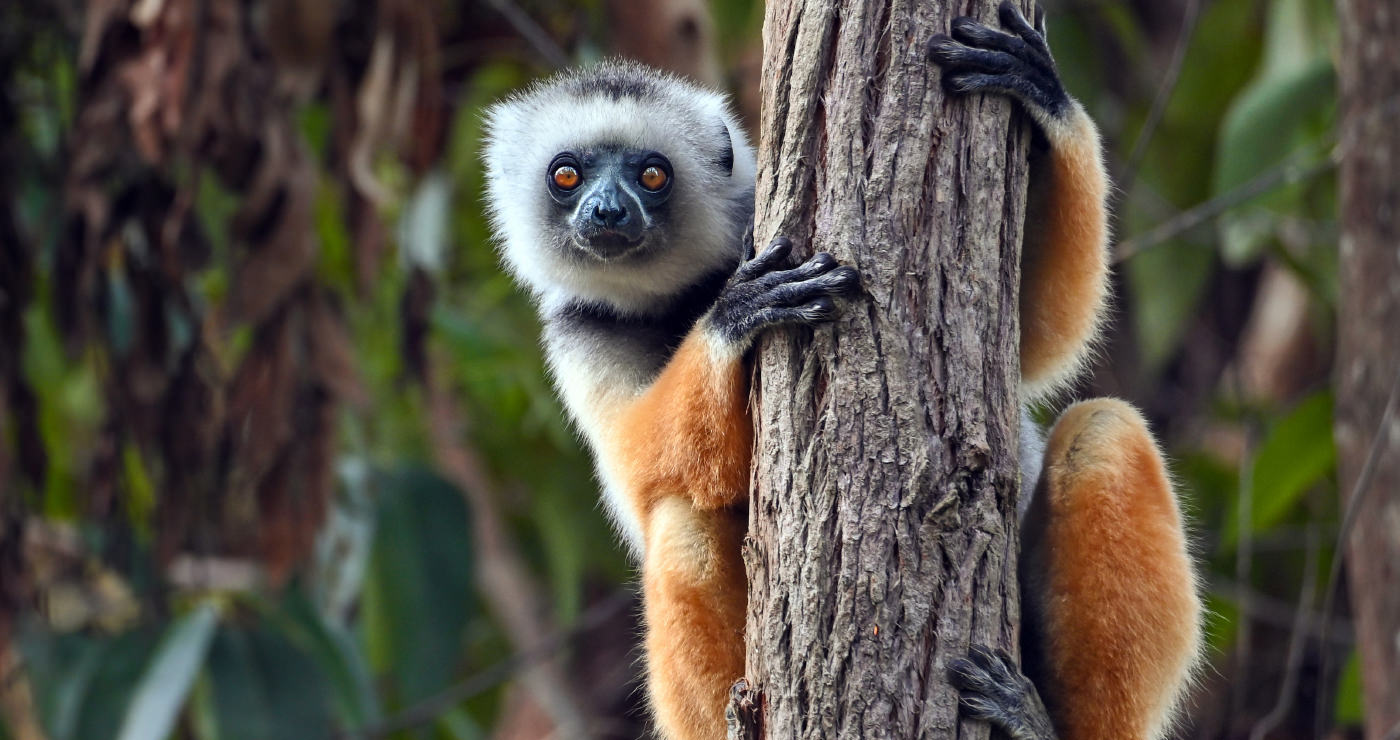
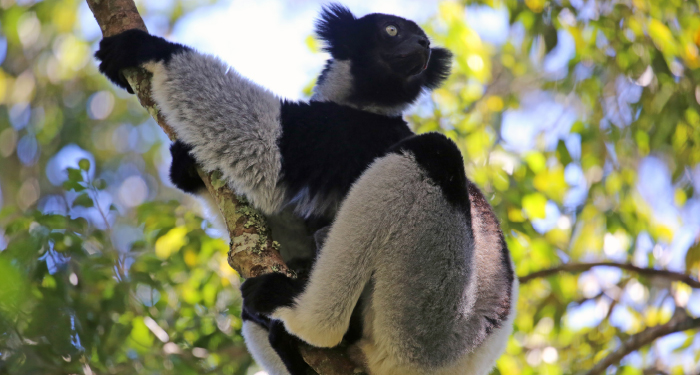
Andasibe ~ reached by road from Antananarivo, Andasibe is one of Madagascar’s most accessible primary rainforest regions and a rewarding foray to its unique biodiversity. The forests here are home to the indri, whose haunting calls echo through the canopy, as well as a remarkable variety of other primates, reptiles, insects, and birdlife.
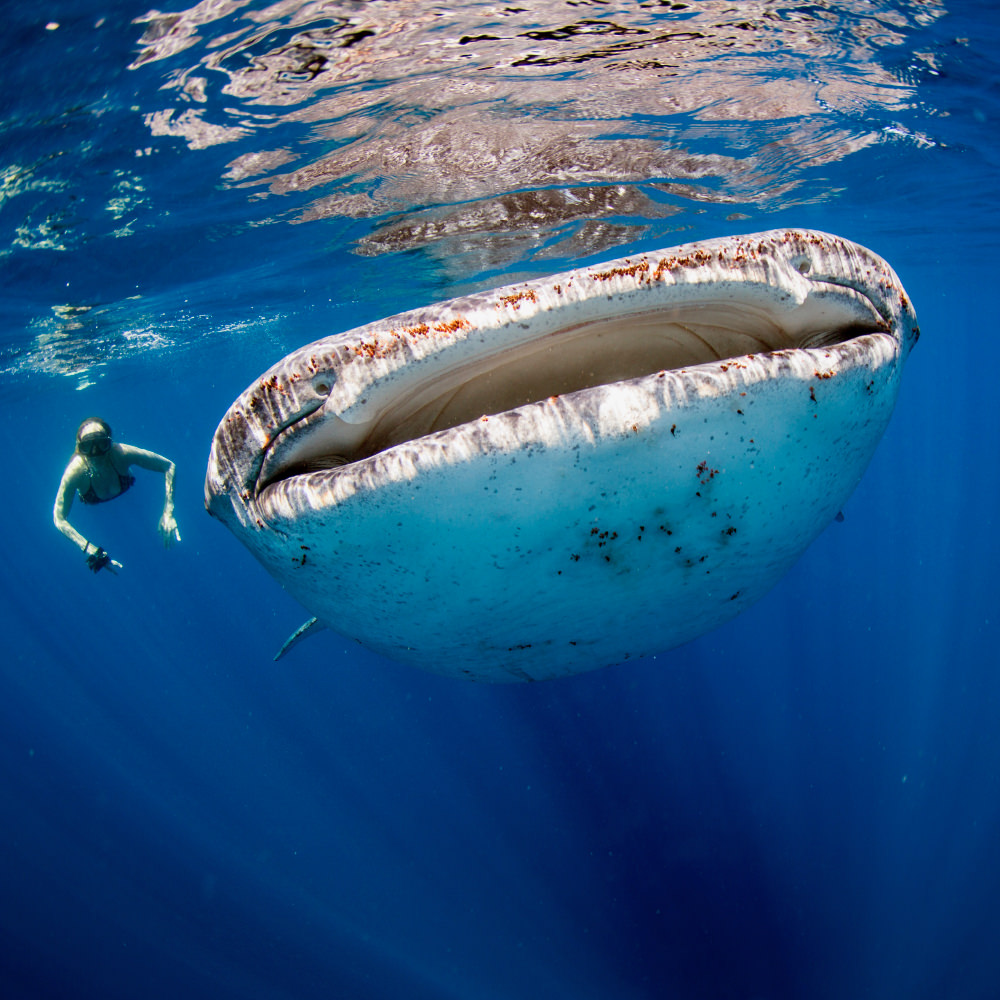
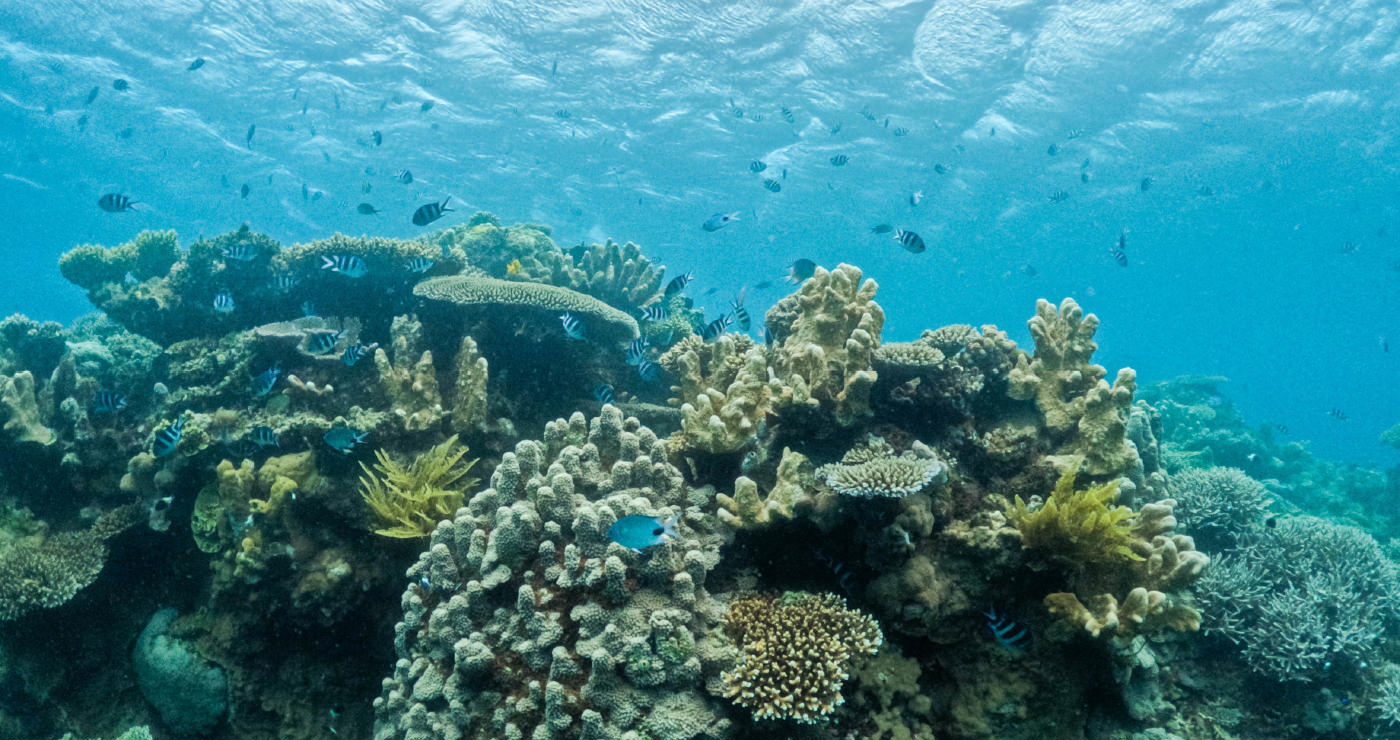
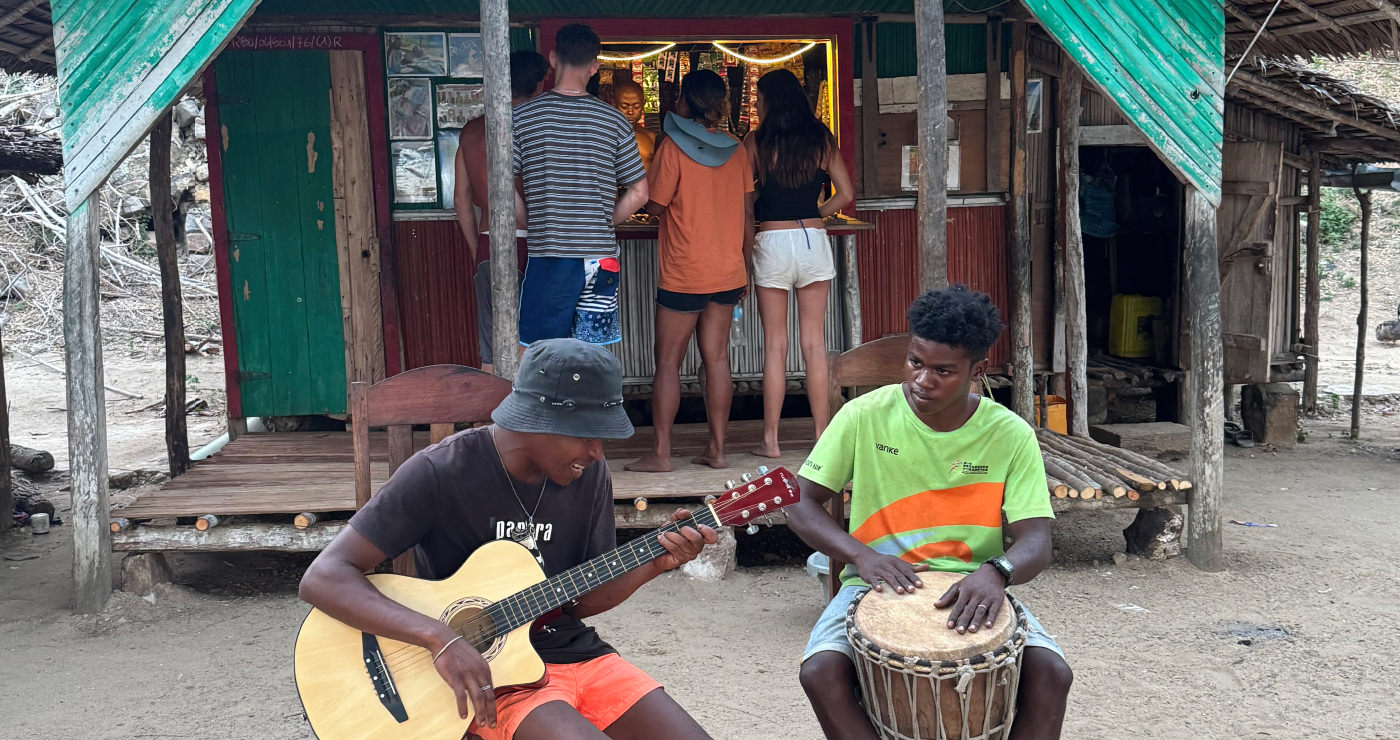
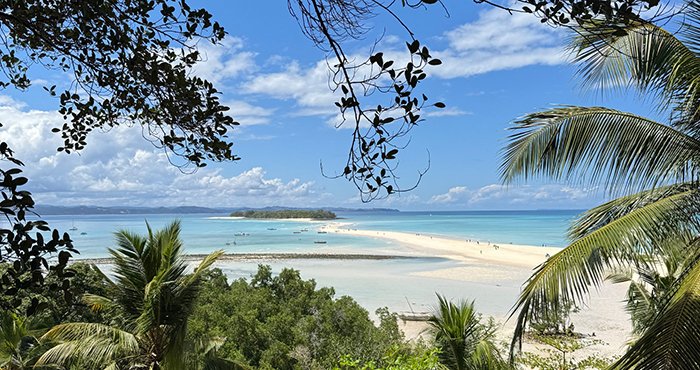
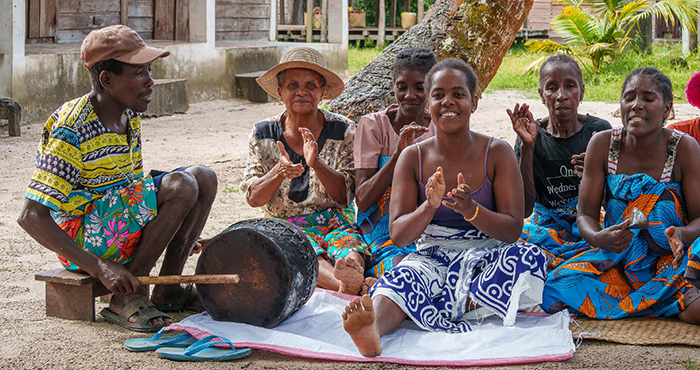
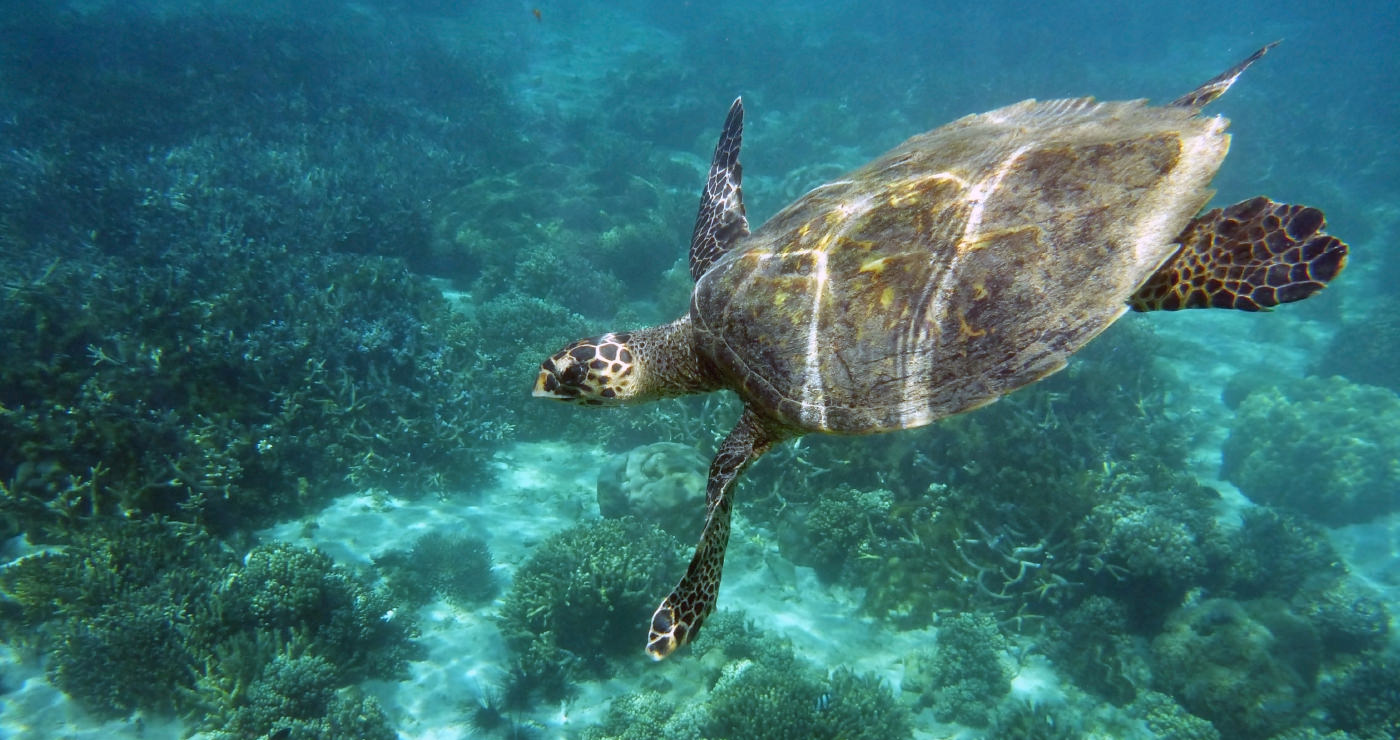
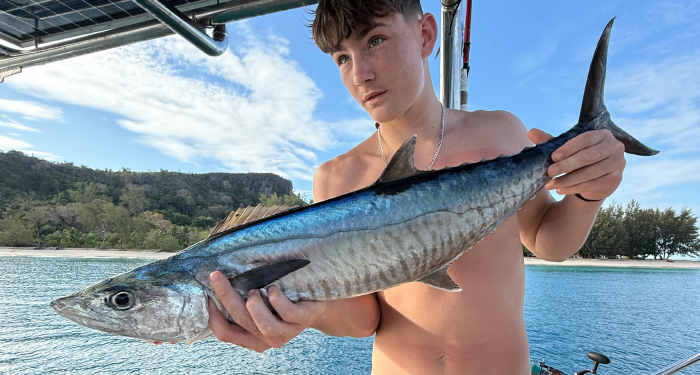
Nosy Be ~ a softer, coastal contrast to Madagascar’s forests… with warm seas and easy access to surrounding islets. The ideal place to unwind, with opportunities for snorkelling, diving, sailing, and seasonal whale and whale shark watching. Accessible pockets of forest harbour endemic wildlife, while the island’s friendly people, village life and bright colours create beautiful photos.
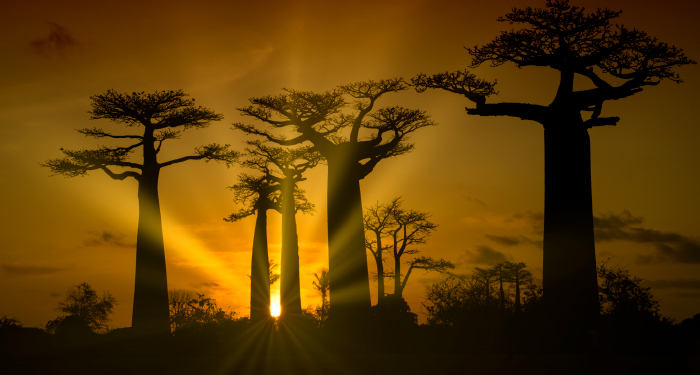
The Baobabs ~ iconic to western Madagascar, particularly the Avenue of the Baobabs, one of the island’s most striking landscapes. These ancient trees – sculptural and solitary – are best experienced in the early morning or late afternoon light when their forms are most dramatic. The surrounding region is dry and open, offering a very different perspective on Madagascar’s diversity.
 Quietly Exceptional
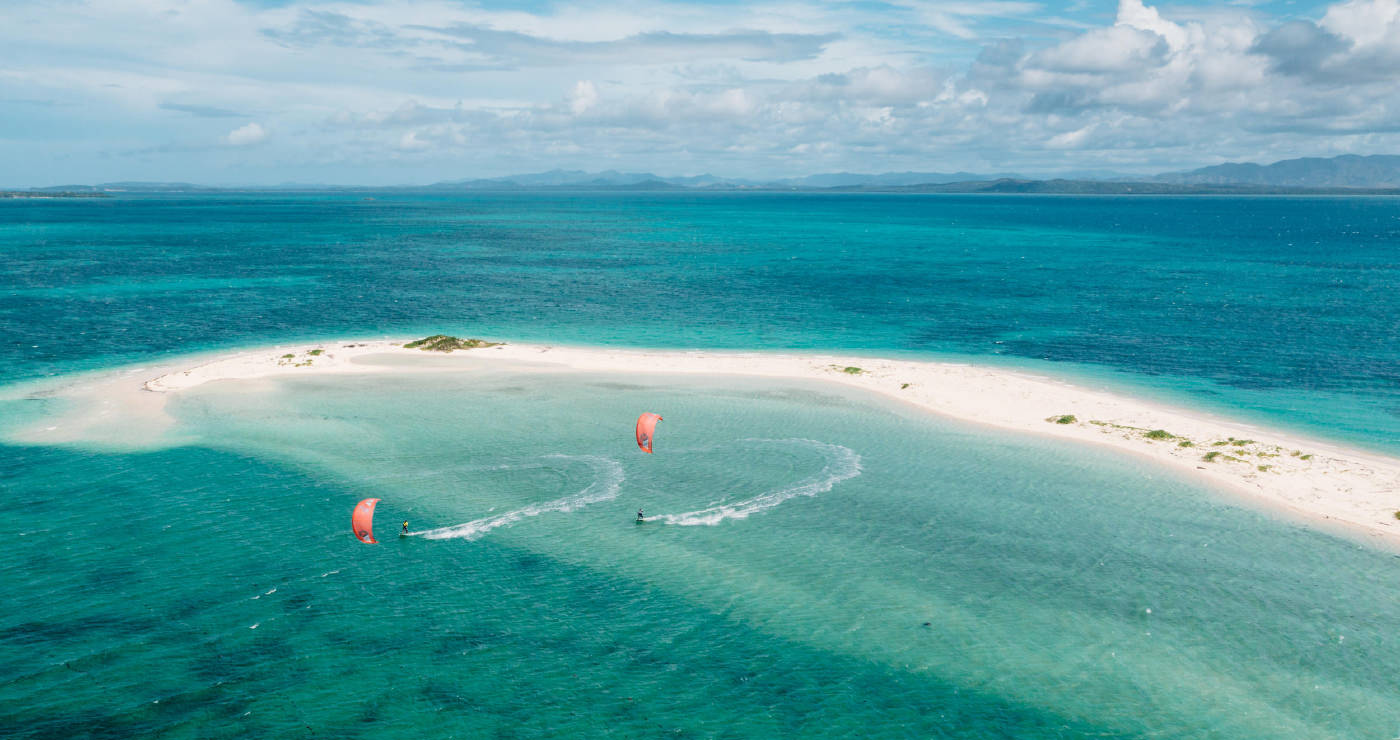
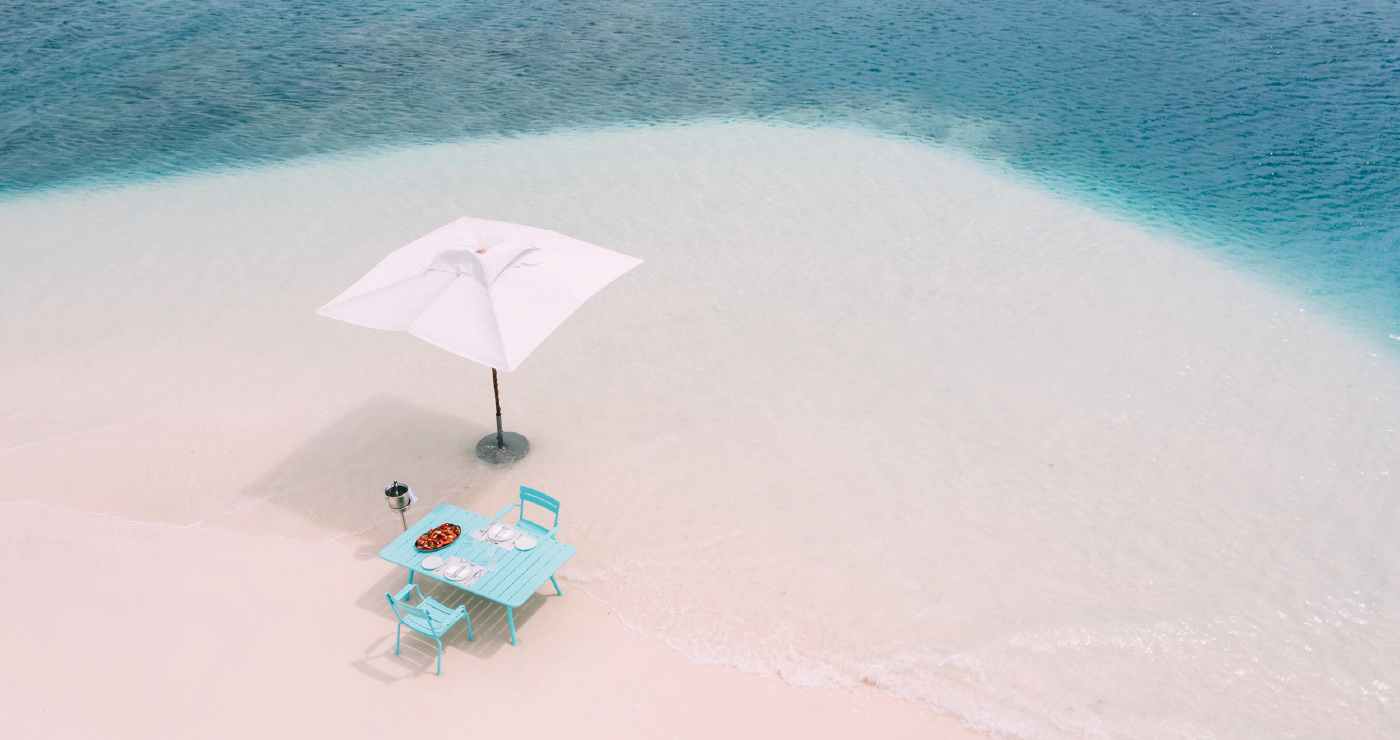
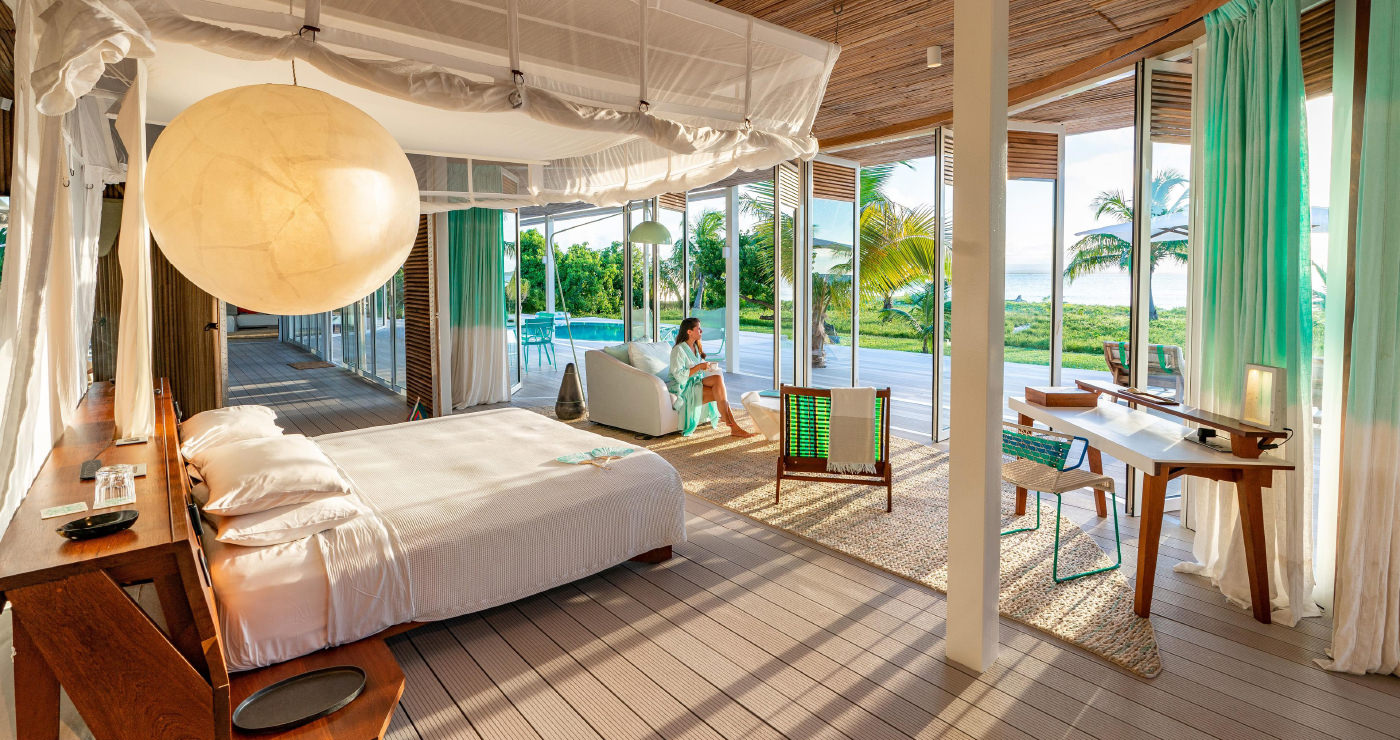
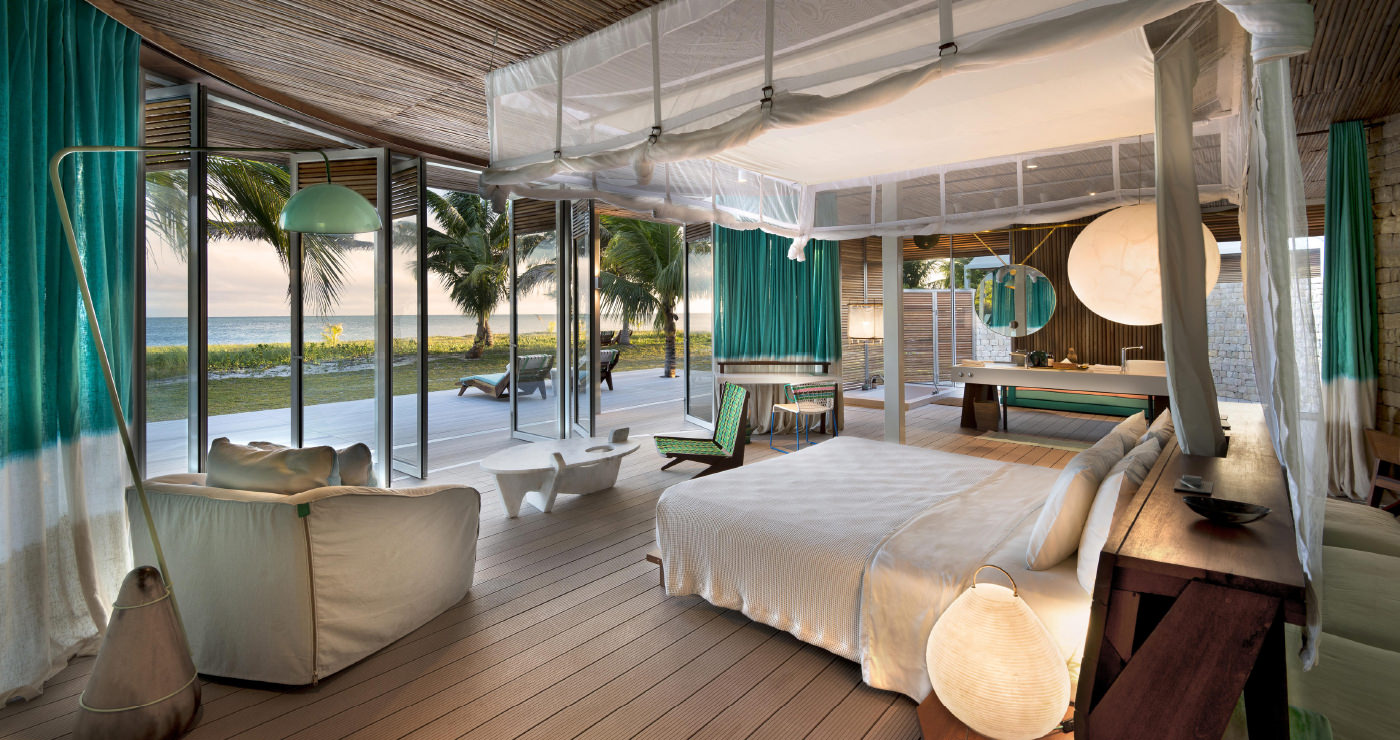
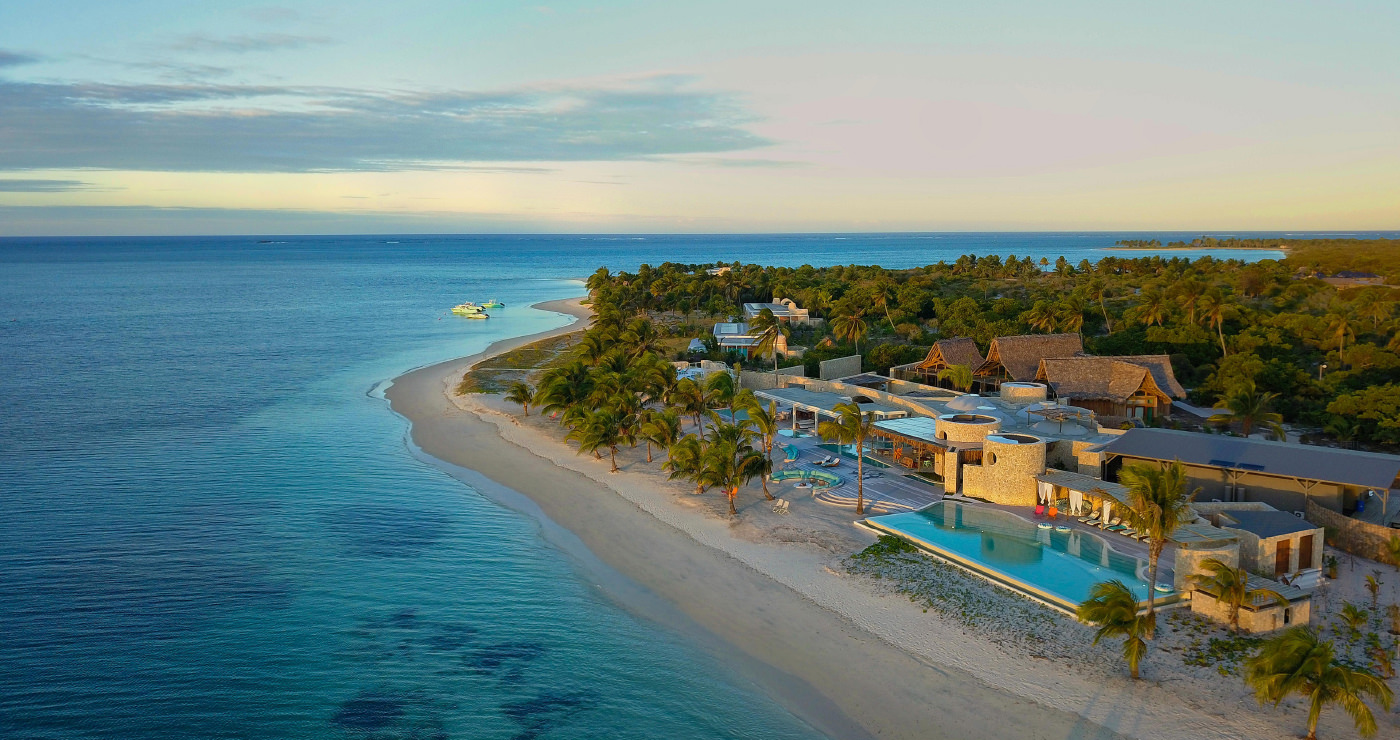
Miavana ~ on a private island off Madagascar’s north-east coast, Miavana offers an experience of rare seclusion and refinement in a truly remote setting. Surrounded by clear turquoise waters and vibrant coral reefs, it combines luxury with a deep connection to natural surroundings. By helicopter, guests can access parts otherwise difficult-to-reach, making it not only a very spoiling and private retreat, but a gateway to the island’s more remote and remarkable corners.
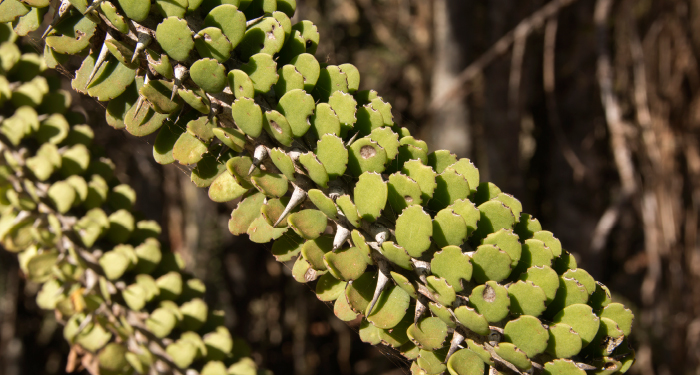
The Spiny Forest ~ in the far south lies a landscape unlike anywhere else on Earth. Defined by its arid climate and extraordinary plantlife, it is a place of strange silhouettes and deep cultural significance for the Malagasy. Endemic species have adapted in remarkable ways to survive here, creating a unique ecosystem that feels both stark and intricate. Travel is more remote, but deeply rewarding for something truly different.
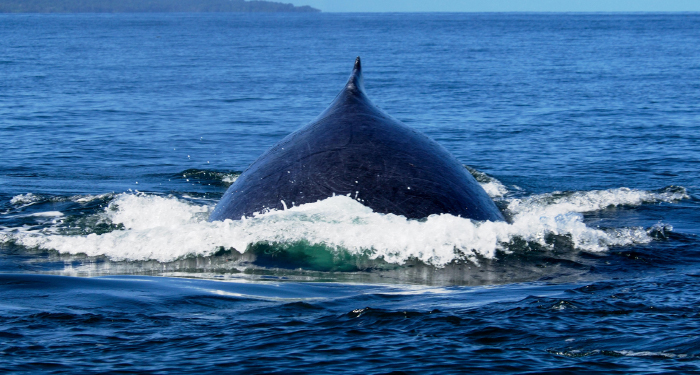
Île Sainte- Marie ~ off Madagascar’s east coast, is a tranquil and intimate island experience, defined by white beaches and quiet coves. Best known for its seasonal humpback whales, which migrate through these waters between July and September, often seen breaching just offshore. Beyond marine life, the island has a rich history shaped by pirates and trading routes. Soft light and laid-back atmosphere make it an ideal complement to time spent exploring Madagascar’s forests.
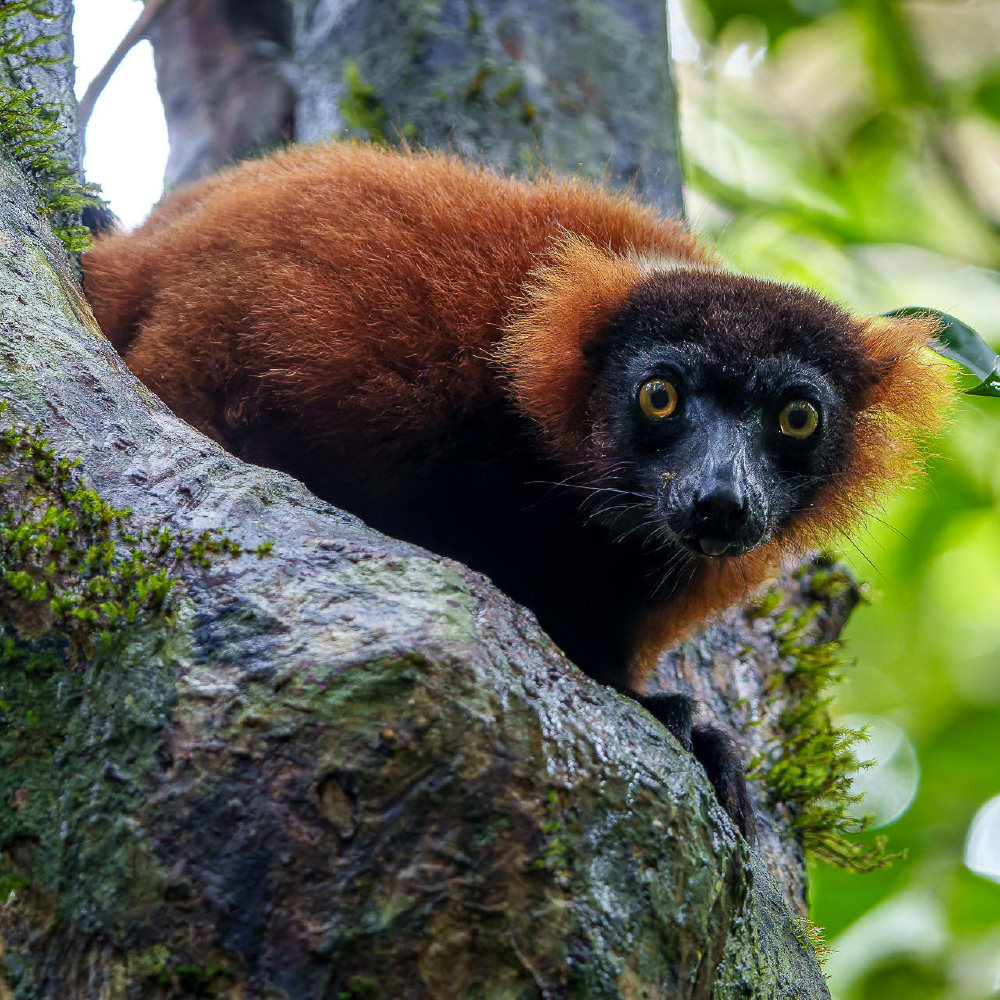
Masoala ~ remote and deeply immersive, the Masoala Peninsula protects Madagascar’s largest remaining tract of primary rainforest, where dense jungle meets the Indian Ocean. Accessed by boat, this is a destination with a true sense of expedition. Abundant wildlife is often encountered in extraordinary settings, from red-ruffed lemurs moving through the canopy to marine life just offshore. Pristine forest, untouched beaches, and remarkable biodiversity combine to make this one of the most compelling and rewarding regions in Madagascar, best enjoyed with time and a spirit of adventure.
Yet, it is also a place in peril, as its ecosystems are under increasing threat from deforestation and habitat loss, making what remains both precious and fragile. To travel here is to experience one of the world’s last great natural laboratories…
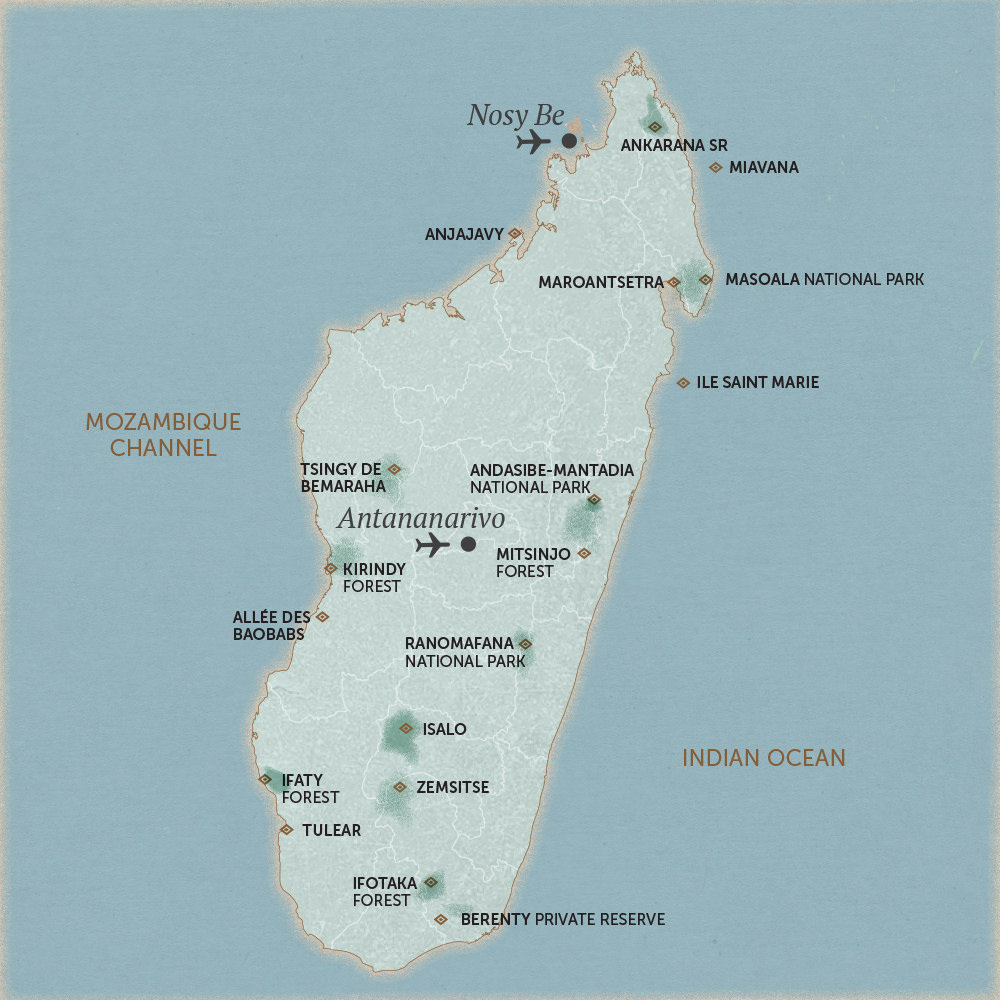
Madagascar can be accessed via international flights into Antananarivo, the capital, as well as through direct arrivals into Nosy Be, which is a gateway for journeys focused on the north. Owing to its scale and infrastructure, travelling within Madagascar calls for thoughtful planning and a flexible approach, as distances are significant and travel times can be longer than expected.
Moving around typically involves a combination of light aircraft and road transfers. Air travel is often the most practical way to reach more remote regions, including the far north, south, and west; while journeys by road, though slower, offer a more intimate perspective of the country’s landscapes and daily life.
Madagascar is not a destination that reveals itself in a single journey. Its extraordinary landscapes, wildlife and cultures have a way of drawing people back, time and again. Whether this is your first visit or your fourth, there is always something new to discover.