

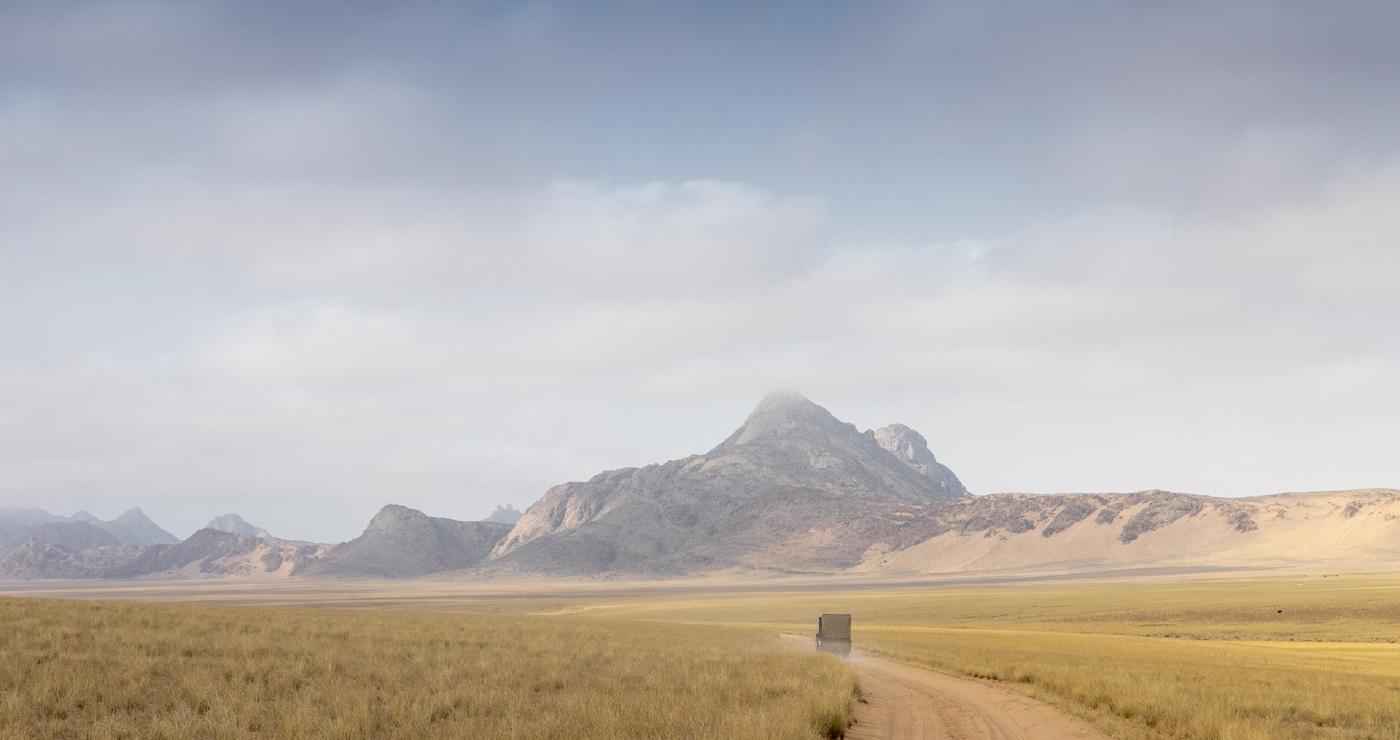
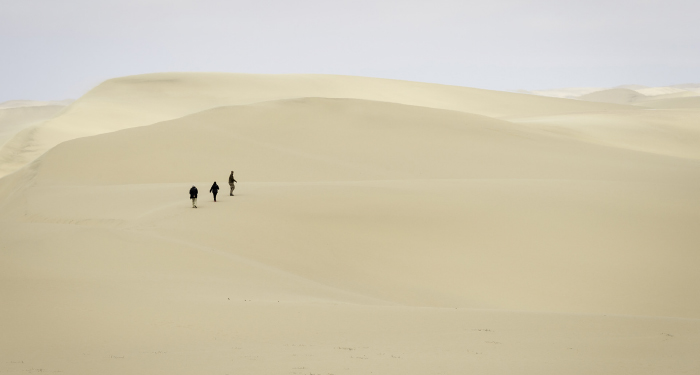
Pastel-tones and soft light are what first captivate your senses. Even among Africa’s great landscapes, Namibia’s vast vistas have unusual clarity… reaching far into the distance and exuding a deep sense of restoration. Desert-adapted wildlife and plants have evolved to survive these extremes, alongside the people whose cultures and histories are deeply rooted in the land.
 Shifting Seasons
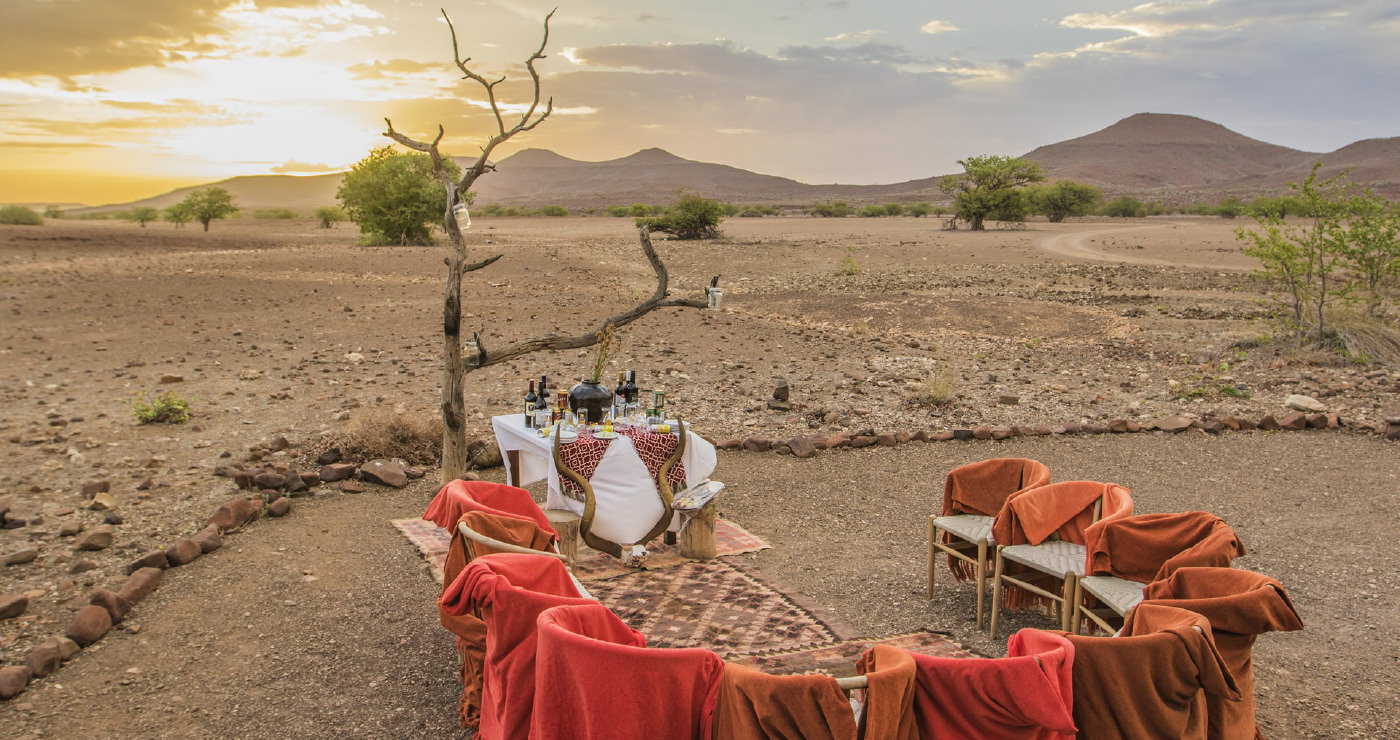
Namibia can be visited throughout the year, provided you’re prepared for the intensity of summer heat. The warmer months bring high temperatures, particularly in the interior, but they also offer dramatic skies, fewer visitors and a sense of the country at its most elemental. Certain regions, notably Etosha National Park, are at their best during the dry winter months, when water becomes scarce and wildlife congregates around permanent waterholes, allowing for consistently rewarding game viewing.
 Enduring Icons
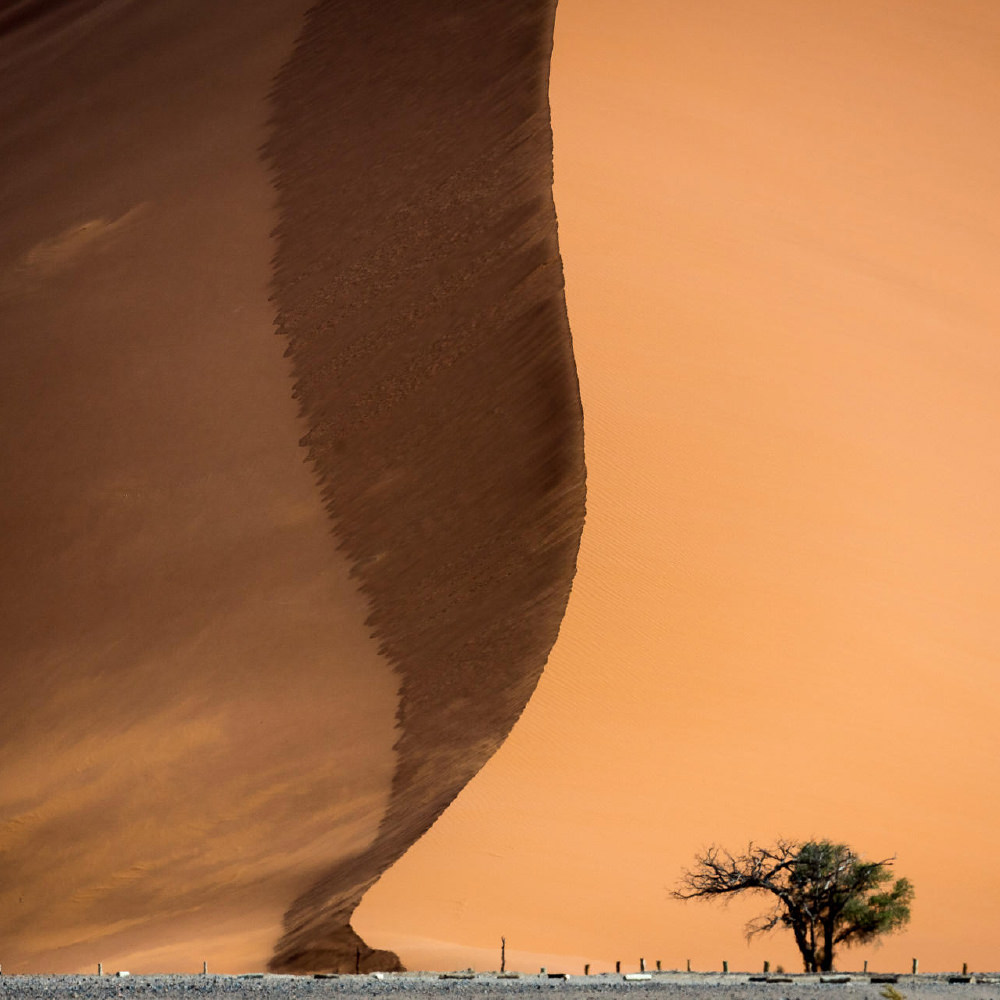
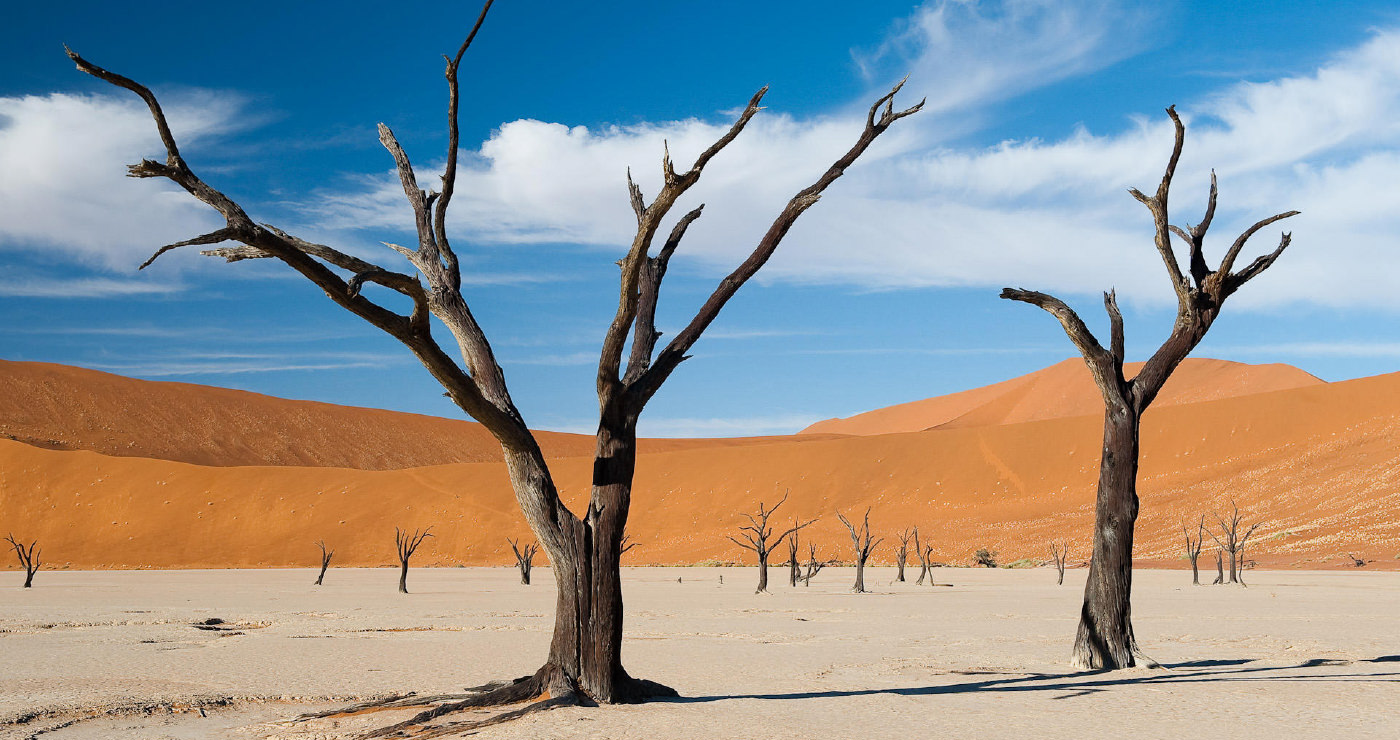
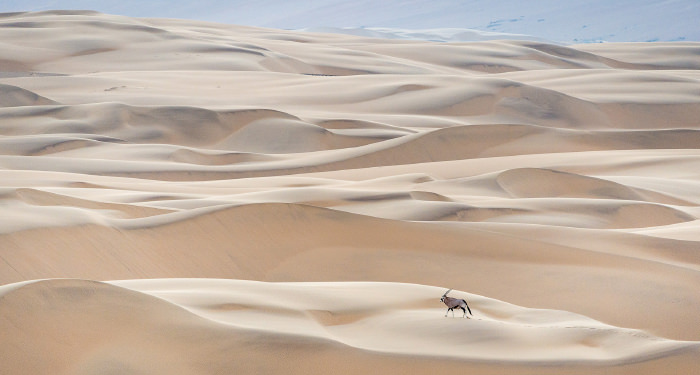
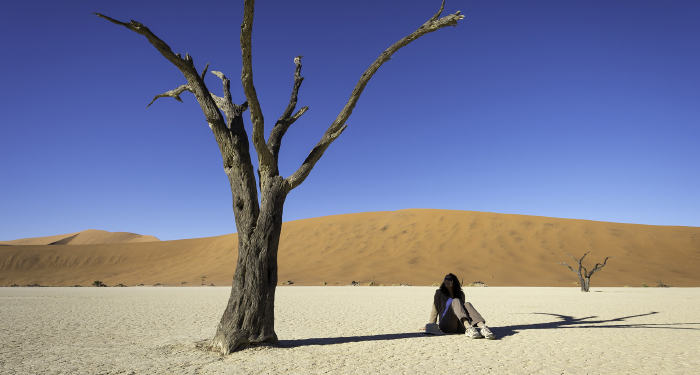
Sossusvlei and Deadvlei ~ a landscape of striking contrasts, where towering apricot dunes rise against stark white clay pans. In Deadvlei, ancient camelthorn trees stand preserved in time, their dark silhouettes set against the bleached earth and vivid sky. The light here is ever-changing, shaping one of Africa’s most iconic and visually arresting desert scenes.
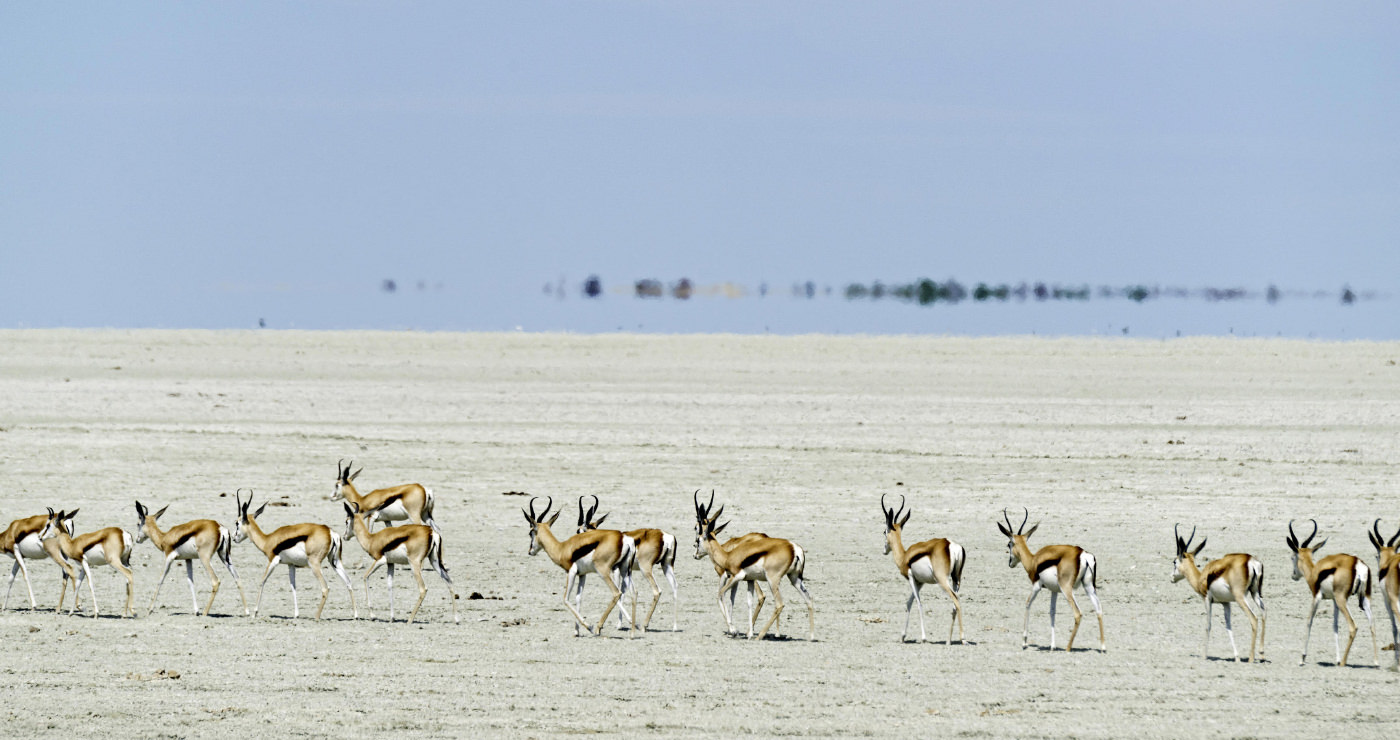
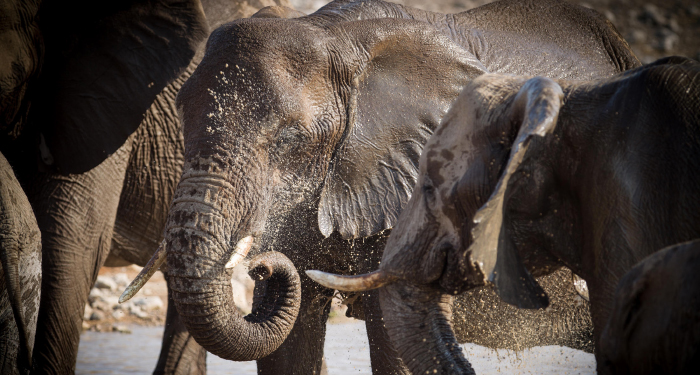
Etosha National Park ~ centred around a vast, shimmering salt pan, Etosha offers a distinctive safari experience. Wildlife congregates at the network of waterholes, particularly in the dry season, allowing for exceptional and often close-up viewing. The open terrain and stark beauty of the park create a sense of space, while still delivering consistently rewarding game sightings.
The Skeleton Coast ~ raw and elemental, defined by its remoteness and moody atmosphere. Atlantic fog rolls inland over windswept beaches, where shipwrecks lie half-buried in the sand and seals gather along the shore. Along the coast, you may see cormorants, flamingos and pelicans feeding where the cold Benguela current meets the shore. It is a place of striking beauty, where the meeting of ocean and desert feels both dramatic and deeply evocative.
 Quietly Exceptional
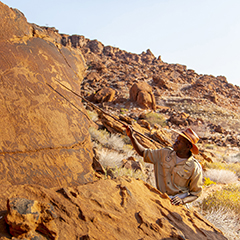
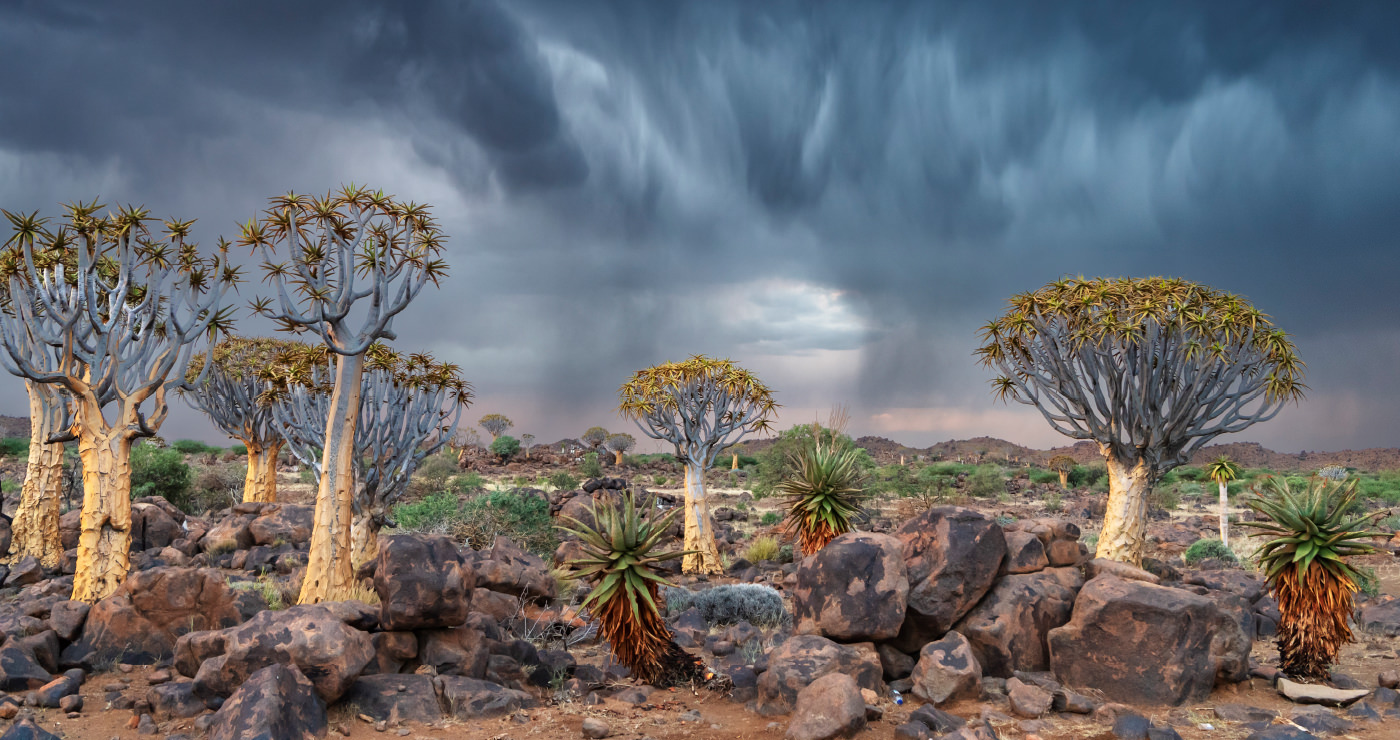
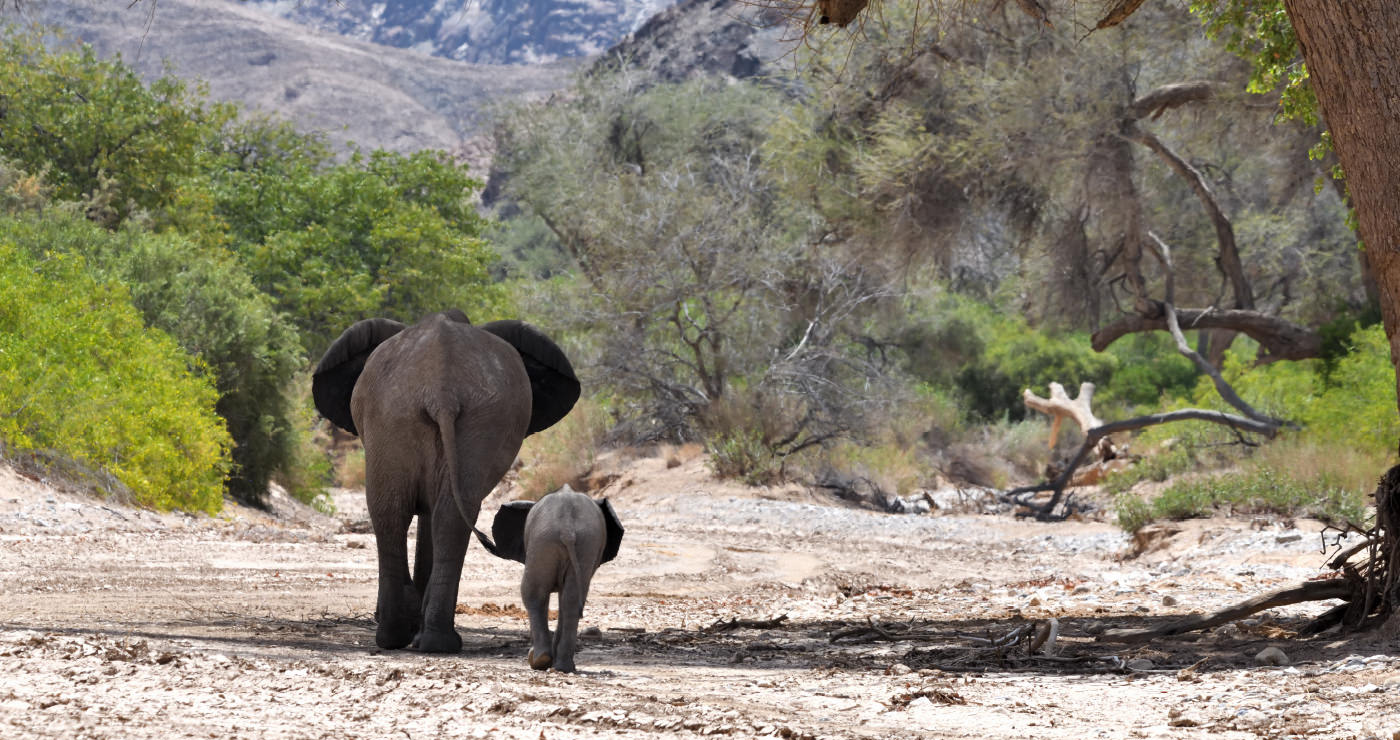
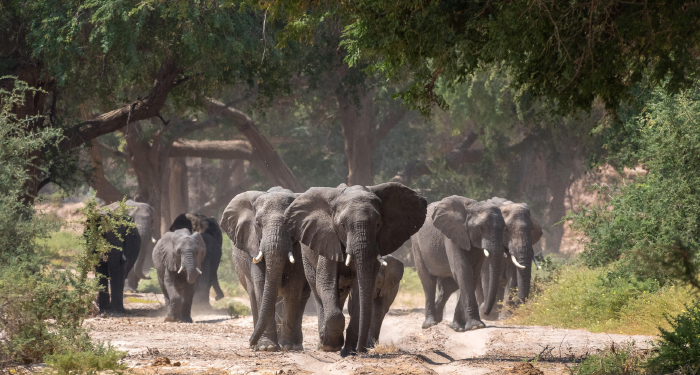
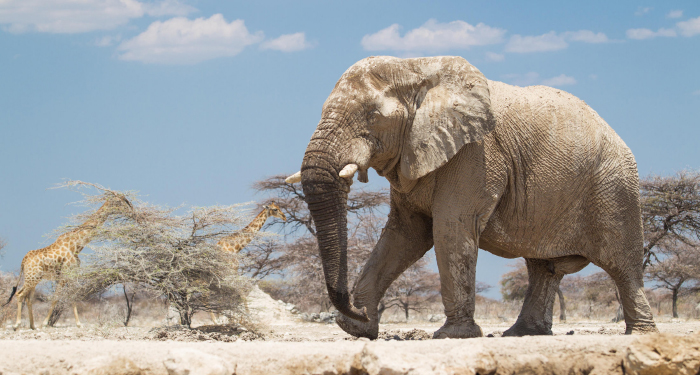
Damaraland ~ is home to desert-adapted elephants and elusive black rhino, with privately managed conservation initiatives that not only protect these species but allow for a considered and meaningful wildlife experience. Time spent here offers insight into both the animals themselves and the dedicated teams working to safeguard them. The region is further enriched by remarkable geological and cultural features, including the highest point in Namibia the Brandberg, and ancient rock engravings of Twyfelfontein.
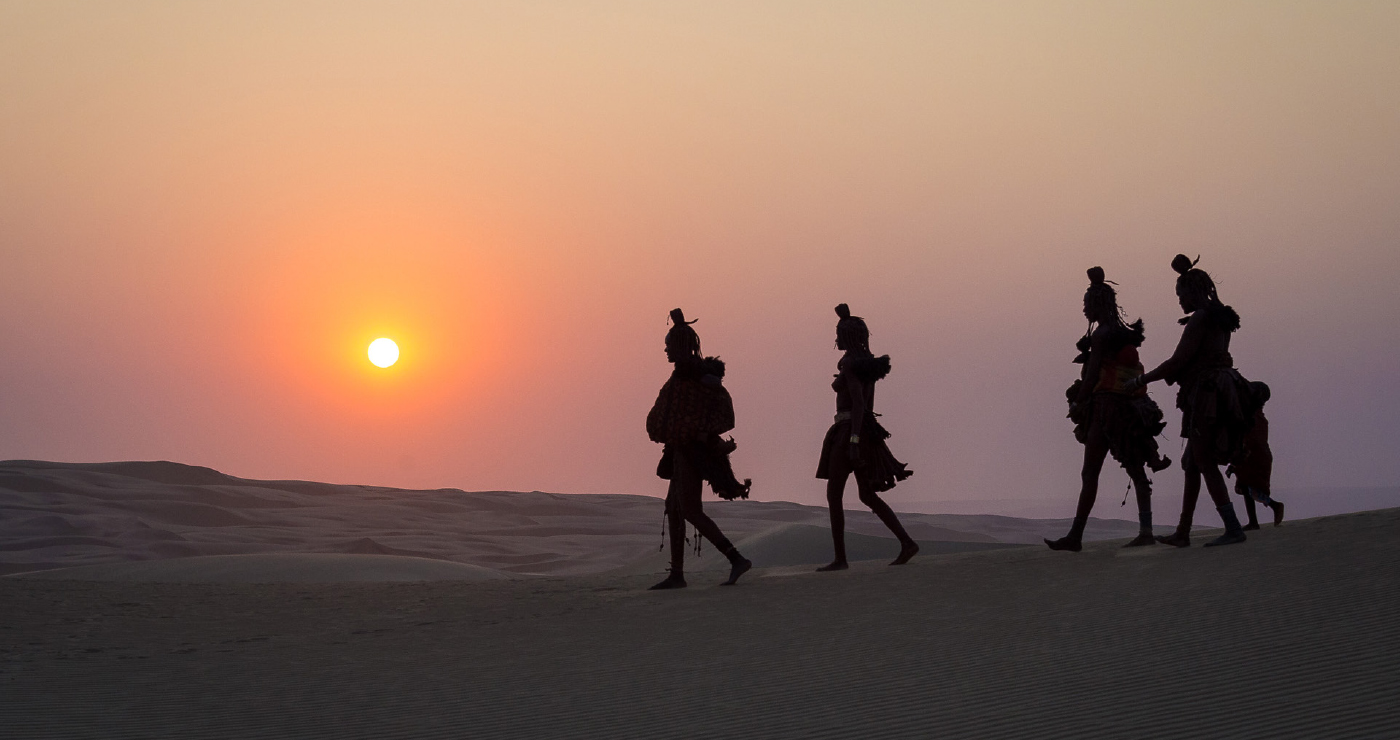
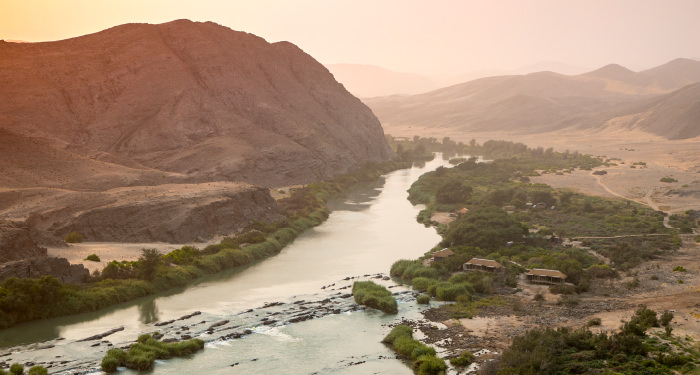
The Kunene region ~ In Namibia’s far north, the Kunene region offers a deeper sense of remoteness and cultural richness. This is Himba country, where traditional ways of life remain largely unchanged. The landscapes are stark yet beautiful, defined by rugged mountains and arid plains, yet unexpectedly softened by the presence of the Kunene River.
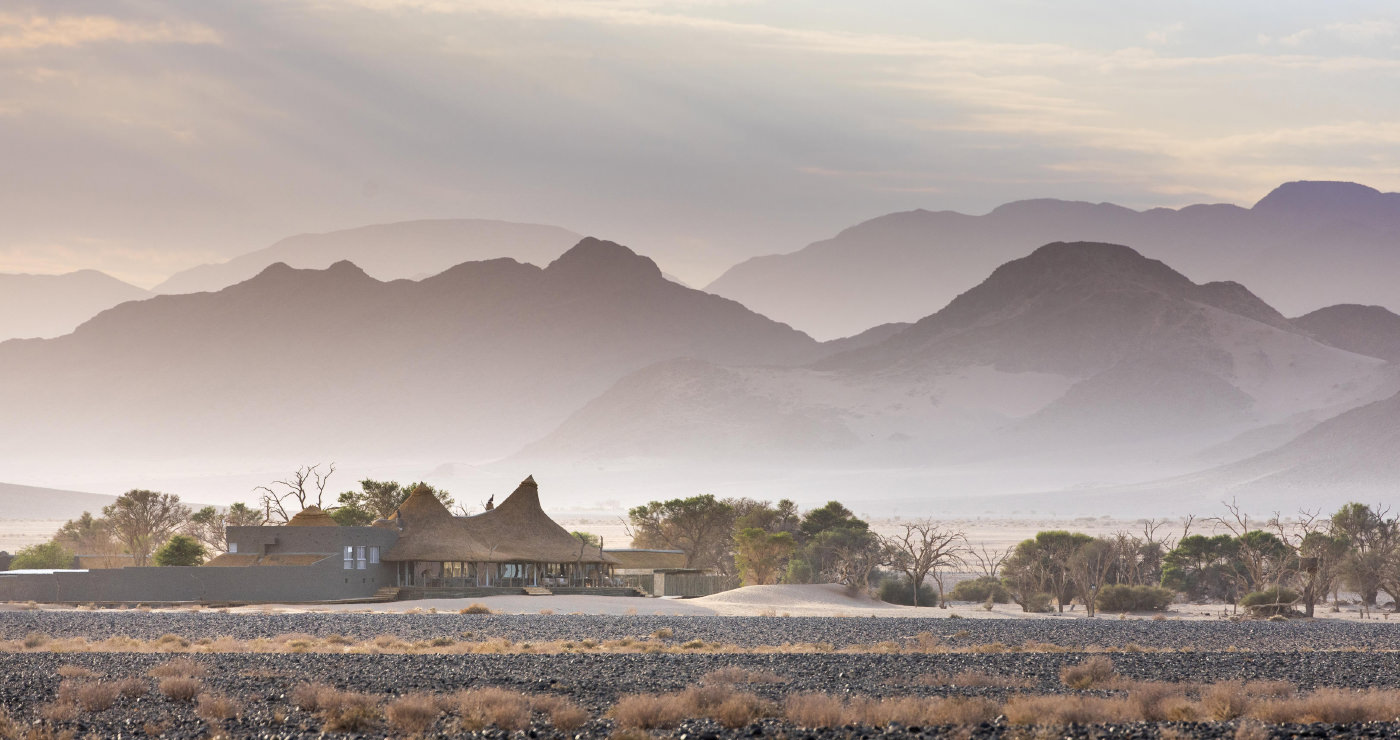
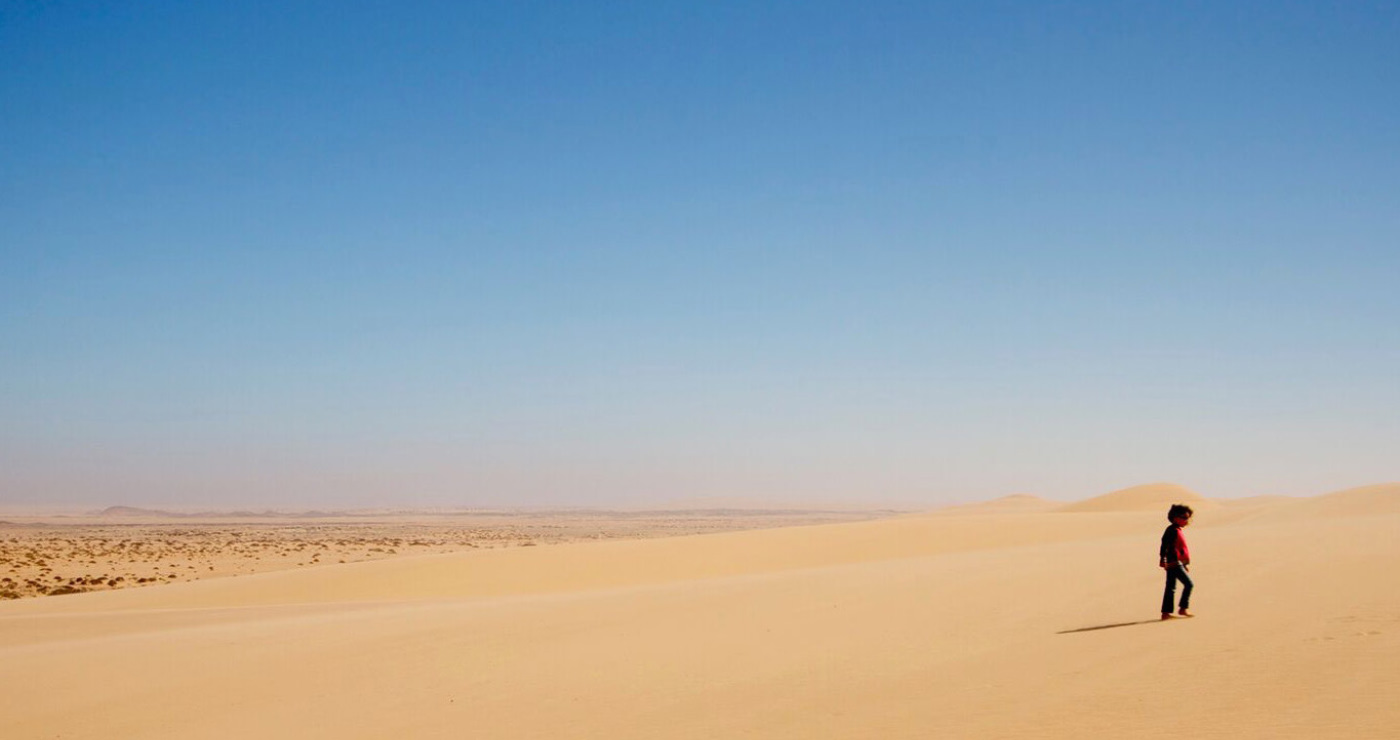
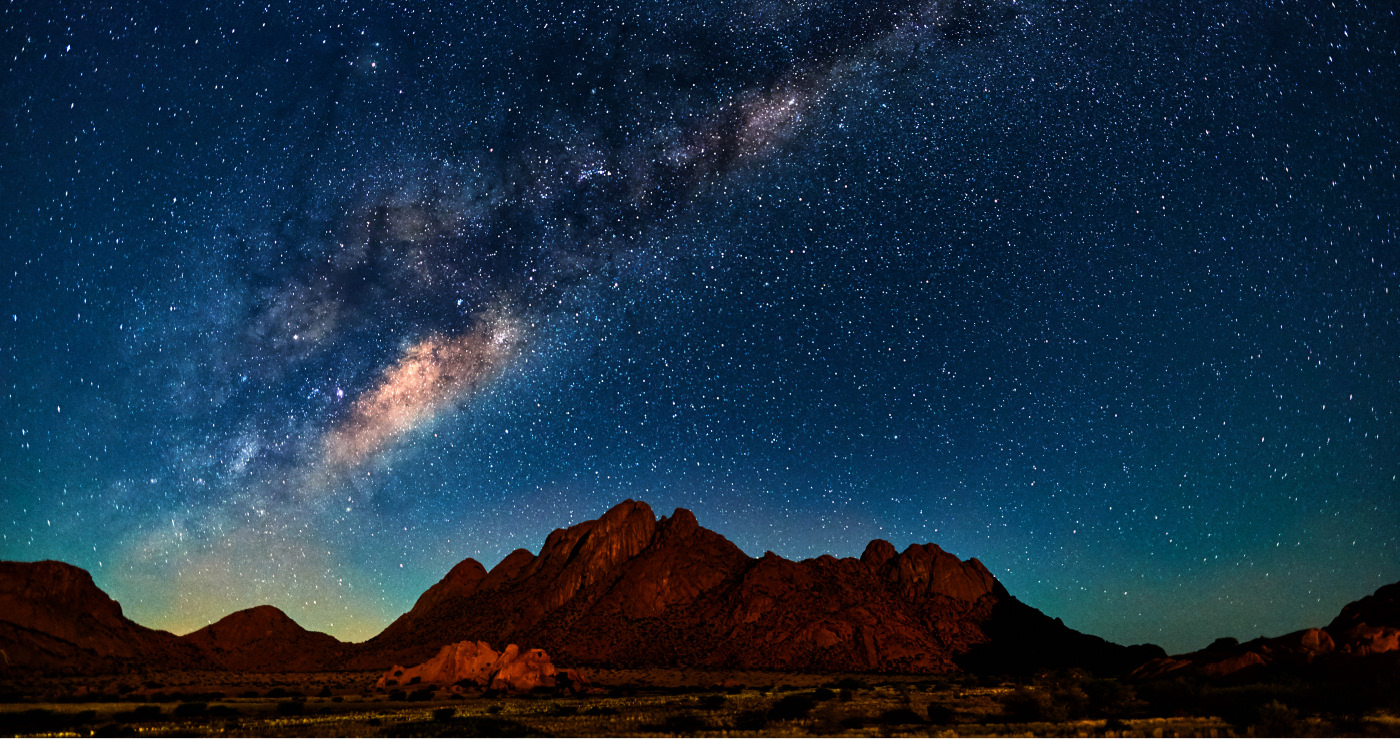
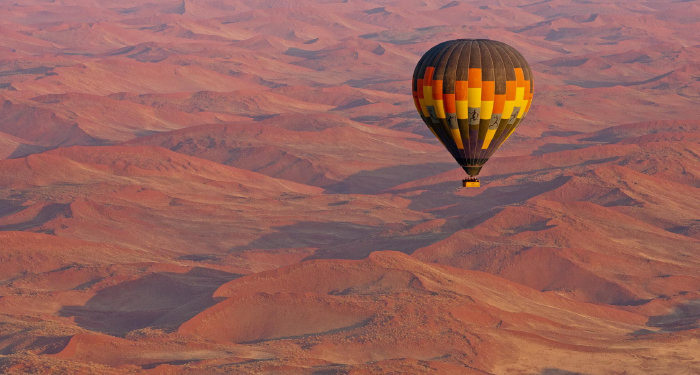
The NamibRand Nature Reserve ~ a private reserve dedicated to conservation, NamibRand is defined by its vast open spaces and remarkable tranquillity. With minimal light pollution, the night skies are extraordinary, offering some of the best stargazing in the world. By day, rolling dunes and open plains create a soft, almost dreamlike desert environment where silence and space take centre stage.
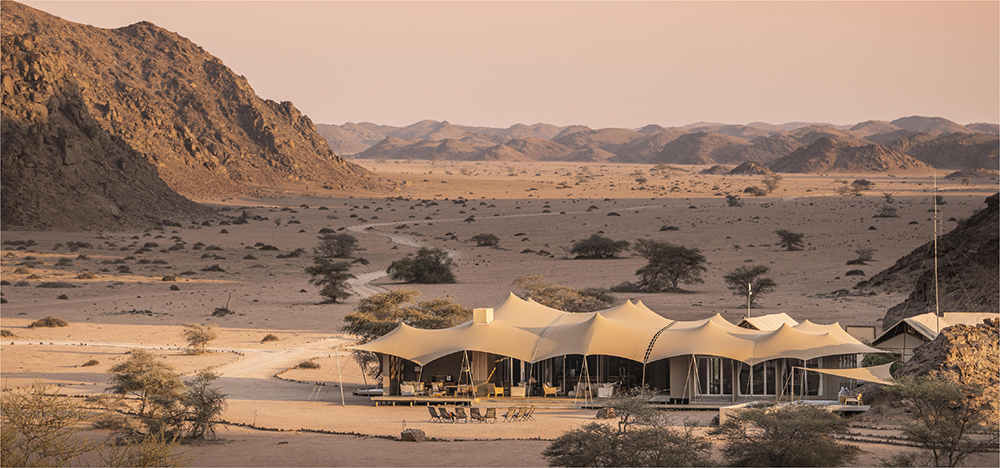
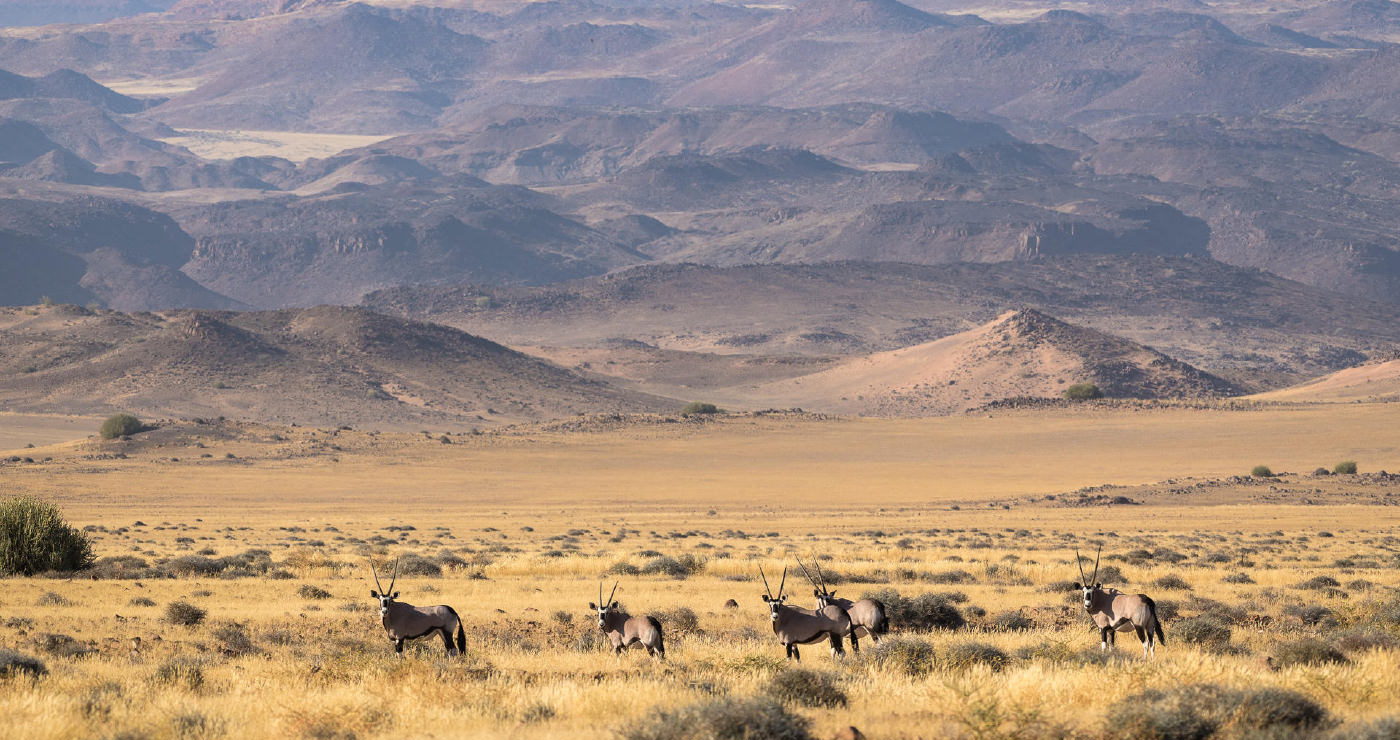
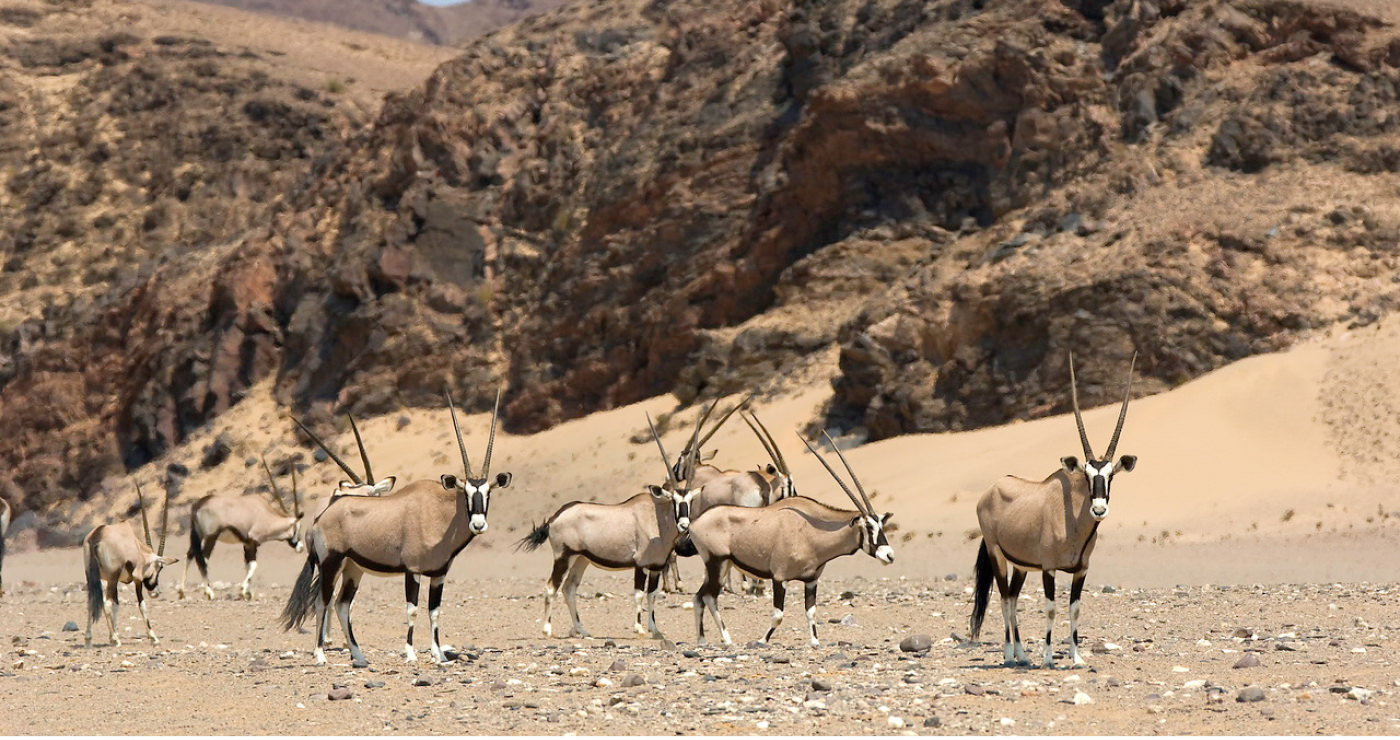
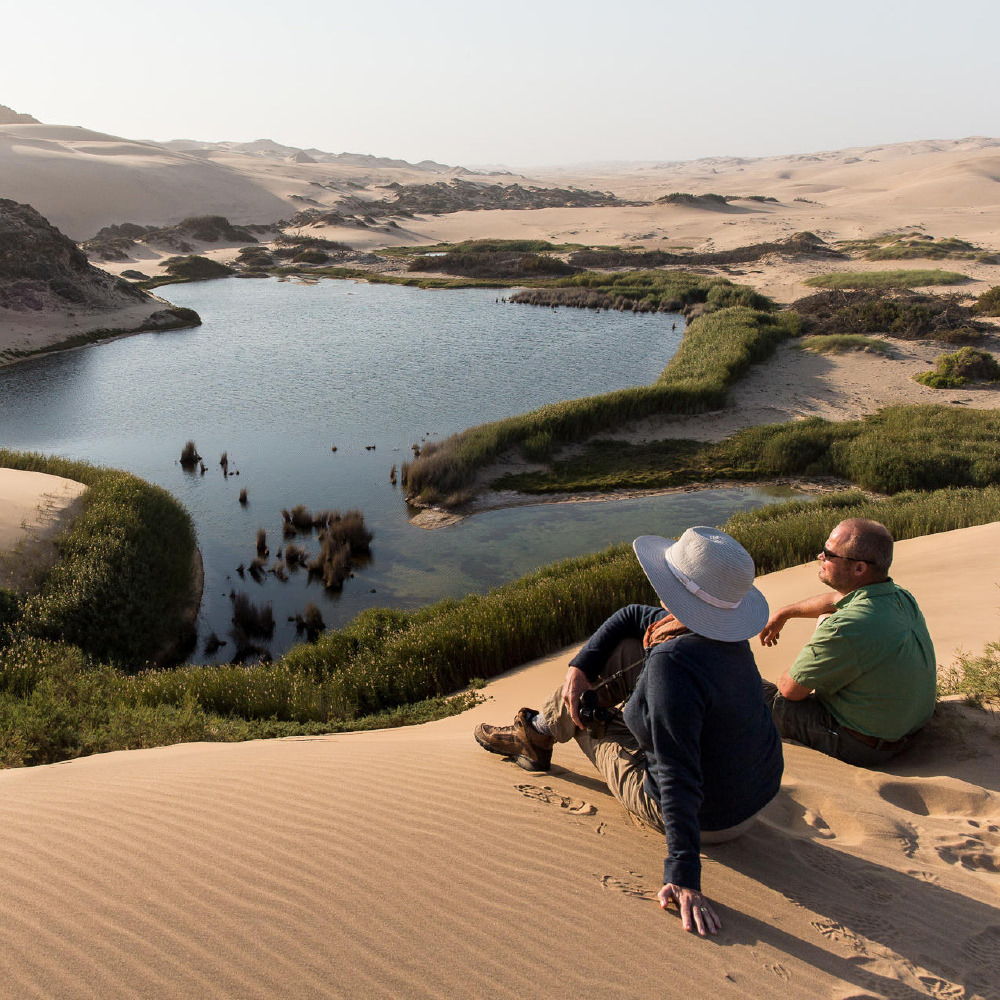
Hoanib ~ set within the remote Hoanib region, this is a landscape shaped by dry riverbeds and pockets of unexpected life. Desert-adapted elephant move quietly along the Hoanib River, alongside oryx and other resilient species drawn to the scarce water sources and occasional oasis. It is a place that invites a pioneering spirit and a sense of adventure, made all the more personal by Deborah’s role as part of the original team who first mapped and shaped the experiences in this remarkable region.
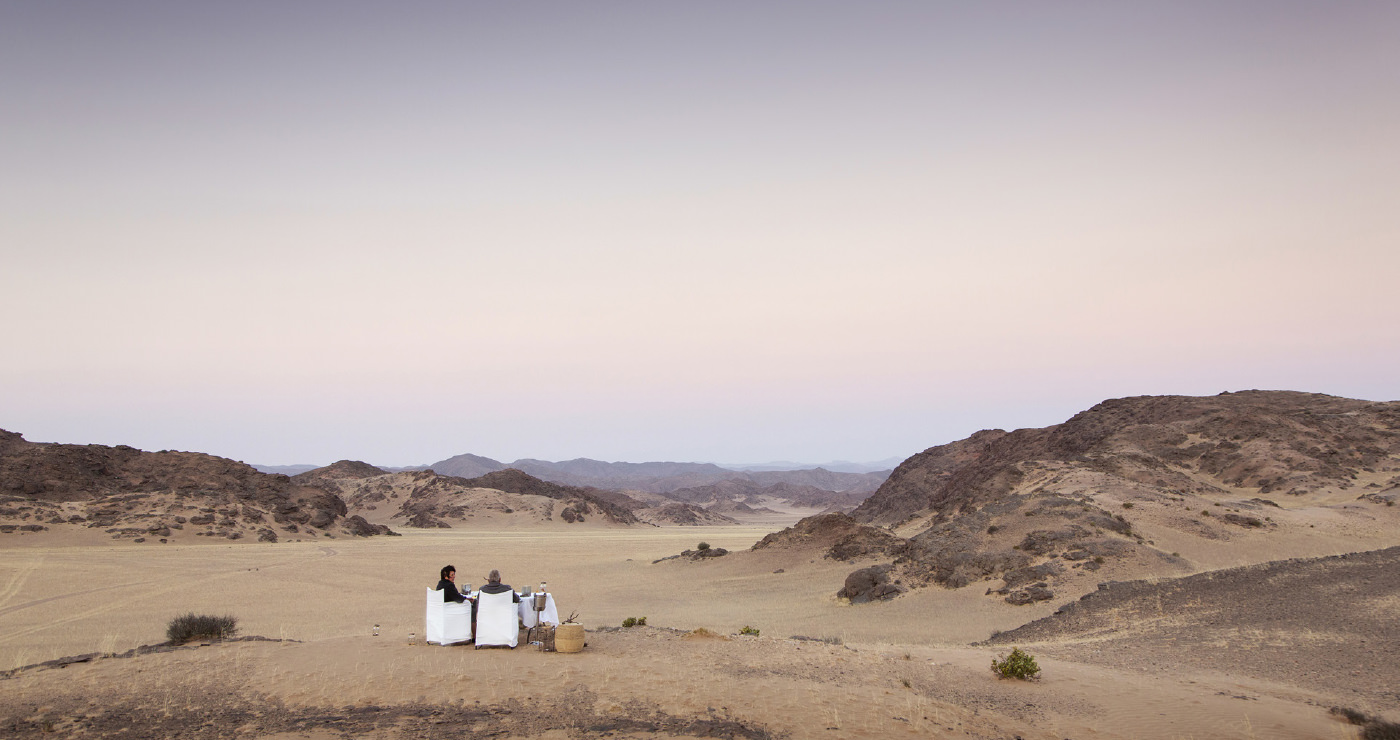
Deborah knows this landscape intimately. Having lived here with her family, she has travelled the length and breadth of Namibia by vehicle, on foot, and by air. Much of that time was spent in remote desert camps, working closely with camp teams, refining hospitality, and exploring how best to shape a guest’s experience of such a vast and elemental environment.
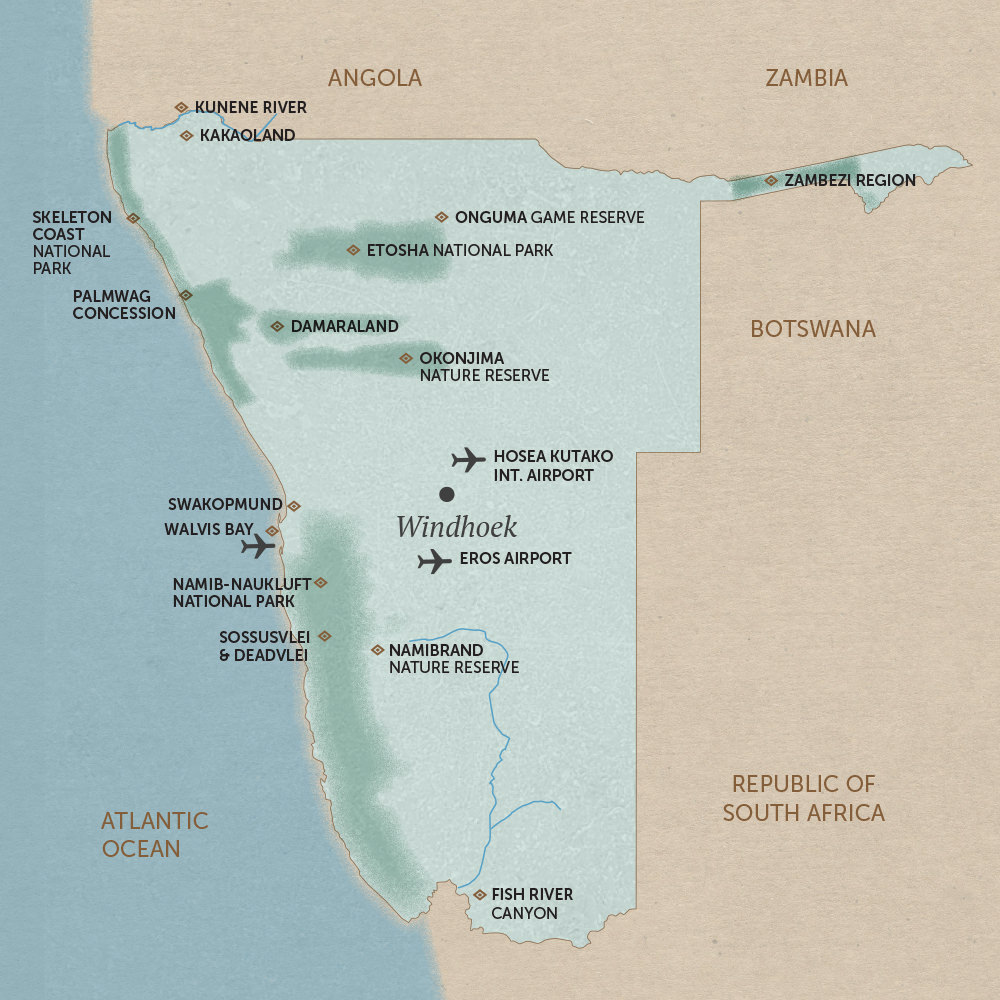
Most international travellers arrive via Windhoek, with connections through major regional hubs. Namibia is ideally explored by light aircraft and guided road transfers, allowing access to remote reserves and dramatic scenery. Self-drive journeys are also popular for experienced travellers, supported by well-maintained gravel roads and carefully chosen lodges along the way.
Every journey we create is shaped by first-hand knowledge of how Namibia unfolds in practice, not just on a map. Whether you are looking for a classic introduction to the country’s iconic landscapes or a slower journey through its more remote corners, Namibia offers remarkable possibilities.