


Gorongosa National Park
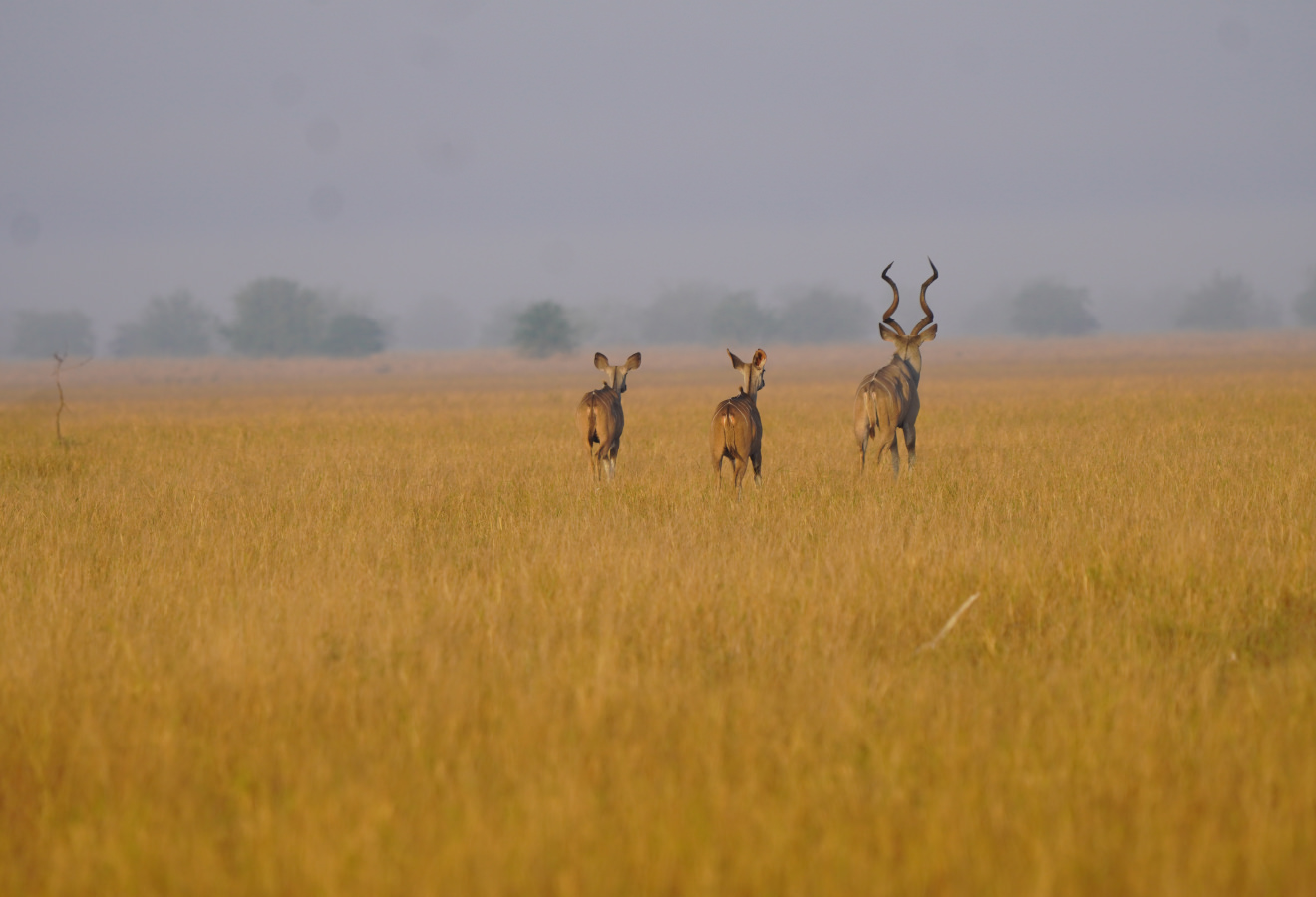
Gorongosa National Park is huge. And devoid of people but with a great number of waterbuck. It covers approximately 4,067 km² (1,570 square miles) in central Mozambique, with 6-8 major ecozones. So a constantly varied landscape with one of the lowest tourist densities of any game reserve in Africa made Gorongosa was a long-awaited bucket-list destination.
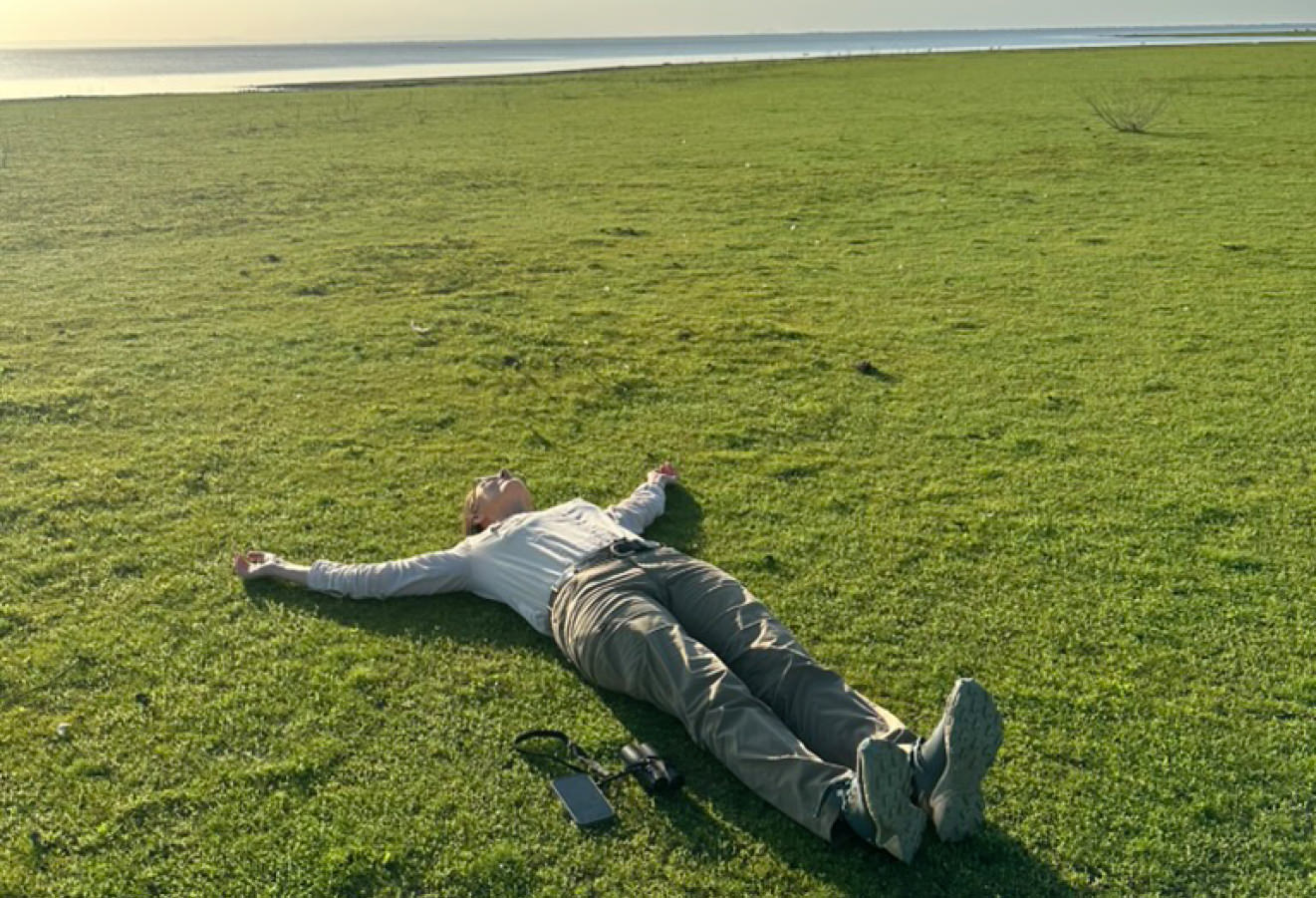
You quickly learn to expect something completely different at every turn of the day. Landscape, animals, birds, trees… it is constantly interesting. And that interest is then elevated by the most exceptional guides.
One of my greatest joys of working and travelling across Africa with Deb is the depth and breadth of her knowledge. She is not bolshy or arrogant about what she knows; it emerges in quiet conversation and in a confidence in identifying a bird so far away it could be in another country, or in some weird fact about a shongololo. There is always the inevitable moment when our guide stops the car, turns to look at her and says, “Who are you?”
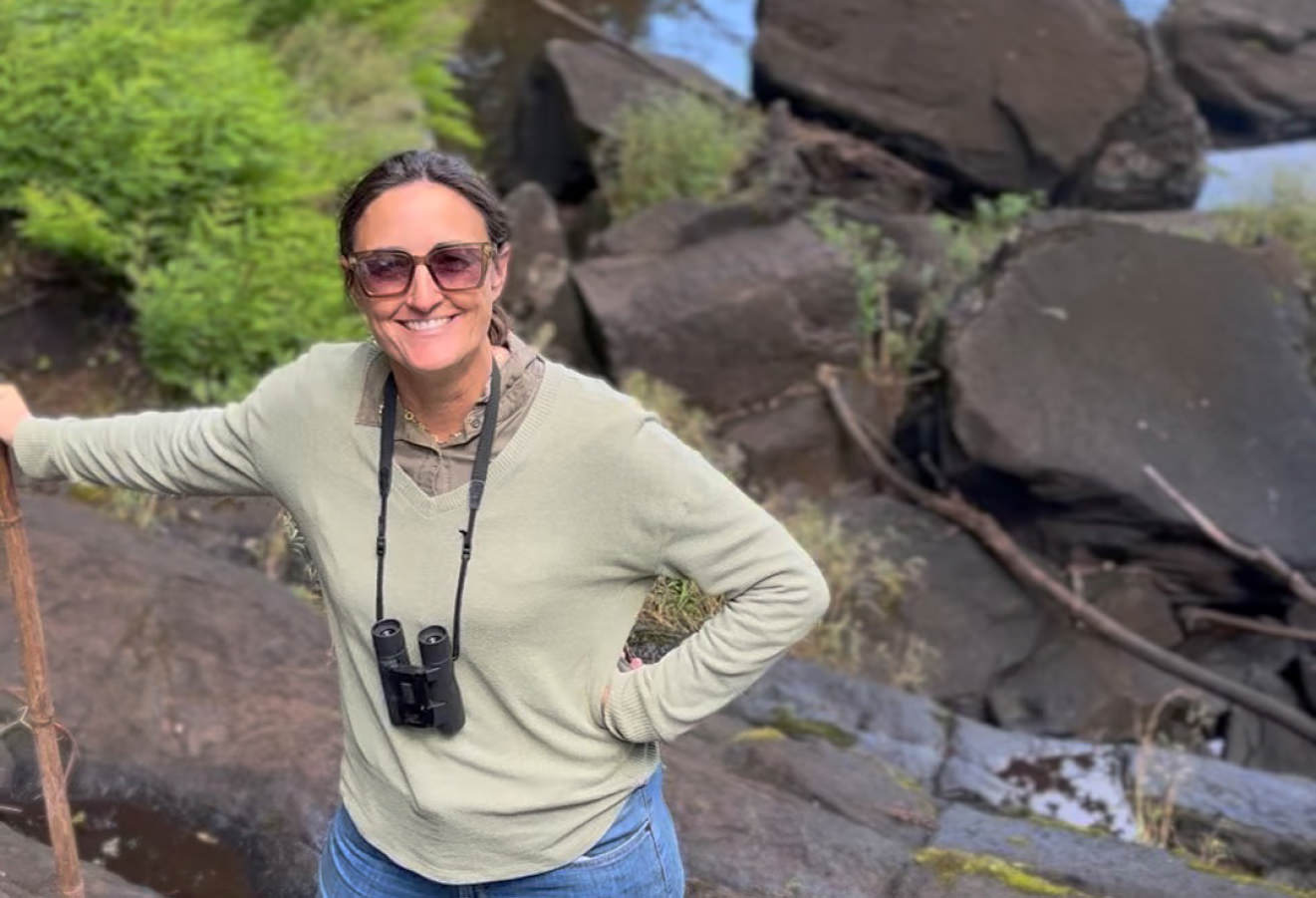
I am so used to travelling with someone who can compare landscapes, histories, birds, or animal behaviour from across Africa that it’s possible I take it for granted. But I was reminded of what a privilege it is when watching Deborah’s face as our guide in Gorongoso, Chris Belo, started pulling facts and observations from across the continent.
After a while, Deb leaned forward and asked, “Who are you?”
It turns out, Chris once worked with Deborah’s husband in Tanzania, training walking guides for Brandon. Excellence, it appears, begets excellence and this was guiding at its most excellent.
She is also sly, that sister of mine. Back home she said: “You can write about Gorongosa” (like she was doing me a favour) “focus on the highlights.”
Say what? She knows this is a Sisyphean task.
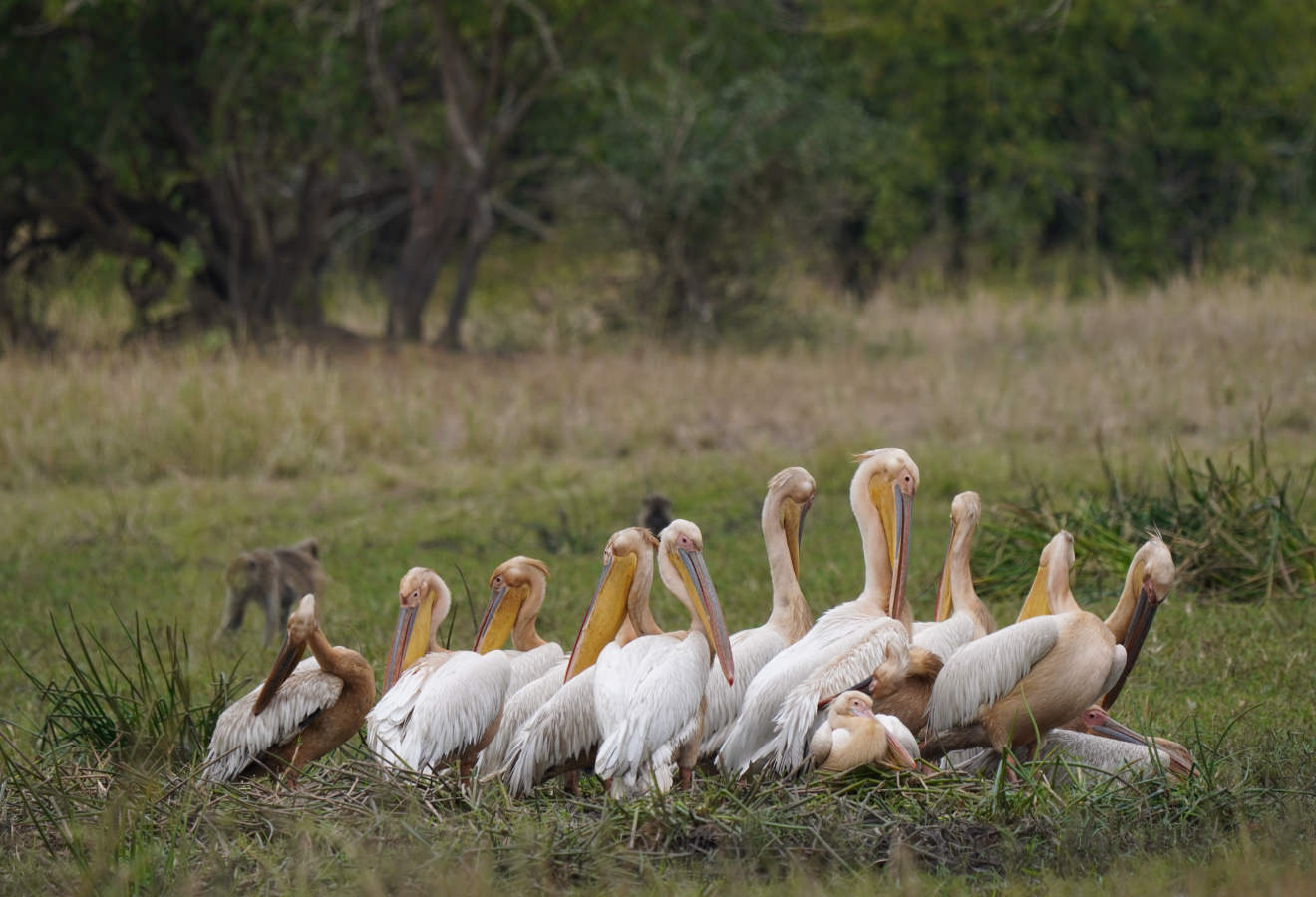
What did we take away from our time in Gorongosa with the wonderous Mr Belo and team at Muzimu Lodge? Most obviously, that 63,000 is a lot of waterbuck. A lot. There is the unmitigated joy of a pride of lions gambolling on the airstrip. That counting how many different mammals we could see at one waterhole was really difficult (they kept moving and new ones kept arriving). We gained a deeper appreciation of Fever Trees (genuinely!). We learned that bushpig families can be happy to wander in the open. That hundreds of pelicans in flight are graceful. But pelicans engaged in a feeding frenzy in a muddy pool with their awkward, overly large beaks, their bulging eyes, and their immense wings flapping as they squabble and squawk, look and sound like a bunch of tired toddlers fighting over M&Ms. That Borossa Palm trees are enormous. The expanse of short, dense grass of the flood plains would make the groundkeepers of Augusta National green with envy.
And we also learned that rewilding a trafficked and injured pangolin requires years of 24/7 care from the most dedicated of teams. It is physically, emotionally and intellectually challenging work. And done with a joy and earnestness that was truly inspiring.
We came away with a greater appreciation of just how much the landscape and communities have suffered through years of war, unrest and poaching. Most tellingly in the skittish elephant herds. It takes an exceptional group of guides and rangers to sensitively habituate them into trusting photographic safari vehicles. We left with a profound respect for all the individuals driving the park’s regeneration, whose unwavering commitment to putting the community first is shaping a future that benefits both people and wildlife
Particularly in this regard are the significant initiatives that support women and girls through education, leadership opportunities, and awareness programmes that promote equality, respect, and empowerment. These efforts are helping to create lasting social change, strengthening families and communities while opening doors for future generations.
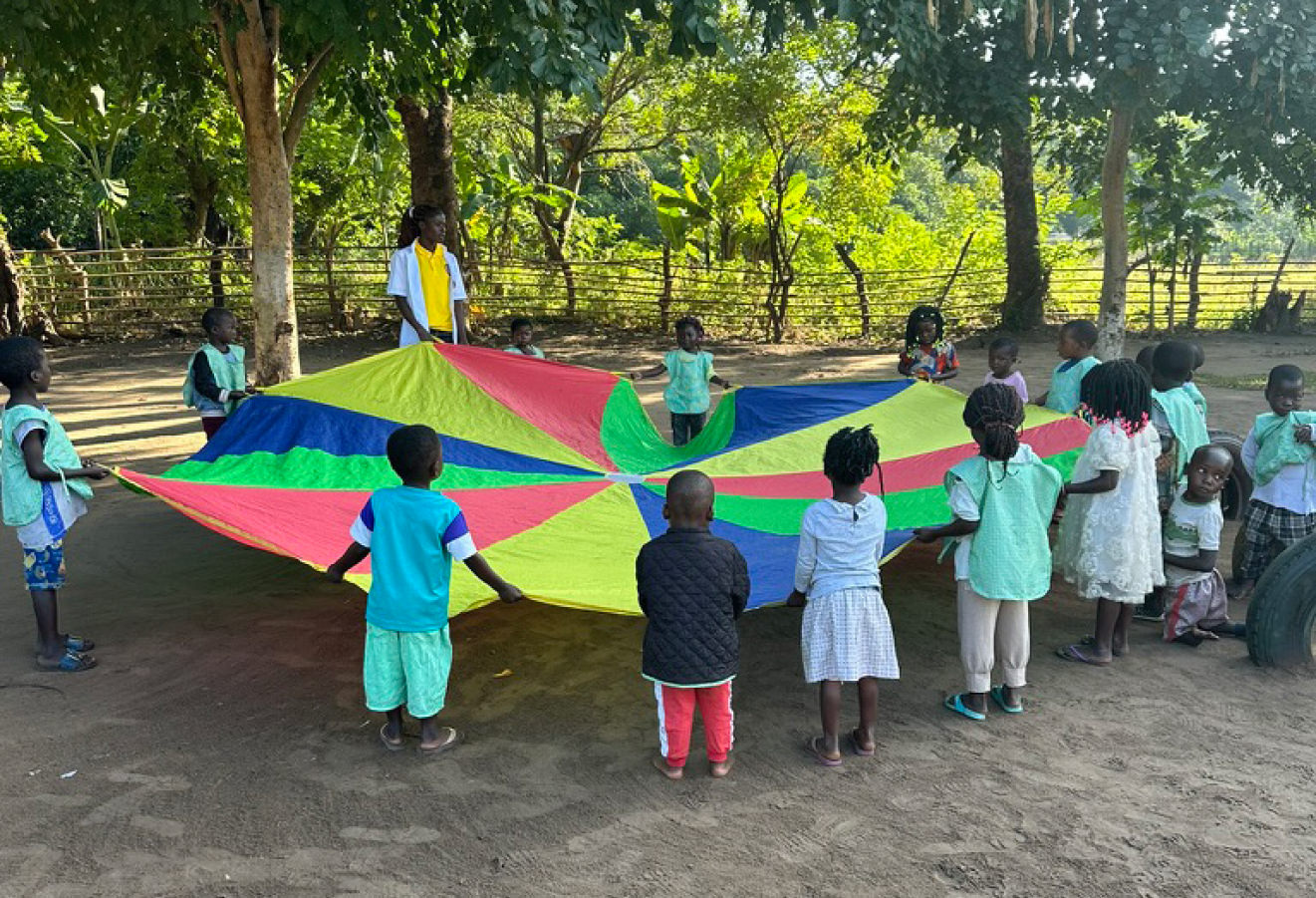
And you learn all this while joining in the singing and the dancing and the teasing and the laughter. Our photographs depict a little group of deeply contented travellers.
Today, Gorongosa stands as a powerful example of how conservation can restore not only landscapes and wildlife, but also hope, opportunity, and resilience for the people who call this region home. The mutual respect among colleagues at Gorongosa stems from a genuine sense that every person is dedicated to something meaningful. It was humbling to witness and a total joy to experience.
