


What Stayed With Me
We had been in Madagascar for less than 24 hours when we managed to lose our most expensive piece of equipment. Not gradually. Not after weeks of use. Not because of rough seas or an adventurous expedition. Day one. Gone.
We were anchored in a small, impossibly beautiful inlet on the northwest coast. The water was so clear it looked as though someone had forgotten to add the ocean. Beneath us, tiny silver fish flickered through the shallows. Above us, baobabs and green forest lined the shore, and from our paddleboards we could even spot lemurs moving through the trees.
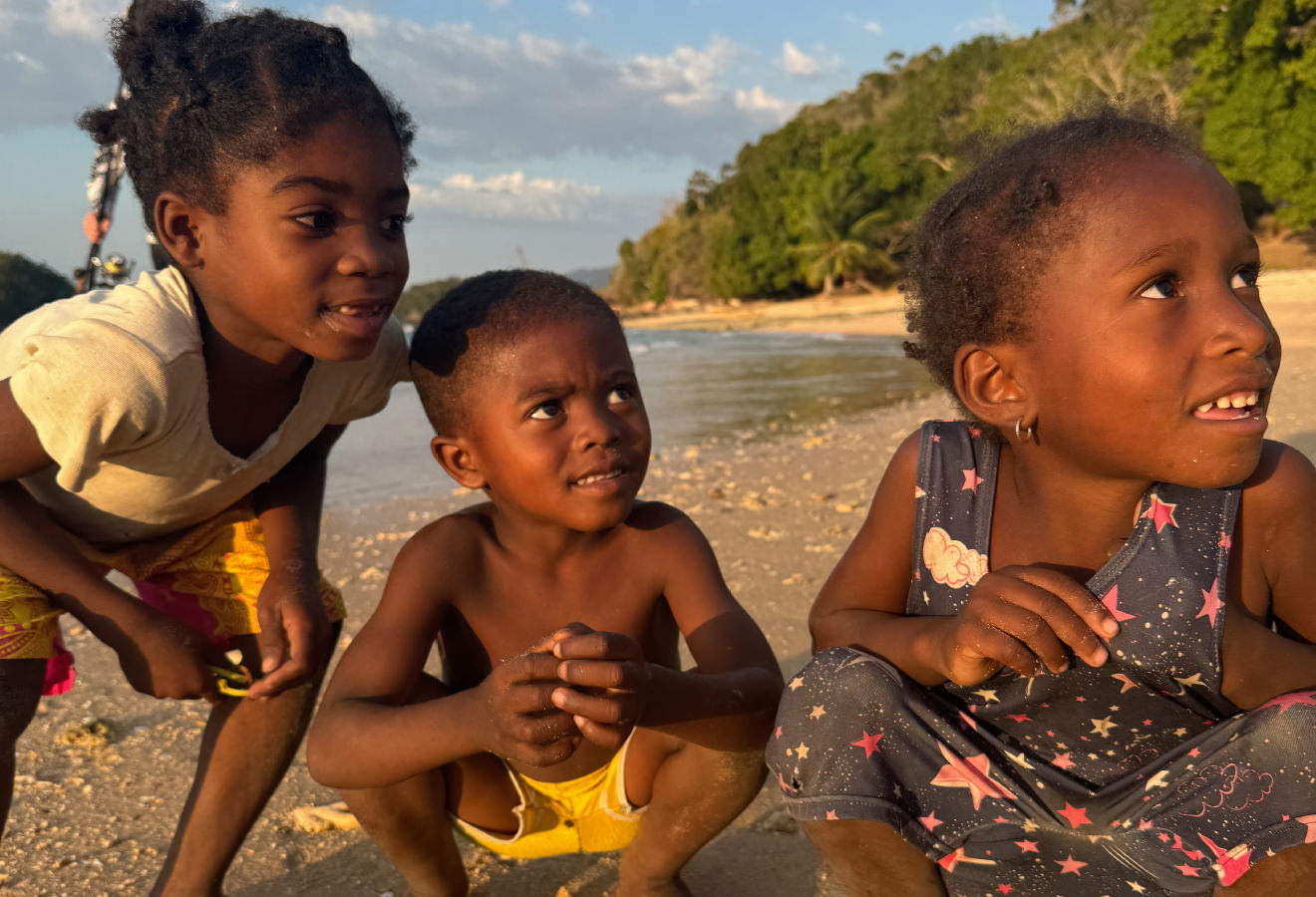
It was one of those rare places that makes you feel as though you’ve accidentally discovered a secret. Nearby was a tiny Malagasy village. Children waved enthusiastically from the shore, so naturally my daughter and I paddled over to investigate.
My daughter insisted on bringing our brand-new mask and snorkel. Why? I couldn’t tell you. At the time it seemed like excellent judgement. After all, the water was warm, inviting and full of life.
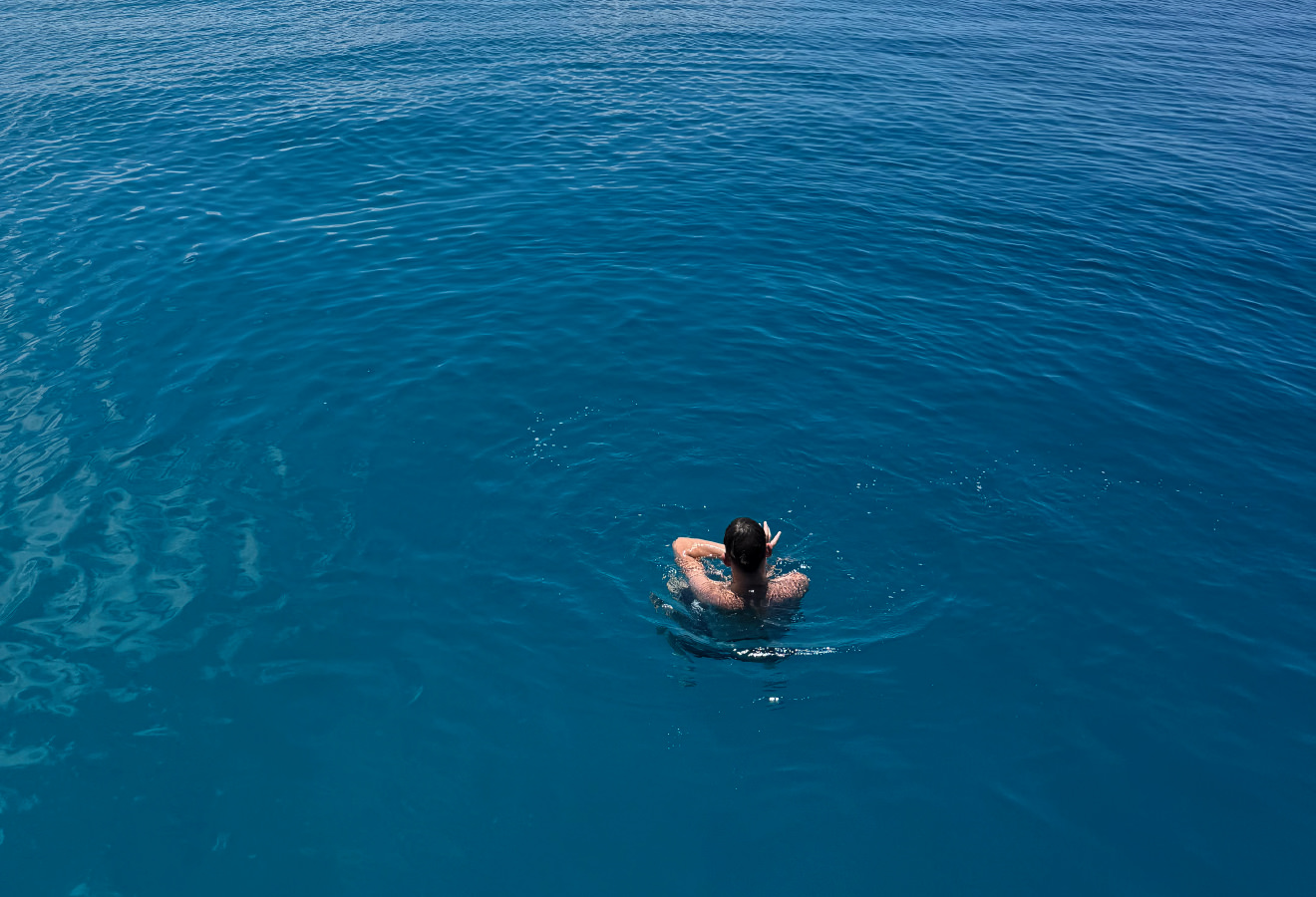
The afternoon unfolded exactly as travel dreams are supposed to. We paddled through crystal-clear water. We drifted over schools of tiny fish. We snorkelled. We laughed.
Onshore, we joined a game of football with the village children. There was dancing. There was much shouting. There was also a complete absence of self-consciousness, which is something children possess naturally and adults spend fortunes trying to recover.
Several joyful hours later, we returned to our boat, sun-kissed and triumphant.
As we pulled alongside, my daughter reached to hand me the mask and snorkel.
And then, in one perfectly executed movement, she dropped both.
We watched in silence as they sank through twenty feet of crystal-clear water.
Now, you’d think crystal-clear water would be helpful in this situation. It is not.
Crystal-clear water simply allows you to watch your expensive belongings disappear with exceptional clarity. Down they went. Past the little fish. Past the patches of coral.
Until they settled neatly on the seabed, where they remain, I suspect, serving as luxury accommodation for a family of hermit crabs.
There followed a brief period of optimism. Could we dive for them? No. Could someone swim down? Also no. Could we somehow hook them? Definitely no.
The ocean, it turns out, had made its decision. The lesson here should probably be something practical about securing equipment, using floating straps, or checking that everyone has a firm grip before boarding. And yes, those are all excellent ideas.
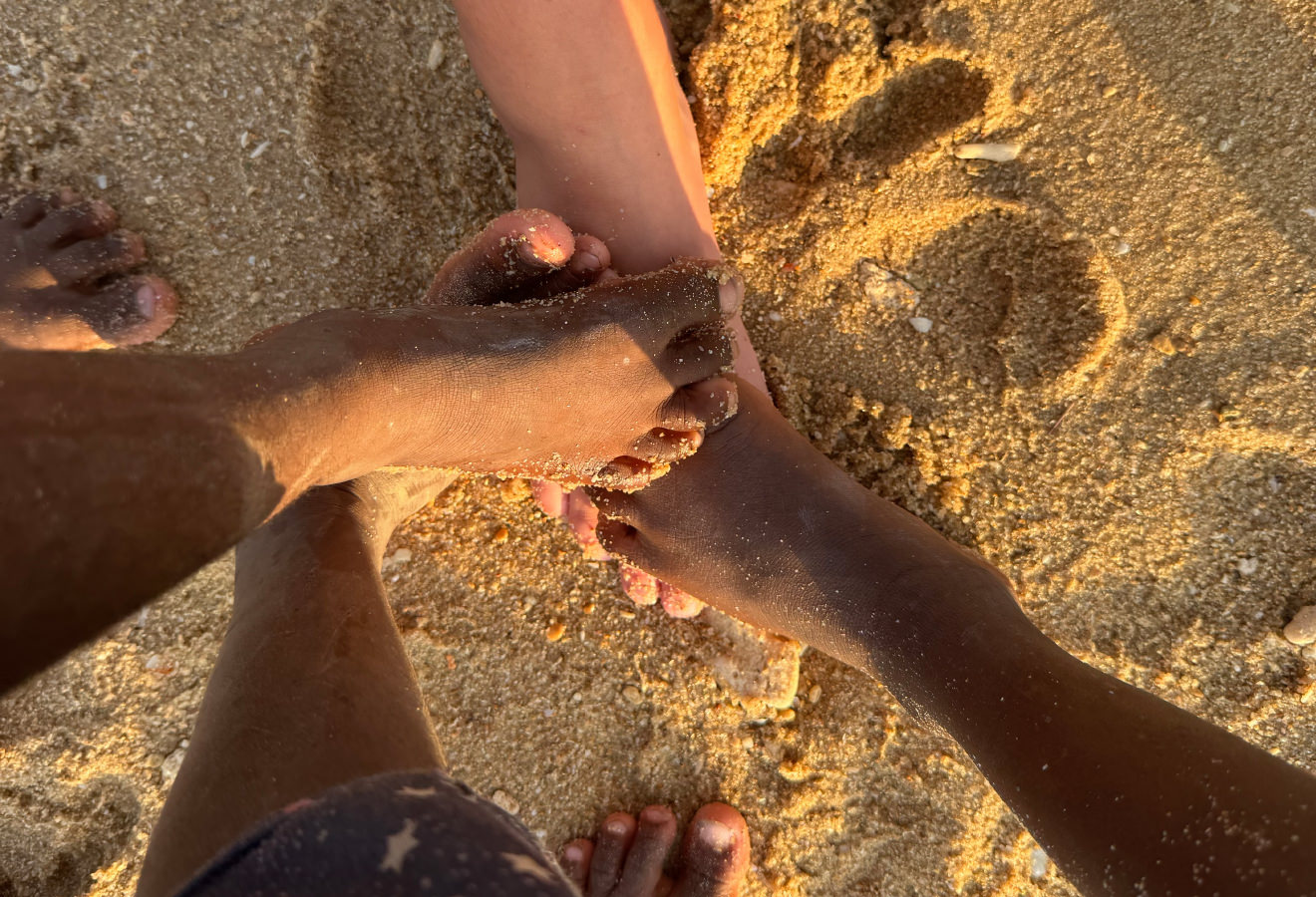
But what stayed with me wasn’t the lost snorkel. It was the afternoon. The time spent together, connecting. The lemurs in the trees. The warm water. The children’s laughter. The football match. The dancing.
The feeling of being welcomed into a place that few people will ever visit.
A year later, I remember every detail of that day. I don’t remember what the snorkel cost. Travel has a way of teaching us that the things we carry home are rarely the things we packed.
